

Technical Parameters and Transport System Process for Ammonium Nitrate
Ammonium nitrate (AN) is a widely used chemical compound in various industrial applications, including fertilizers, explosives, and chemical manufacturing. Understanding its technical parameters and the efficient design of transport systems is crucial for ensuring safe and effective handling. This article provides an overview of key technical parameters for ammonium nitrate and details the process of designing and implementing an effective transport system, with a focus on the expertise of Shandong HeadPowder Engineering Co., Ltd.
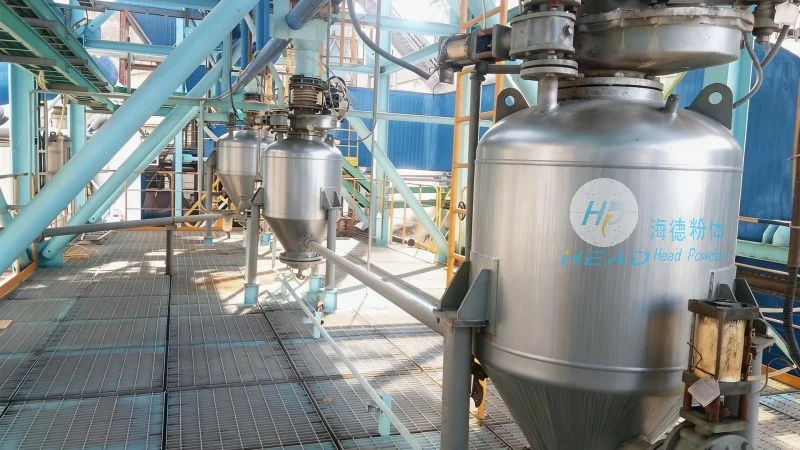
Key Technical Parameters of Ammonium Nitrate
Ammonium nitrate's technical specifications are critical for its safe storage, handling, and transportation. Several key parameters define its properties and behavior in industrial processes. First, the chemical composition is crucial, with a typical formula of NH₄NO₃, containing approximately 34% nitrogen by weight. This high nitrogen content makes it an effective fertilizer, but also contributes to its sensitivity to heat and impact. The particle size distribution is another critical parameter, as it affects flowability, dust generation, and the risk of caking. For industrial applications, the particle size is often optimized to balance flowability with the need to minimize dust exposure. Additionally, the moisture content is a key factor, as excess moisture can lead to caking and reduced storage stability. The density of ammonium nitrate is approximately 1.7 g/cm³, which influences the design of storage and transport equipment. Finally, the thermal properties, including its decomposition temperature and heat of decomposition, are critical for safety considerations during handling and transportation. These parameters are essential for engineers to consider when designing systems for handling ammonium nitrate.
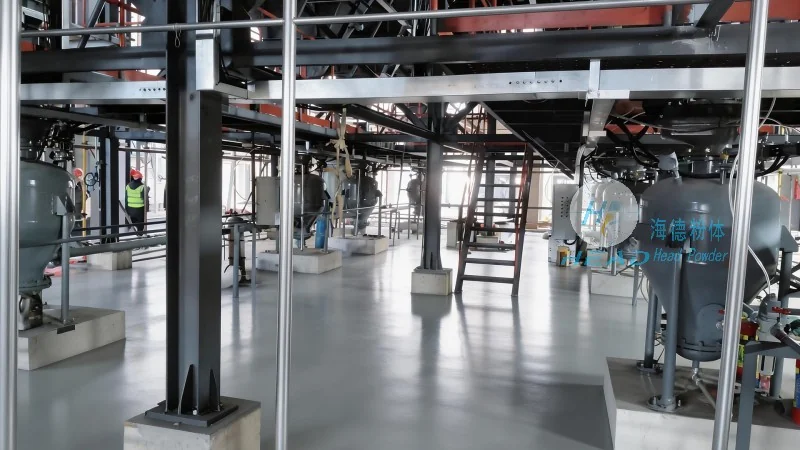
Design Principles for Ammonium Nitrate Transport Systems
The design of an ammonium nitrate transport system must adhere to strict safety and efficiency standards due to the compound's hazardous nature. The system typically includes several components, such as storage silos, conveying equipment, and transfer mechanisms. The storage silos are designed to maintain the material's stability, with features like anti-caking agents and temperature control systems to prevent caking and ensure consistent flow. Conveying equipment, such as screw conveyors or pneumatic systems, is selected based on the particle size and flow characteristics of the ammonium nitrate. Screw conveyors are commonly used for bulk handling due to their reliability and ability to handle a wide range of materials, while pneumatic systems are used for shorter distances or when dust control is a priority. Transfer mechanisms, such as rotary valves or feeders, are used to regulate the flow from storage to processing or transportation equipment. The system must also incorporate safety features, including explosion-proof designs, pressure relief valves, and monitoring systems to detect temperature or pressure changes. The design process involves careful consideration of the material's properties, the required throughput, and the operational environment. Engineers at Shandong HeadPowder Engineering Co., Ltd. utilize advanced computational fluid dynamics (CFD) and material flow analysis to optimize the system design, ensuring efficient and safe transport of ammonium nitrate.
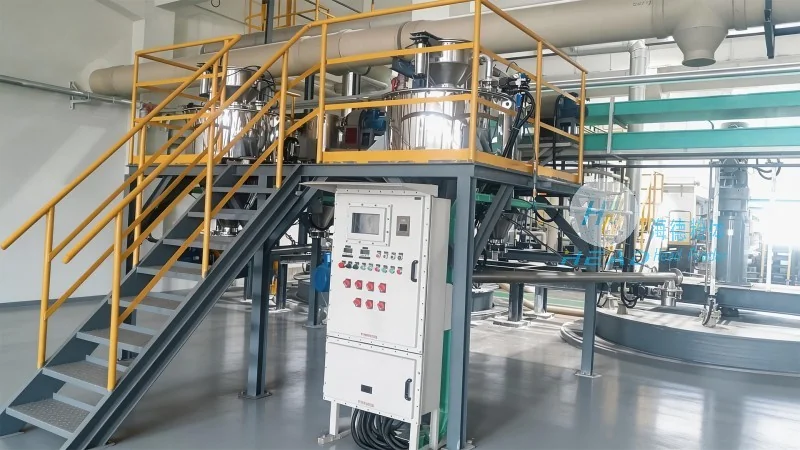
Implementation and Maintenance of Transport Systems
Once the transport system is designed, proper implementation and regular maintenance are essential to ensure long-term performance and safety. The installation process involves careful alignment of components, proper sealing to prevent leaks, and integration with existing industrial infrastructure. Training for operators is also critical, as they must understand the specific handling procedures for ammonium nitrate, including emergency response protocols. Regular maintenance includes inspections of equipment for wear and tear, cleaning of conveyors to prevent caking, and calibration of monitoring systems. Additionally, the system should be tested periodically for performance and safety, such as pressure testing of storage silos and flow rate verification. The expertise of Shandong HeadPowder Engineering Co., Ltd. extends to providing comprehensive support throughout the lifecycle of the transport system, from design and installation to maintenance and troubleshooting. This ensures that the system operates efficiently and safely, minimizing downtime and reducing the risk of accidents.
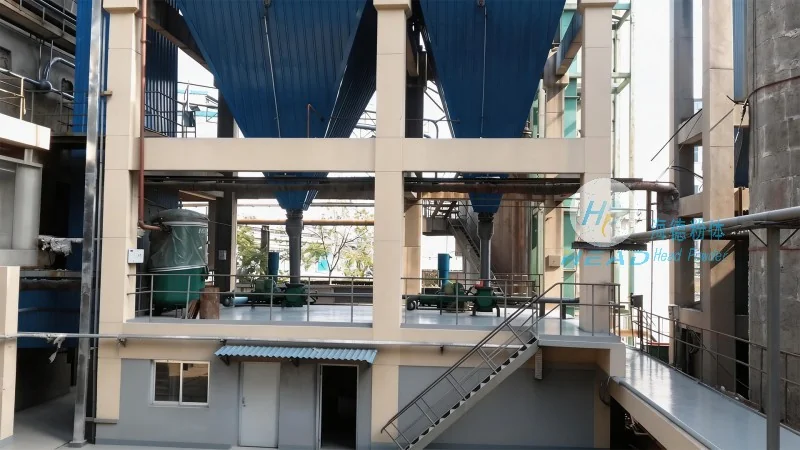
Conclusion
Understanding the technical parameters of ammonium nitrate and implementing an effective transport system is vital for industries that rely on this compound. The expertise of Shandong HeadPowder Engineering Co., Ltd. in designing and implementing such systems ensures that clients receive reliable, safe, and efficient solutions. By adhering to strict safety standards and leveraging advanced engineering techniques, the company provides comprehensive support for the handling and transportation of ammonium nitrate, meeting the needs of various industrial applications.