Automatic tonne bag material feeding and conveying equipment is a critical component in modern industrial material handling systems. This equipment is designed to efficiently and safely transfer bulk materials from large tonne bags into processing or storage facilities. The system typically integrates multiple functional modules, including bag opening mechanisms, material discharge systems, and conveyor technologies, to ensure smooth material flow and operational reliability.
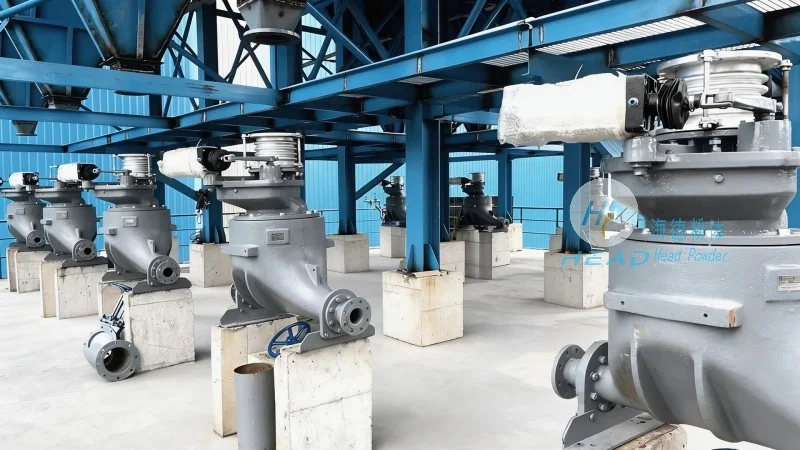
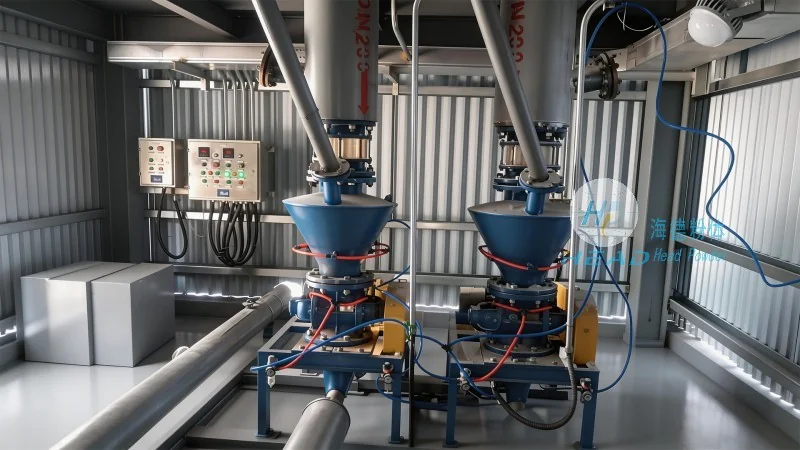
Company Overview
HeadPowder, a leading provider in the field, specializes in engineering solutions for material handling. With a strong presence in Shandong, China, the company has built a reputation for delivering high-quality, reliable equipment tailored to diverse industrial needs. Shandong HeadPowder Engineering Co., Ltd. focuses on innovation and precision, ensuring that each system meets stringent industry standards and client requirements.
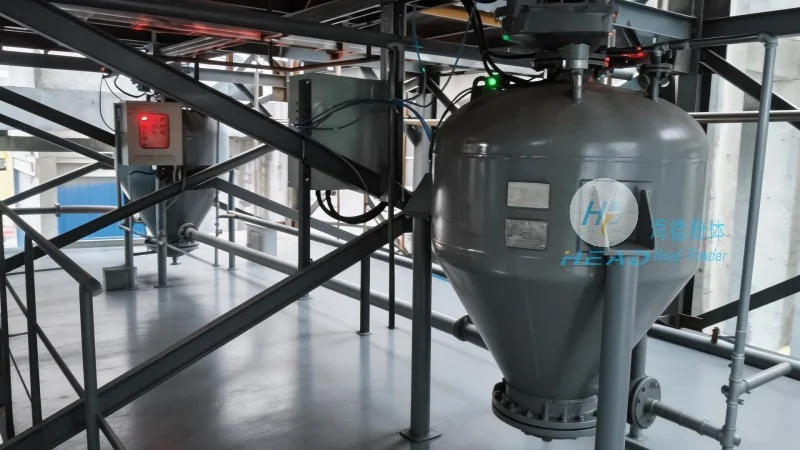
Principle of Operation
The core principle of automatic tonne bag feeding and conveying systems revolves around the seamless integration of mechanical and pneumatic components. The process begins with the positioning of a tonne bag onto a designated platform. A mechanical or pneumatic system then activates to open the bag, allowing the internal material to flow out. This material is subsequently directed into a hopper or conveyor system, which transports it to the next stage of processing. Key components include bag clamps, discharge valves, and conveyor belts or screw conveyors, each working in concert to maintain consistent material flow rates and prevent blockages. The bag opening mechanism is a critical element, often utilizing pneumatic actuators to control the release of the bag's top. This ensures controlled material discharge, preventing spillage and maintaining a clean working environment. The discharge valve, typically a rotary or sliding type, regulates the flow rate of the material from the bag into the hopper. This control is vital for preventing overloading of downstream equipment and ensuring consistent material delivery. The conveyor system, which may be a belt conveyor or a screw conveyor, is selected based on the material's properties—such as bulk density and flowability—to optimize performance. For materials with high moisture content or sticky characteristics, a screw conveyor with a helical design is preferred to minimize blockages and ensure smooth transport.
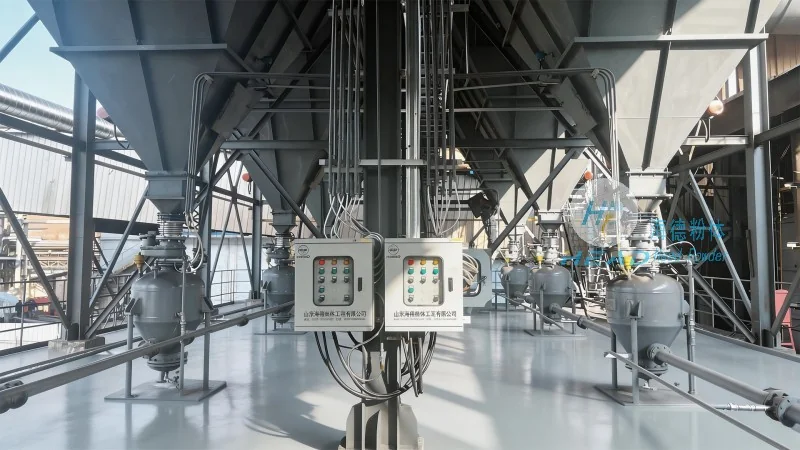
Working Scene Characteristics
The application scenarios for these systems are diverse and span various industries, including mining, construction, food processing, and chemical manufacturing. In mining operations, the equipment is used to handle raw ores and minerals, ensuring efficient transfer from storage to processing plants. In construction, it facilitates the handling of cement, aggregates, and other bulk building materials, supporting large-scale projects. The adaptability of the system allows it to operate in both indoor and outdoor environments, with options for weather-resistant components to withstand harsh conditions. Additionally, the equipment is designed for high throughput, capable of handling large volumes of material per hour, which is essential for maintaining production efficiency in high-demand industrial settings. In the food processing industry, the equipment is used to handle raw ingredients like grains and powders, adhering to strict hygiene standards. The components are often made from food-grade materials, and the system is designed to be easy to clean and maintain. This ensures compliance with regulatory requirements and maintains product quality. In the chemical industry, the equipment handles various powders and granules, with features such as explosion-proof designs to address safety concerns. The system's modular design allows for customization, enabling it to integrate with existing production lines without significant modifications.




