HeadPowder, a leading enterprise in the field of material handling technology, specializes in providing advanced solutions for pneumatic conveying systems, particularly for polyvinyl chloride (PVC) materials. Based in Shandong, China, the company has established itself as a reliable partner for industries seeking efficient and reliable methods to transport PVC powders and granules. This article delves into the working principle and key characteristics of PVC pneumatic conveying, offering insights into how such systems operate and their advantages in industrial applications.
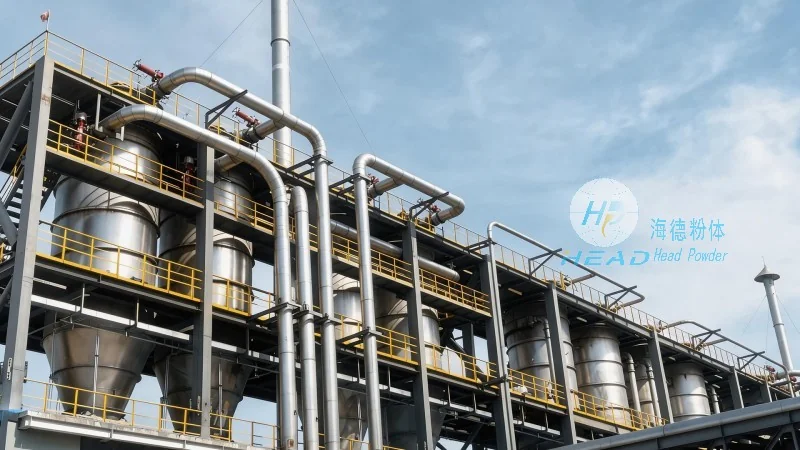
Understanding the Working Principle of PVC Pneumatic Conveying
PVC pneumatic conveying systems utilize air as the primary medium to transport PVC materials from one location to another. The core mechanism involves the creation of a pressure differential or vacuum to move the material through a pipeline. There are two main types of pneumatic conveying systems: pressure and vacuum. Pressure systems operate by blowing air into the conveying line under positive pressure, while vacuum systems create a negative pressure environment to draw the material into the pipeline.
In the context of PVC, the system typically consists of a hopper, a conveyor line, a control valve, and a receiver. The PVC material is fed into the hopper, where it is then drawn or pushed into the conveyor line by the air flow. The air velocity within the pipeline is crucial; it must be sufficient to keep the PVC particles suspended and prevent them from settling or clogging the line. The design of the system, including the size of the hopper, the diameter of the pipeline, and the air pressure, is tailored to the specific properties of PVC, such as its density, particle size, and moisture content. Proper air flow management ensures that the PVC particles are conveyed smoothly without degradation or loss of quality.
Key Characteristics of PVC Pneumatic Conveying Systems
Several distinct characteristics define PVC pneumatic conveying systems, making them suitable for various industrial applications. First, the system offers high efficiency in material transport, as it can move large volumes of PVC over long distances with minimal labor. The enclosed pipeline design also helps in maintaining the purity of the PVC material, preventing contamination from external sources. Additionally, pneumatic conveying systems are relatively compact and can be integrated into existing production lines, reducing the need for extensive infrastructure modifications.
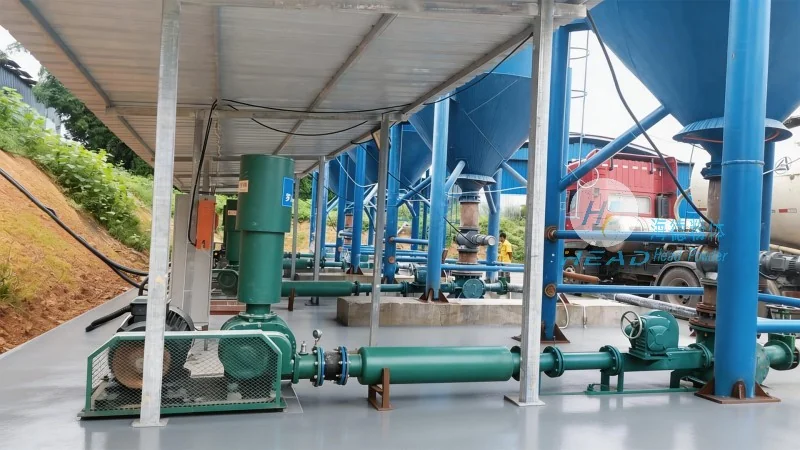
Another significant characteristic is the flexibility of the system. It can handle a wide range of PVC particle sizes, from fine powders to larger granules, without requiring significant adjustments to the conveying parameters. The system also allows for the integration of multiple conveying lines, enabling the simultaneous transport of different materials or the distribution of PVC to various destinations within a facility. This flexibility makes PVC pneumatic conveying a versatile solution for diverse industrial needs.
From a maintenance perspective, pneumatic conveying systems are generally low-maintenance compared to other material handling methods. The absence of moving parts in the conveying line reduces wear and tear, and the system can be easily cleaned and maintained to ensure consistent performance. However, the air compressor and control equipment require regular maintenance to ensure optimal operation and prevent breakdowns. Overall, the reliability and durability of PVC pneumatic conveying systems make them a cost-effective choice for long-term material handling in the PVC industry.
Applications and Benefits in Industrial Settings
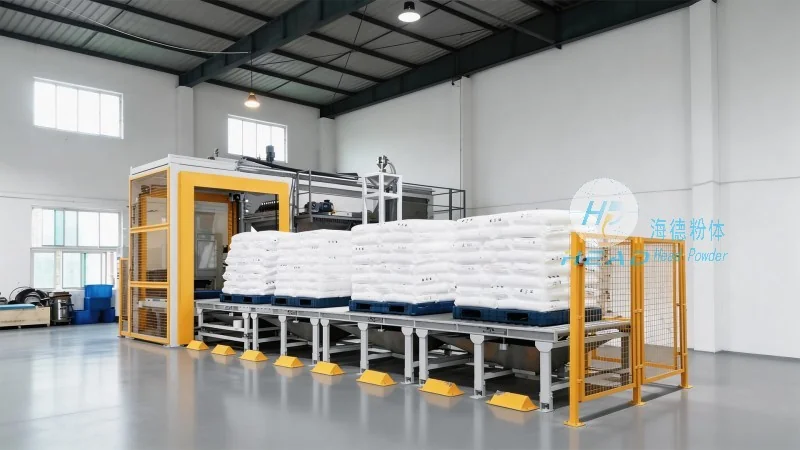
PVC pneumatic conveying systems find extensive applications in the manufacturing and processing of PVC products. In PVC production plants, these systems are used to transport raw PVC materials from storage to processing units, such as extruders or mixers. The efficient and clean transport of PVC ensures that the production process remains uninterrupted, leading to higher productivity and lower operational costs. Additionally, the ability to handle different PVC forms, including powders and granules, makes the system adaptable to various production stages, from raw material handling to finished product packaging.
The benefits of PVC pneumatic conveying extend beyond material transport efficiency. The enclosed system helps in controlling dust emissions, which is crucial for maintaining a safe and healthy working environment, especially in industries where PVC dust can be hazardous. By containing the material within the pipeline, the system reduces the risk of dust exposure and minimizes the need for additional dust control measures. This not only improves workplace safety but also complies with environmental regulations regarding dust emissions.
Furthermore, the system's ability to handle large volumes of PVC at high speeds contributes to increased production throughput. In industries where time is a critical factor, such as in the production of PVC pipes, sheets, or films, the rapid and reliable transport of raw materials ensures that production lines can operate at maximum capacity. The consistent flow of PVC material also helps in maintaining the quality of the final products, as it prevents variations in material composition that could arise from manual handling or other less efficient methods.




