HeadPowder, a leading provider of engineering solutions, specializes in the design and implementation of pneumatic conveying systems for fertilizer granules. Based in Shandong, China, the company leverages advanced technology and industry expertise to deliver efficient and reliable solutions for fertilizer handling. This article explores the fundamental working principles and key characteristics of such systems, offering insights into their efficiency and operational advantages.
Understanding the Working Principle of Pneumatic Conveying for Fertilizer Granules
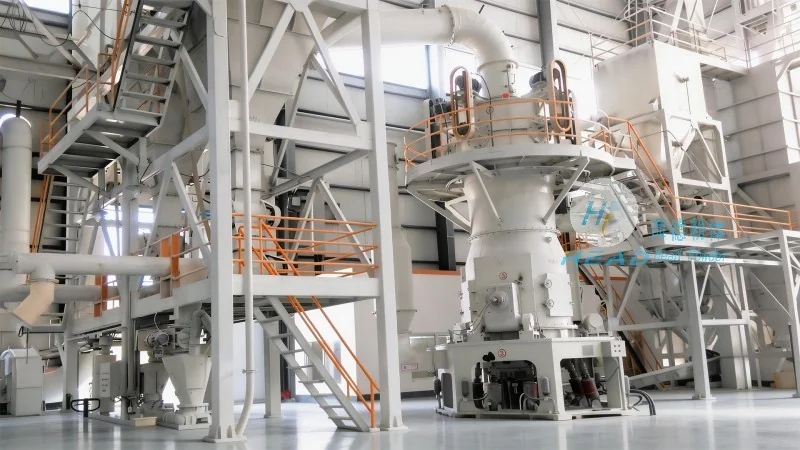
Pneumatic conveying systems for fertilizer granules operate by utilizing air or gas to transport bulk materials through a pipeline network. The process typically involves creating a pressure differential or vacuum to move the material from a source to a destination. There are two primary methods: suction (or vacuum) conveying and pressure conveying.
In suction conveying, a vacuum is created at the material inlet to draw the fertilizer granules into the pipeline. The system uses a fan or blower to maintain the vacuum, ensuring the material is transported efficiently. This method is ideal for applications where the material needs to be moved from a lower elevation or over relatively short distances. The suction system can handle a wide range of granule sizes and densities, making it versatile for various fertilizer types.
Pressure conveying, on the other hand, involves blowing air or gas under pressure into the pipeline at the material discharge point. The pressure forces the granules forward through the system. This method is suitable for longer distances and higher elevations, as it can maintain a consistent flow rate and pressure. Pressure conveying systems often use positive displacement blowers or rotary lobe blowers to generate the necessary pressure, ensuring reliable material transport.
Key Characteristics of Pneumatic Conveying Systems for Fertilizer Granules
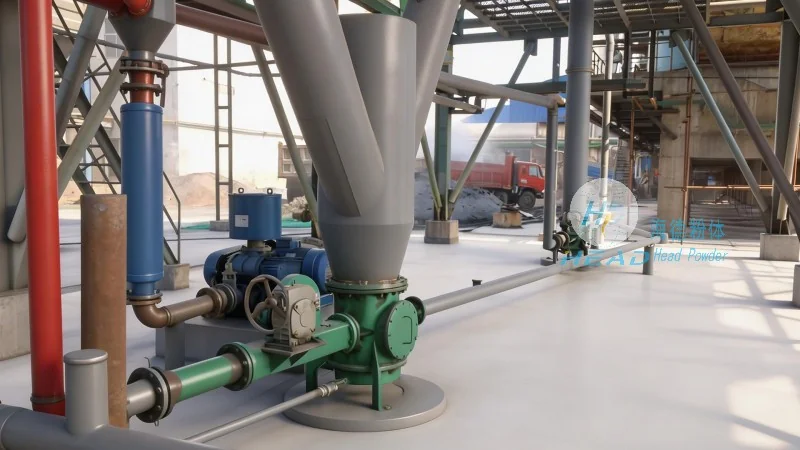
The characteristics of pneumatic conveying systems for fertilizer granules are designed to enhance operational efficiency and safety. One of the most significant advantages is the ability to handle abrasive materials without causing excessive wear on the system components. The enclosed pipeline design prevents dust emissions, contributing to a cleaner and more environmentally friendly operation.
Another key characteristic is the system's flexibility in handling different fertilizer types, including nitrogen, phosphorus, and potassium (NPK) blends, as well as other specialty fertilizers. The ability to adjust the air flow rate and pressure allows for precise control over the conveying process, minimizing material degradation and ensuring consistent product quality.
Efficiency is a critical characteristic, as pneumatic conveying systems can achieve high throughput rates with minimal energy consumption compared to traditional methods like belt conveyors or bucket elevators. The reduced need for manual handling and the elimination of material spillage further enhance operational efficiency and cost-effectiveness.
Operational Advantages and Applications
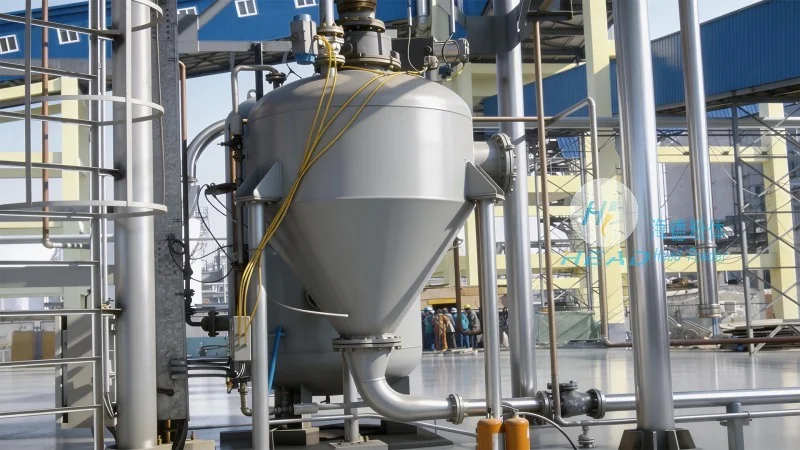
Pneumatic conveying systems offer several operational advantages that make them ideal for fertilizer processing and distribution. The enclosed system design minimizes dust exposure for operators, improving workplace safety and compliance with environmental regulations. Additionally, the system's ability to transport materials over long distances without the need for intermediate storage points reduces the overall footprint of the facility.
Applications of pneumatic conveying for fertilizer granules include material transfer from storage silos to processing units, transportation between production lines, and delivery to packaging or loading areas. The system's adaptability allows it to integrate seamlessly with existing infrastructure, making it a cost-effective solution for upgrading or expanding fertilizer handling capabilities.
Conclusion
HeadPowder's expertise in pneumatic conveying systems for fertilizer granules highlights the importance of understanding both the working principles and characteristics of such technology. By leveraging the efficiency and flexibility of these systems, fertilizer manufacturers can enhance their operational performance, improve product quality, and ensure compliance with environmental standards. The combination of advanced engineering and practical application makes pneumatic conveying an essential component of modern fertilizer handling processes.




