

[WTTLE]Working Principle and Characteristics of Carbon Fiber Pneumatic Conveying
HeadPowder, a leading provider in the field of material handling solutions, specializes in advanced carbon fiber pneumatic conveying systems. This technology represents a significant advancement in how fine and abrasive materials, such as carbon fiber powders, are transported efficiently and safely. Understanding the working principle and key characteristics of this system is crucial for industries that rely on precise and reliable material transport. This article delves into the mechanics behind carbon fiber pneumatic conveying, highlighting its operational efficiency and unique advantages.
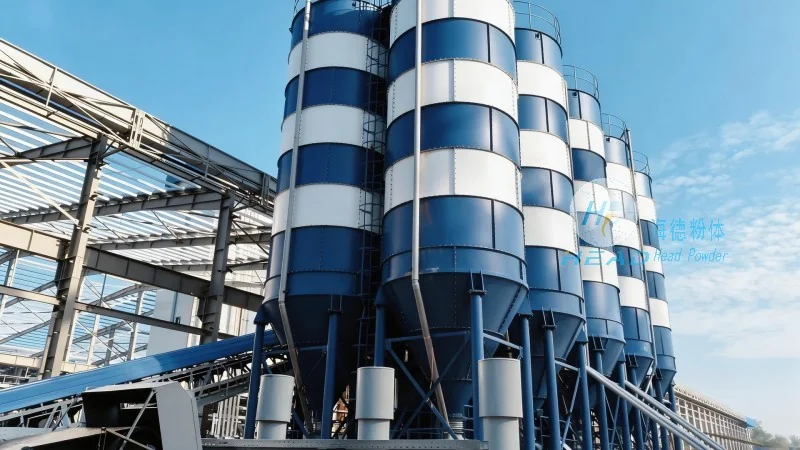
Working Principle of Carbon Fiber Pneumatic Conveying
Carbon fiber pneumatic conveying operates on the principle of air pressure to move materials through a pipeline. The system typically consists of a hopper, a rotary airlock feeder, a venturi or pressure drop device, and a receiver. The process begins when carbon fiber particles are fed into the hopper. A rotary airlock feeder then controls the flow of the material into the conveying line, preventing backflow and ensuring a consistent feed rate. Simultaneously, a fan or blower generates a high-velocity airflow that travels through the pipeline. As the carbon fiber particles enter the venturi or pressure drop section, the air velocity increases, creating a vacuum that draws the particles into the air stream. This mixture of air and particles is then propelled through the pipeline to the receiver, where the material is deposited. The system uses differential pressure and air velocity to achieve efficient transport, minimizing the need for mechanical components that could cause wear or contamination.
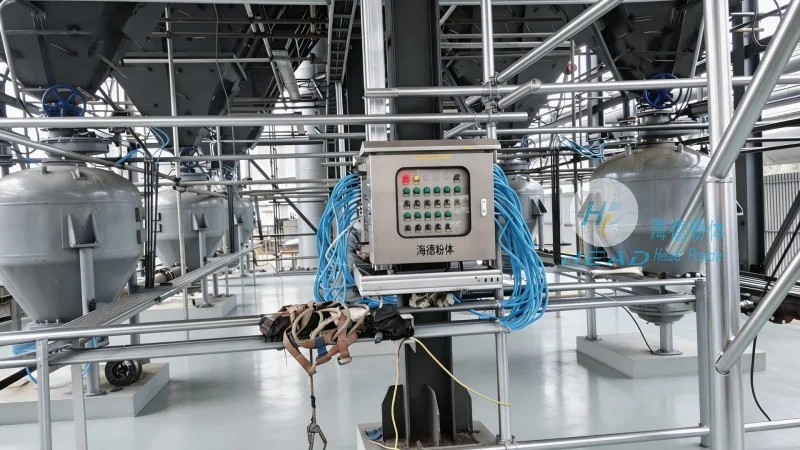
Key Characteristics of Carbon Fiber Pneumatic Conveying Systems
Carbon fiber pneumatic conveying systems offer several distinct characteristics that make them ideal for handling carbon fiber materials. First, the system provides a dust-free and enclosed transport environment, which is critical for maintaining the purity and quality of carbon fiber powders. Unlike traditional bulk handling methods, this technology prevents contamination from external sources and reduces the risk of particle degradation. Second, the system is highly efficient in terms of energy consumption and material throughput. The use of high-velocity air allows for the rapid transport of large volumes of carbon fiber, reducing downtime and increasing production rates. Third, the system is versatile and can handle a wide range of particle sizes and densities. It is particularly effective for fine powders and abrasive materials, which are often challenging to transport using other methods. Additionally, the system is compact and can be integrated into existing production lines with minimal modifications, making it a cost-effective solution for many applications.
Advantages and Applications in Industrial Settings
The advantages of carbon fiber pneumatic conveying extend to various industrial applications where carbon fiber materials are used. In the aerospace industry, for example, carbon fiber is used to manufacture lightweight yet strong components. The ability to transport carbon fiber powders efficiently and safely is essential for the production of these components. Similarly, in the automotive industry, carbon fiber is used to create high-performance parts, and the conveying system ensures that the material is delivered to the manufacturing line without loss or contamination. Other applications include the production of sports equipment, such as bicycle frames and tennis rackets, where the quality and consistency of the carbon fiber material are paramount. The system's ability to maintain the integrity of the material throughout the transport process makes it a preferred choice for these industries.
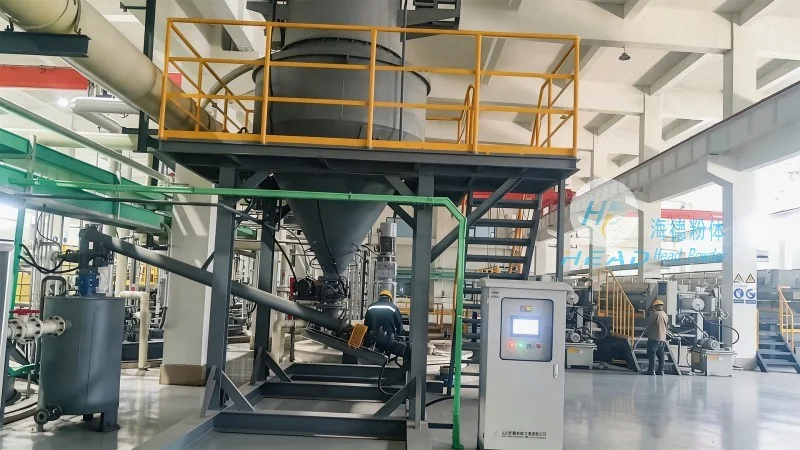
Conclusion and Company Information
Carbon fiber pneumatic conveying is a sophisticated and efficient method for transporting carbon fiber materials. Its working principle, based on air pressure and velocity, ensures reliable and safe transport, while its key characteristics, such as dust-free operation and high throughput, make it a superior choice for industries that demand precision and quality. HeadPowder Engineering Co., Ltd., based in Shandong, China, is a trusted provider of these advanced systems, offering customized solutions tailored to the specific needs of each client. By leveraging the latest technology and expertise, HeadPowder helps industries optimize their material handling processes and improve overall productivity. The company's commitment to quality and innovation ensures that clients receive systems that meet the highest standards of performance and reliability.