

Operation Process and Working Principle of Cement Powder Material Pneumatic Conveying
At Shandong HeadPowder Engineering Co., Ltd., we specialize in the design, manufacturing, and implementation of advanced pneumatic conveying systems tailored for the efficient handling of cement powder materials. This technology is crucial for industries that require reliable, dust-free, and energy-efficient material transport solutions. Our systems are engineered to meet the stringent demands of modern cement production and processing, ensuring optimal performance and minimal operational disruptions.
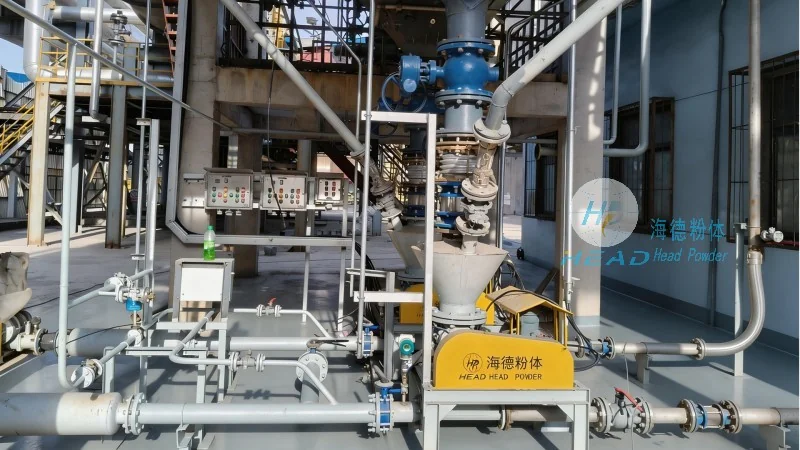
Working Principle of Pneumatic Conveying Systems
The core of a pneumatic conveying system for cement powder materials involves the use of compressed air or gas to transport dry bulk materials through a pipeline network. The process typically begins with the material being fed into a hopper or feeder, where it is then introduced into the conveying line. Compressed air, generated by a blower or compressor, creates a pressure differential that propels the material forward. The system can operate in either positive pressure (where air is forced through the material) or negative pressure (where air is drawn through the material), depending on the specific application and material characteristics. Key components include the feeder, the conveying line, the air source, and the discharge equipment. The air flow rate and pressure are carefully controlled to ensure consistent material transport without causing degradation or segregation of the cement powder.
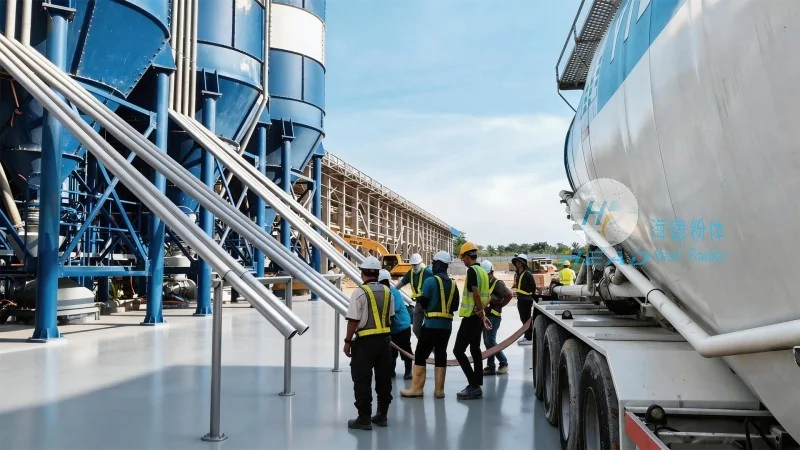
Operation Process of Cement Powder Pneumatic Conveying
The operation of a cement powder pneumatic conveying system follows a systematic sequence to ensure smooth and continuous material transport. Initially, the cement powder is stored in a silo or bulk storage container. A feeder, such as a rotary valve or screw feeder, regulates the flow of material from the storage into the conveying line. The compressed air system then supplies the necessary pressure to move the material through the pipeline. As the material travels, it may pass through various components like bends, filters, or separation devices to maintain the quality and integrity of the cement powder. The discharge end of the system delivers the material to the intended destination, such as a silo, storage tank, or processing unit. The entire process is monitored and controlled by a programmable logic controller (PLC) or a dedicated control system, which adjusts parameters like air pressure, flow rate, and feeder speed based on real-time conditions. This automation ensures that the system operates efficiently, minimizing downtime and maximizing throughput.
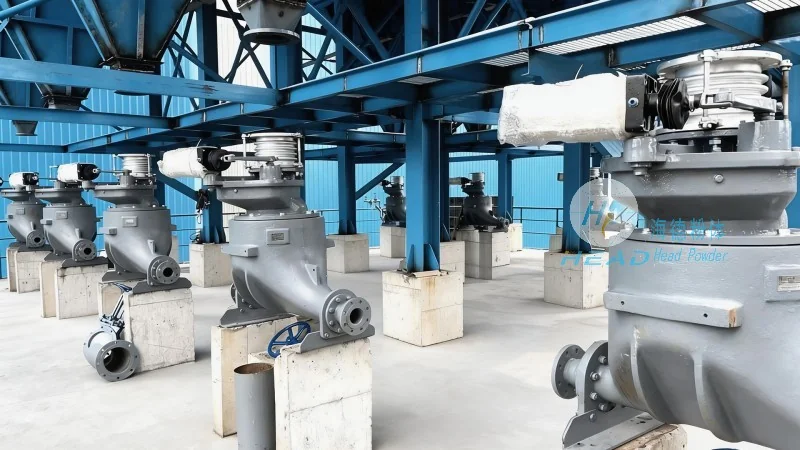
Advantages of Pneumatic Conveying for Cement Powder Handling
Pneumatic conveying systems offer several advantages over traditional methods like belt conveyors or bucket elevators for transporting cement powder. One of the primary benefits is the ability to handle the material in a dust-free environment, which is critical for maintaining product quality and ensuring workplace safety. Unlike mechanical systems that can cause material degradation through friction or impact, pneumatic conveying minimizes such risks, preserving the integrity of the cement powder. Additionally, these systems are highly flexible, allowing for easy integration into existing production lines and the ability to transport materials over long distances with minimal energy consumption. The modular design of our systems also enables scalability, meaning clients can start with a basic setup and expand as their needs grow. Another key advantage is the reduced need for maintenance, as there are fewer moving parts compared to mechanical conveyors, leading to lower operational costs and increased reliability.
Key Components and Their Roles in Cement Powder Pneumatic Conveying
The effectiveness of a cement powder pneumatic conveying system relies on the proper functioning of several key components. The feeder is the first critical component, responsible for controlling the flow rate of the material from the storage hopper into the conveying line. A well-designed feeder ensures a consistent and controlled feed, preventing surges or blockages that could disrupt the entire system. The conveying line, typically made of stainless steel or other corrosion-resistant materials, is designed to withstand the abrasive nature of cement powder and the effects of compressed air. The air source, which can be a rotary lobe blower or a centrifugal compressor, provides the necessary pressure and flow rate to move the material. The blower is often preferred for its efficiency and ability to handle large volumes of air at relatively low pressure. The control system, which includes sensors and a PLC, monitors various parameters such as pressure, flow rate, and material level, and adjusts the system settings in real-time to maintain optimal performance. The discharge equipment, such as a rotary valve or a venturi separator, ensures that the material is discharged cleanly and without air leakage, preventing contamination and maintaining the quality of the cement powder.
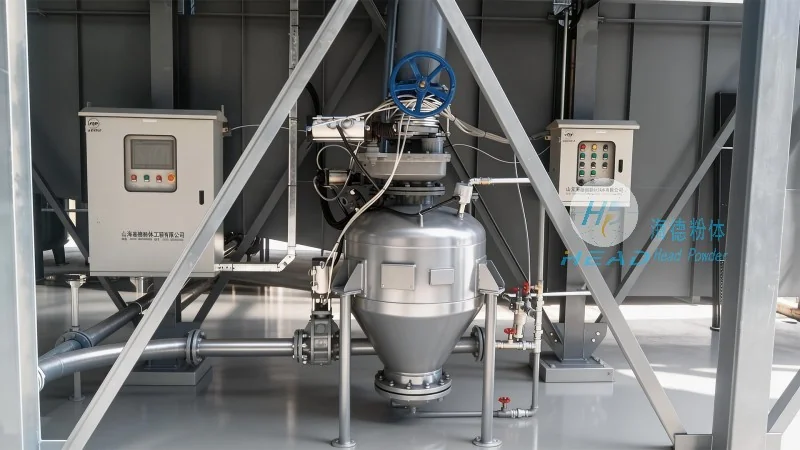
About Shandong HeadPowder Engineering Co., Ltd.
HeadPowder, the abbreviation for Shandong HeadPowder Engineering Co., Ltd., is a leading provider of pneumatic conveying solutions for the cement industry. With a strong presence in China, particularly in Shandong province, our company has established itself as a trusted partner for businesses seeking reliable and high-performance material handling systems. Our headquarters and main operational base are located in Shandong, China, where we leverage local expertise and resources to deliver customized solutions that meet the unique needs of our clients. We are committed to innovation, quality, and customer satisfaction, ensuring that our products and services contribute to the efficiency and sustainability of cement production processes.