

Operation Process and Working Principle of Catalyst Material Pneumatic Conveying
Catalyst material pneumatic conveying is a critical process in industrial applications, particularly in the chemical and petrochemical sectors. This method efficiently transports catalyst powders and granules from one location to another using a pressurized air or gas stream. Understanding the operation process and working principle is essential for optimizing performance, ensuring safety, and maintaining the quality of the conveyed materials. This article provides a detailed overview of the pneumatic conveying system for catalyst materials, highlighting the key steps, technical aspects, and the role of specialized engineering companies like Shandong HeadPowder Engineering Co., Ltd.
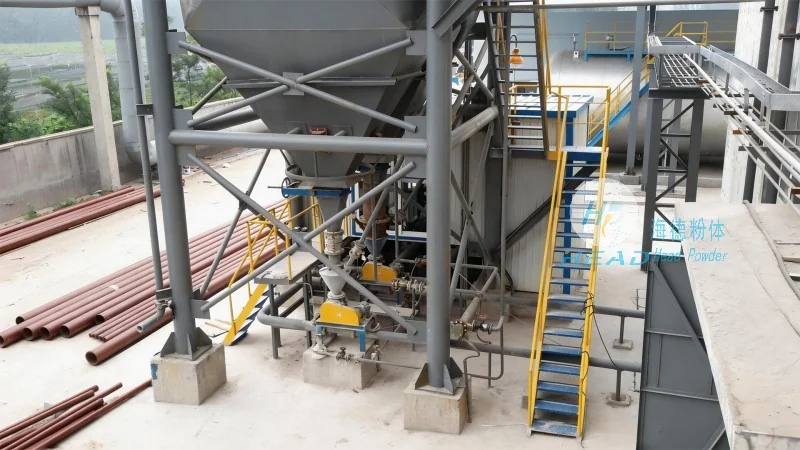
Introduction to Pneumatic Conveying Systems for Catalyst Materials
Pneumatic conveying systems are widely used in the handling of catalyst materials due to their ability to transport powders and granules with minimal product degradation. Unlike mechanical conveying methods, which may cause attrition or contamination, pneumatic systems offer a more gentle and controlled approach. The process involves creating a pressure differential between the source and destination, allowing the material to be carried by the air stream. This technology is particularly valuable in processes where catalysts are sensitive to moisture, temperature, or physical damage during transport.
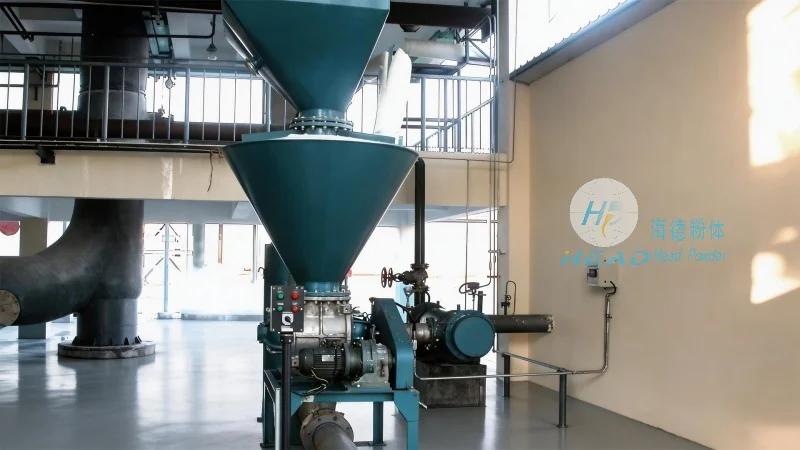
The Operational Process of Pneumatic Conveying
The operation of a catalyst material pneumatic conveying system typically involves several sequential steps. First, the catalyst material is fed into a hopper or feeder, where it is prepared for transport. The material is then introduced into a pipeline through a feed device, such as a rotary valve or a star feeder. Simultaneously, a high-pressure air or gas stream is generated by a blower or compressor. This pressurized air creates a flow that lifts and transports the catalyst particles through the pipeline. The system may include intermediate vessels or cyclones to separate the material from the air stream at the destination. Finally, the catalyst is discharged into the receiving container or process unit. The entire process is controlled by a system of valves, sensors, and control panels to ensure smooth and efficient operation.
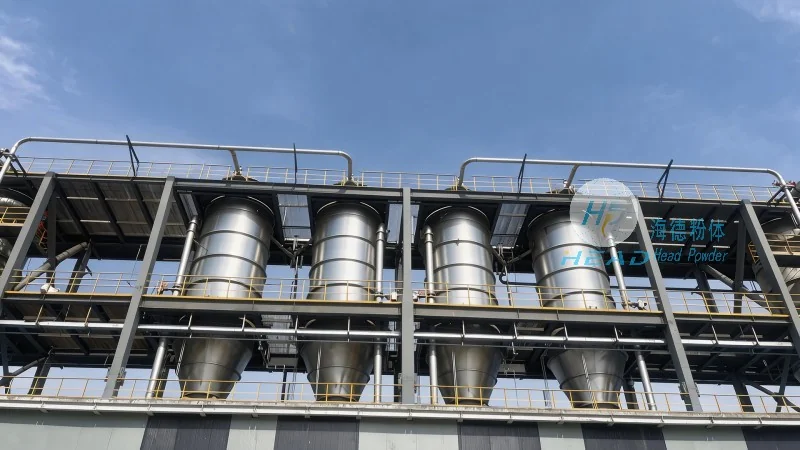
Working Principle of Pneumatic Conveying Systems
The core working principle of pneumatic conveying relies on the interaction between the material particles and the air stream. When the air is introduced into the conveying line at a sufficient velocity, it creates a drag force that overcomes the gravitational and frictional forces acting on the catalyst particles. This results in the particles being suspended and carried along the pipeline. The velocity of the air stream is a critical parameter, as it must be high enough to maintain the particles in suspension but not so high as to cause excessive wear or pressure drop. The system design, including the size of the pipeline, the type of air flow (positive or negative pressure), and the feed mechanism, all contribute to the effective operation of the conveying process. Positive pressure systems, where air is blown into the line, are commonly used for long-distance or high-capacity transport, while negative pressure systems, where air is drawn out, are suitable for short-distance or low-volume applications.
Technical Advantages and Applications
Pneumatic conveying systems offer several technical advantages that make them ideal for catalyst material handling. These include the ability to transport materials over long distances, the flexibility to handle various particle sizes and shapes, and the reduced risk of contamination compared to other methods. The systems can be designed for both bulk and fine powders, making them versatile for different industrial needs. Applications of pneumatic conveying in catalyst handling include the transfer of catalysts from storage silos to reactors, the movement of catalysts between processing units, and the recycling of spent catalysts. The technology is also used in processes where the catalyst must be protected from moisture or air exposure, as the enclosed system prevents contamination.
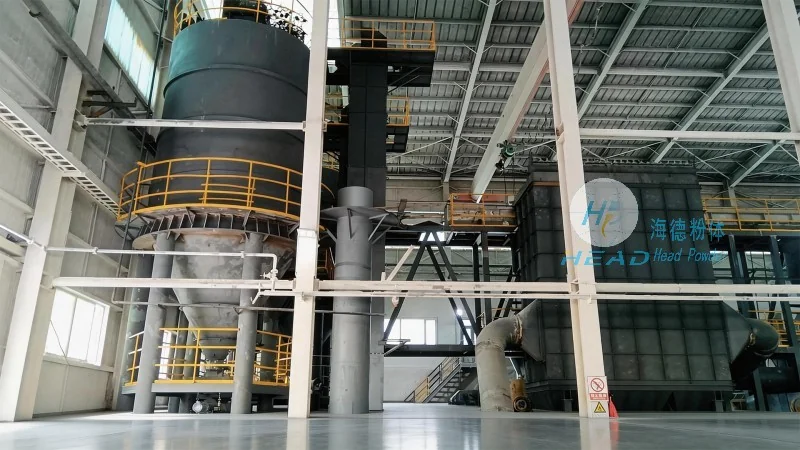
About Shandong HeadPowder Engineering Co., Ltd.
Shandong HeadPowder Engineering Co., Ltd., commonly known as HeadPowder, is a leading engineering company specializing in the design, manufacturing, and installation of pneumatic conveying systems for various industrial applications. With a focus on catalyst material handling, the company has extensive experience in developing customized solutions that meet the specific requirements of clients in the chemical, petrochemical, and pharmaceutical industries. HeadPowder's expertise lies in the integration of advanced technology with practical engineering to ensure efficient, reliable, and safe conveying operations. The company's team of engineers and technicians works closely with clients to understand their process needs and provide tailored solutions that enhance productivity and reduce operational costs. HeadPowder's commitment to quality and innovation has made it a trusted partner for businesses seeking to optimize their material handling processes.