

Operation Process and Working Principle of Resin Sand Material Pneumatic Conveying
Resin sand material pneumatic conveying is a critical technology in modern industrial processes, particularly in foundries and casting operations. This method efficiently transports resin-coated sand, a key component in sand molding, from one location to another without the need for mechanical components like belts or buckets. The system relies on the force of compressed air to move the material through a network of pipes, ensuring a clean, dust-free, and efficient transfer. For businesses seeking reliable solutions for resin sand handling, understanding the operation process and working principles of pneumatic conveying systems is essential.
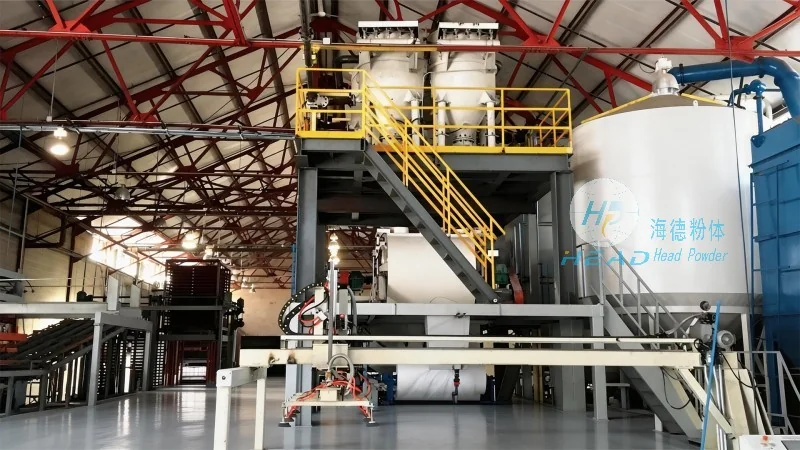
The Role of Pneumatic Conveying in Resin Sand Material Handling
In the manufacturing of castings, resin sand is a primary material used for creating molds. Traditional methods of transporting resin sand, such as manual handling or mechanical conveyors, often lead to material degradation, contamination, and increased labor costs. Pneumatic conveying offers a superior alternative by utilizing air pressure to move the sand, minimizing wear and tear on equipment while maintaining the integrity of the material. This technology is particularly valuable in high-volume production environments where consistent and efficient material flow is paramount.
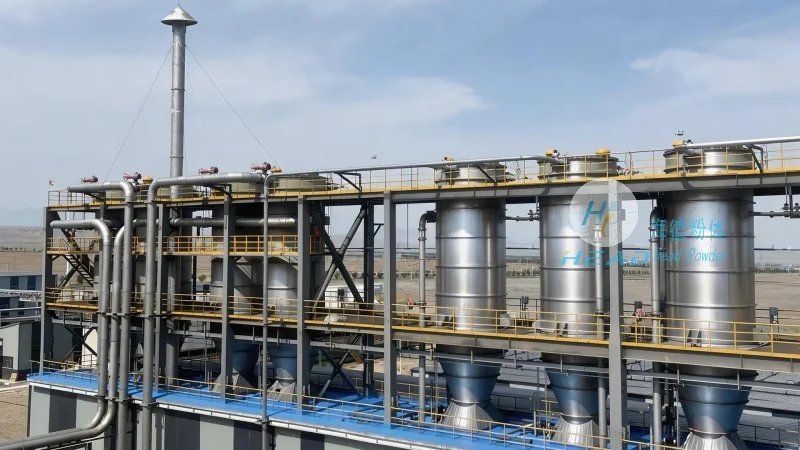
About Shandong HeadPowder Engineering Co., Ltd.
HeadPowder, a leading manufacturer in the field of material handling systems, specializes in the design, development, and implementation of pneumatic conveying solutions. With headquarters in Shandong, China, the company leverages over a decade of industry experience to deliver customized systems tailored to the unique needs of foundries and casting plants. HeadPowder's commitment to quality and innovation has positioned it as a trusted partner for businesses seeking to optimize their resin sand handling processes. The company's team of engineers and technicians works closely with clients to assess operational requirements, select appropriate equipment, and ensure seamless integration into existing production lines.
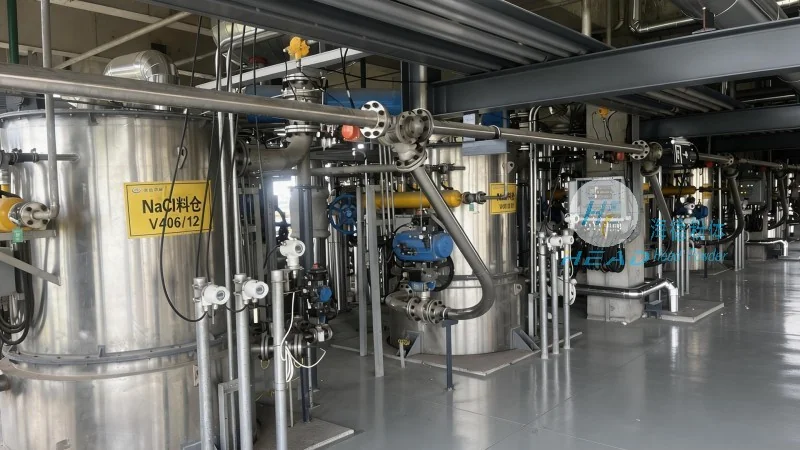
The Operation Process of Resin Sand Pneumatic Conveying
The operation process of resin sand pneumatic conveying involves several key steps, each designed to ensure efficient and reliable material transfer. The process begins with the loading of resin sand into a hopper or storage bin. From there, the material is fed into the conveying system via a feeder, which controls the flow rate to match the system's capacity. Compressed air is then introduced into the system, creating a pressure differential that propels the sand through the pipeline network. The air-sand mixture travels through the pipes, with the air providing the necessary force to move the material. At the discharge point, the air is separated from the sand, typically using a cyclone separator or a filter, allowing the sand to be deposited in the desired location. The system may include additional components such as vacuum pumps, pressure regulators, and control valves to manage the air flow and maintain optimal operating conditions.
Working Principle of Pneumatic Conveying Systems for Resin Sand
The working principle of pneumatic conveying systems for resin sand is based on the fundamental concept of air as a medium for transporting solid particles. The system operates by creating a pressure difference between the inlet and outlet of the conveying line. In a positive pressure system, compressed air is supplied to the inlet, forcing the sand through the pipes. In a negative pressure (or vacuum) system, a vacuum pump creates a low-pressure environment at the outlet, drawing the sand into the system. The choice between positive and negative pressure depends on factors such as the distance to be covered, the material's characteristics, and the desired flow rate. The air velocity within the pipeline is a critical parameter, as it must be sufficient to keep the sand particles suspended and prevent settling or blockages. Proper air velocity ensures that the sand remains in a fluidized state, allowing for smooth and continuous transport. The system also incorporates features such as pulse-jet cleaning to prevent dust accumulation and maintain consistent performance over time.
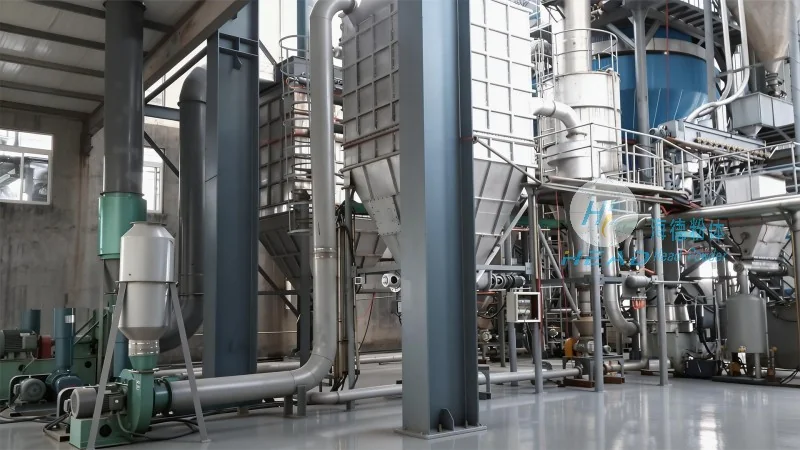
For industries relying on resin sand for casting applications, the efficiency and reliability of pneumatic conveying systems directly impact production quality and operational costs. By understanding the operation process and working principles of these systems, businesses can make informed decisions about equipment selection and system optimization. HeadPowder, with its expertise in pneumatic conveying technology, provides comprehensive solutions that enhance material handling efficiency, reduce downtime, and improve overall production output. The company's commitment to customer satisfaction and technological advancement ensures that clients receive systems that meet their specific requirements and contribute to long-term operational success.