

Operation Process and Working Principle of Pneumatic Conveying for Biomass Powder Materials
Biomass powder materials, such as wood chips, agricultural residues, and other organic powders, are widely used in energy production, biofuel processing, and environmental applications. Efficient and reliable material handling is crucial for optimizing production lines and ensuring consistent quality. Pneumatic conveying systems offer a solution by transporting these powders through a pipeline using air pressure or vacuum. This method is particularly suitable for biomass powders due to their fine particle size and potential for dust generation, as it minimizes contamination and maintains material integrity.
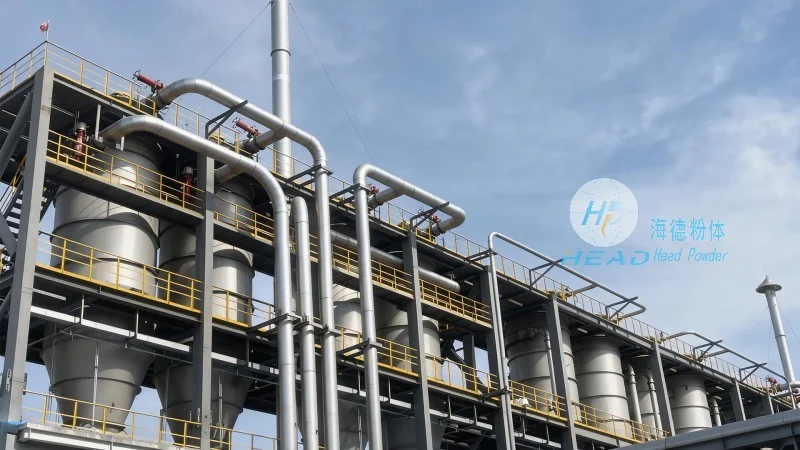
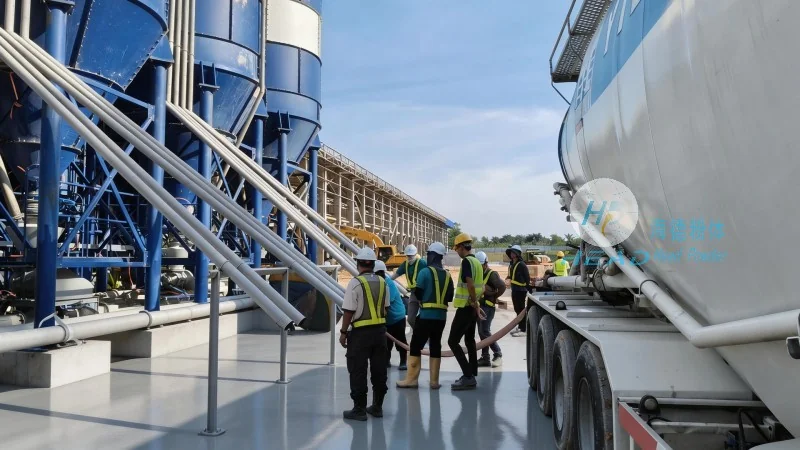
HeadPowder, a leading provider of pneumatic conveying solutions, specializes in designing and implementing systems tailored to the unique characteristics of biomass powders. The company's expertise lies in understanding the physical properties of different biomass materials and selecting the most appropriate conveying technology to ensure safe and efficient transport. By leveraging advanced engineering and material science, HeadPowder delivers systems that meet the demanding requirements of modern biomass processing industries.
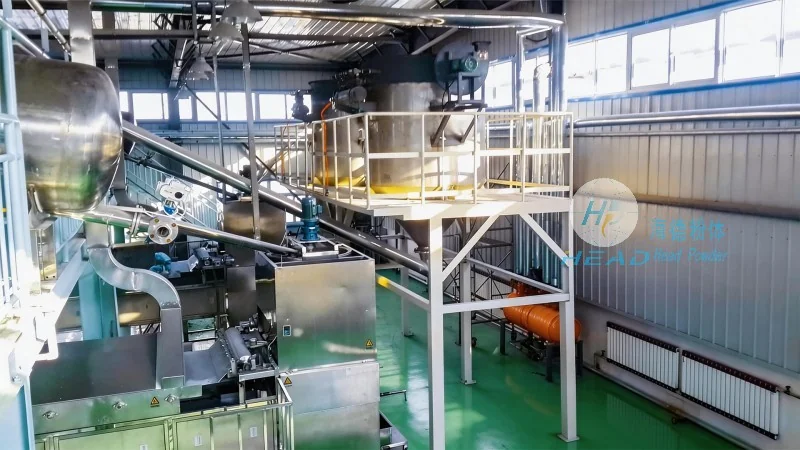
Operation Process of Biomass Powder Pneumatic Conveying
The operation process of a pneumatic conveying system for biomass powders typically involves several key steps, each designed to ensure smooth and continuous material transport. The first step is the material preparation, where raw biomass is processed into a consistent powder or granule form. This may include grinding, drying, and sieving to achieve the desired particle size and moisture content. Proper preparation is critical as it directly impacts the conveying efficiency and system performance.
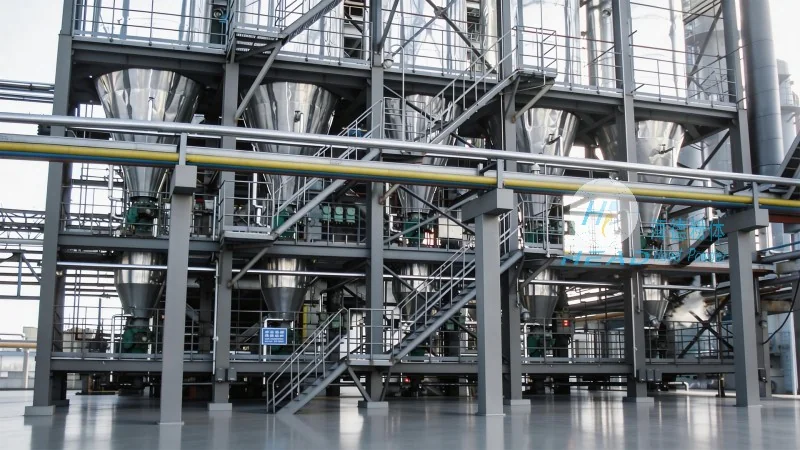
Next, the prepared biomass is fed into the conveying hopper, which serves as the storage and feeding unit. The hopper is equipped with a feeder, such as a rotary valve or screw feeder, that controls the flow rate of the material into the pipeline. This step ensures a steady supply of material to the conveying system, preventing blockages and maintaining consistent pressure.