

Working Principle and Features of Barium Sulfate Pneumatic Conveying
Barium sulfate, a widely used industrial material, often requires efficient and reliable transport methods for its handling. Pneumatic conveying is a common technique employed in the industry to move such materials, and understanding its working principle and features is crucial for optimizing operations. This article explores the working principle and key characteristics of barium sulfate pneumatic conveying, providing insights into its application and benefits.
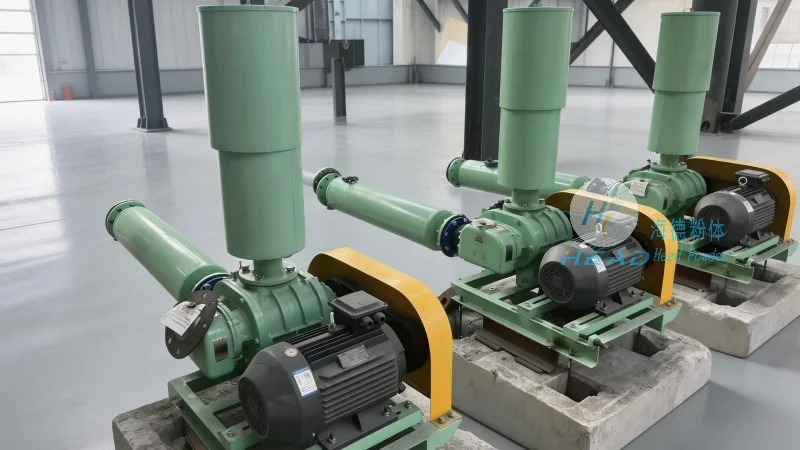
Understanding Pneumatic Conveying for Barium Sulfate
Pneumatic conveying is a method of transporting bulk materials through a pipeline using air or other gas as the conveying medium. In the case of barium sulfate, which is typically a fine powder with specific physical properties, this technique offers several advantages over traditional methods like belt conveyors or bucket elevators. The process involves creating a flow of air within a sealed system, where the material is suspended and carried along the pipeline to the destination. This method is particularly suitable for materials that are dusty, abrasive, or require a controlled environment during transport.
The Working Principle of Barium Sulfate Pneumatic Conveying
The working principle of barium sulfate pneumatic conveying can be broken down into several key steps. First, the material is fed into the conveying system, often through a hopper or feeder that ensures a consistent flow. Then, a fan or blower generates a high-velocity airflow within the pipeline. As the air flows, it lifts the barium sulfate particles, creating a slurry or suspension that moves through the system. The velocity of the air is critical; it must be sufficient to overcome the gravitational force acting on the particles and maintain their suspension. The system typically includes components such as a receiver, where the material is deposited, and a filter or cyclone to separate the material from the air. The entire process is controlled to ensure efficient and safe transport, minimizing material loss and preventing clogging or blockages in the pipeline.
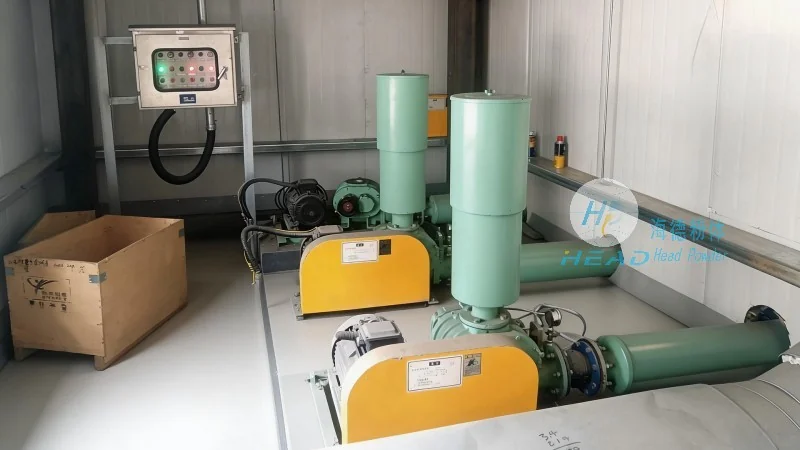
Key Features and Advantages of Barium Sulfate Pneumatic Conveying
Several features make barium sulfate pneumatic conveying an attractive option for industrial applications. Firstly, it offers a dust-free and enclosed transport system, which is essential for handling materials that are hazardous or cause respiratory issues if inhaled. The sealed pipeline prevents the release of fine particles into the environment, enhancing workplace safety and compliance with environmental regulations. Secondly, pneumatic conveying allows for precise control over the flow rate and pressure, enabling the adjustment of material transport based on production needs. This flexibility is particularly valuable in dynamic manufacturing environments where demand for barium sulfate may vary. Thirdly, the system can handle materials with varying particle sizes and moisture content, as the air flow can adapt to different physical properties. Additionally, pneumatic conveying reduces the need for manual handling and labor-intensive processes, improving operational efficiency and reducing the risk of workplace injuries. The system also minimizes material degradation, as the enclosed environment protects the barium sulfate from exposure to air, moisture, or other contaminants that could affect its quality.
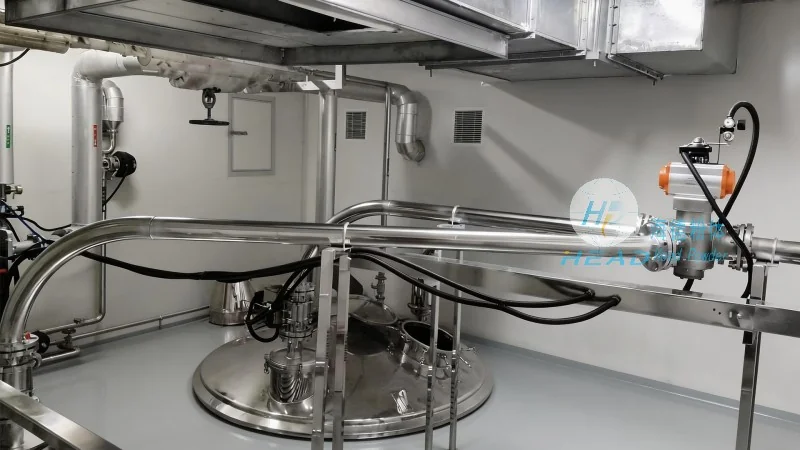
Applications and Considerations in Industrial Use
Barium sulfate pneumatic conveying is widely used in various industries, including pharmaceuticals, coatings, and ceramics, where the material is used as a filler or pigment. In these applications, the material's purity and consistency are critical, and pneumatic conveying helps maintain these qualities during transport. However, there are considerations to keep in mind when implementing this system. The initial investment and maintenance costs can be higher compared to other transport methods, as the system requires specialized equipment and regular upkeep. Additionally, the system's performance depends on the proper design and sizing of the pipeline, fan, and other components to ensure optimal airflow and material transport. Proper filtration and cleaning of the system are also necessary to prevent the buildup of material in the pipeline and maintain efficiency. Despite these considerations, the benefits of pneumatic conveying often outweigh the costs, especially in applications where material quality and safety are paramount.
About Shandong HeadPowder Engineering Co., Ltd.
Shandong HeadPowder Engineering Co., Ltd., commonly known as HeadPowder, is a leading provider of industrial material handling solutions. With a focus on innovation and quality, the company specializes in designing and manufacturing pneumatic conveying systems tailored to the needs of various industries. HeadPowder's expertise lies in understanding the unique requirements of materials like barium sulfate and developing efficient transport solutions that enhance operational performance. The company's commitment to customer satisfaction and technical excellence has made it a trusted partner for businesses seeking reliable and effective material handling systems. HeadPowder's facilities are located in Shandong, China, where the company leverages local resources and expertise to deliver high-quality products and services to clients worldwide.