

Working Principle and Characteristics of Air-Flow Transportation for Manganese Carbonate
When discussing the air-flow transportation of manganese carbonate, it's essential to understand the underlying mechanisms that enable efficient material handling. This process involves the use of air as a medium to transport the solid particles of manganese carbonate, a method widely adopted in industrial applications due to its advantages in terms of flexibility and cost-effectiveness.
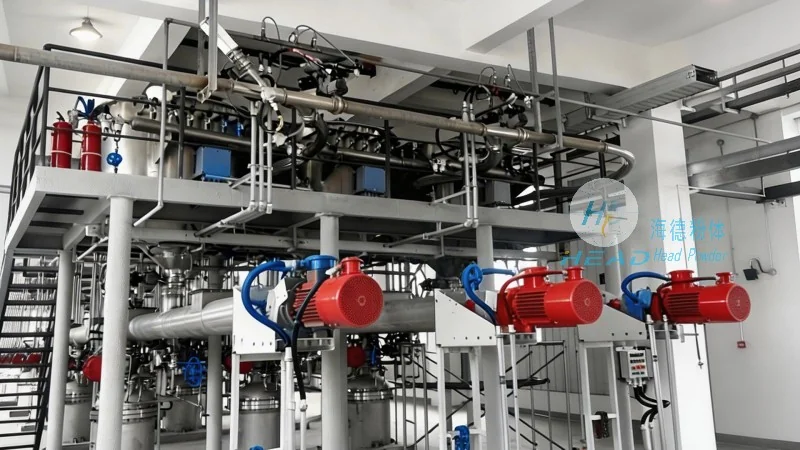
The working principle of air-flow transportation for manganese carbonate is centered on the creation of a pneumatic conveying system. In this system, the manganese carbonate particles are introduced into a pipeline, where they are suspended and carried by a stream of air. The air flow is generated by a blower or a fan, which provides the necessary pressure and velocity to move the particles through the system. The key components of such a system typically include a hopper for material storage, a feeder to control the flow rate, a conveying line, and a receiver to collect the transported material. The air is introduced at the inlet of the conveying line, and as it moves through the pipe, it carries the manganese carbonate particles along with it. The velocity of the air must be sufficient to overcome the gravitational forces acting on the particles and to maintain their suspension within the air stream. This ensures that the particles do not settle out of the air flow prematurely, which could lead to blockages or inefficiencies in the system.
One of the primary characteristics of air-flow transportation for manganese carbonate is its ability to handle a wide range of particle sizes and shapes. Unlike other transportation methods, such as belt conveyors or screw conveyors, which may be limited by the size and density of the particles, pneumatic systems can accommodate various forms of manganese carbonate, including powders, granules, and even fine dust. This flexibility makes air-flow transportation particularly suitable for handling manganese carbonate in its raw or processed form, whether it's being transported from a storage facility to a processing plant or from a processing plant to a storage or packaging area.
Another important characteristic is the system's ability to handle materials that are prone to dust generation or caking. Manganese carbonate, being a fine powder or granule, can easily produce dust during handling, which may pose health and safety risks if not properly managed. Air-flow transportation systems are equipped with dust collection and filtration systems that capture and remove the airborne particles, ensuring a safe working environment. Additionally, the air flow helps to prevent the agglomeration of particles, which can occur when they are left to settle, thus maintaining the material's flowability and preventing blockages in the conveying line.
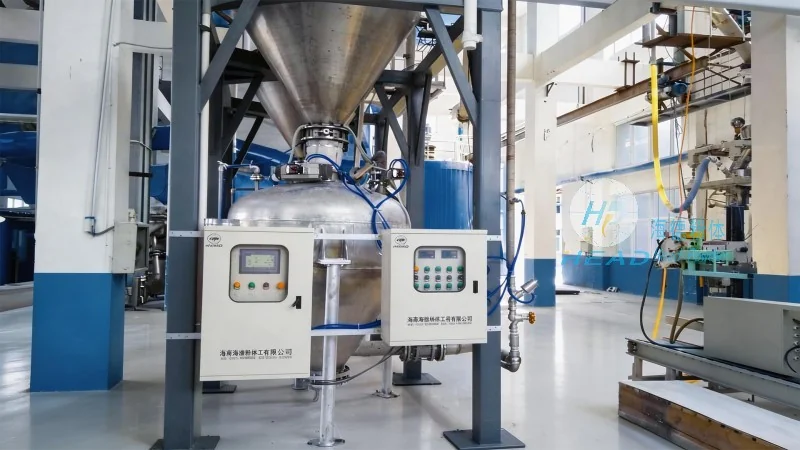
The efficiency of air-flow transportation for manganese carbonate is also influenced by the design of the system, particularly the velocity and pressure of the air. The optimal air velocity is determined by the particle size, density, and shape of the manganese carbonate, as well as the diameter of the conveying pipe. Higher velocities may be required for smaller or lighter particles to maintain suspension, while lower velocities may be sufficient for larger or denser particles. The pressure of the air is also critical, as it must be sufficient to overcome the frictional losses in the pipe and any elevation changes in the system. Proper system design, including the selection of appropriate components and the calculation of air flow rates, is essential to achieve efficient and reliable transportation of manganese carbonate.
In terms of operational characteristics, air-flow transportation for manganese carbonate offers several advantages over traditional methods. It provides a continuous and uniform flow of material, which is beneficial for processes that require a steady supply of raw material. The system is also relatively compact and can be installed in confined spaces, making it suitable for facilities with limited floor space. Furthermore, the absence of moving parts in the conveying line reduces the risk of mechanical failure and maintenance requirements, contributing to lower operational costs over time.
However, air-flow transportation also has some limitations that should be considered. For instance, the system may not be suitable for transporting large quantities of material over long distances, as the energy consumption increases significantly with the distance and the amount of material being transported. Additionally, the system is sensitive to changes in the material's properties, such as moisture content or particle size distribution, which can affect the air flow and cause operational issues. Proper monitoring and control of these variables are necessary to maintain the system's performance.
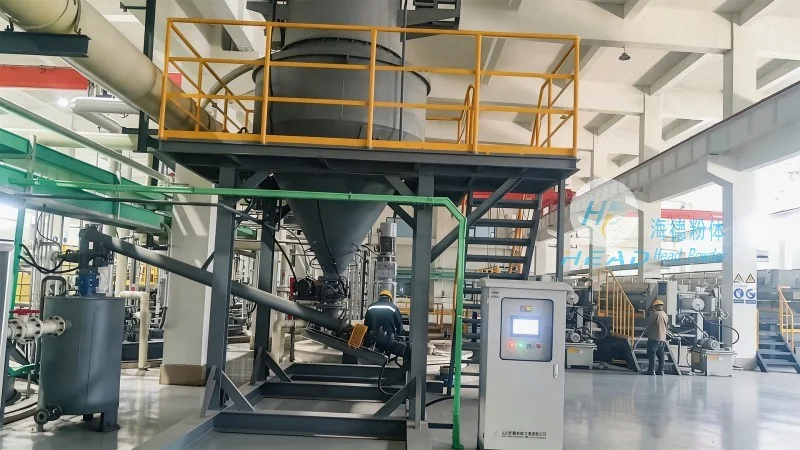
When considering the application of air-flow transportation for manganese carbonate, it's important to evaluate the specific requirements of the process and the characteristics of the material. The system should be designed and installed by experienced professionals who understand the nuances of pneumatic conveying and the specific needs of the manganese carbonate being handled. This ensures that the system operates efficiently and reliably, minimizing downtime and maximizing productivity.
Shandong HeadPowder Engineering Co., Ltd., a leading provider of pneumatic conveying solutions, specializes in the design, manufacturing, and installation of air-flow transportation systems for various industrial applications, including the handling of manganese carbonate. With years of experience in the field, the company has developed a deep understanding of the principles and characteristics of pneumatic conveying, enabling them to provide customized solutions that meet the unique needs of their clients. The company's expertise in material handling and system design ensures that the air-flow transportation systems are optimized for efficiency, safety, and cost-effectiveness, making them a reliable choice for industries that require the reliable and efficient transportation of manganese carbonate.
Located in Shandong, China, Shandong HeadPowder Engineering Co., Ltd. leverages its local presence and expertise to serve clients in the region and beyond. The company's commitment to quality and innovation has earned it a reputation as a trusted partner in the industry, providing high-quality pneumatic conveying systems that enhance the productivity and safety of industrial operations. By focusing on the specific requirements of each project and leveraging advanced technology, the company ensures that its clients receive solutions that are tailored to their needs and deliver long-term value.