

Working Principle and Characteristics of Zinc Oxide Pneumatic Conveying
Understanding the working principle and characteristics of zinc oxide pneumatic conveying is crucial for industries that rely on efficient material handling. This article provides a detailed overview of how pneumatic conveying systems operate when transporting zinc oxide, a widely used chemical compound, and highlights the key features that make such systems effective and reliable.
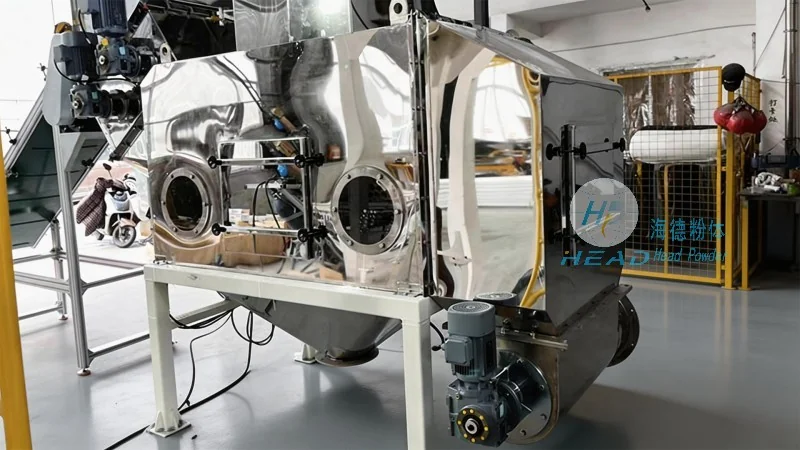
Introduction to Zinc Oxide Pneumatic Conveying
Zinc oxide (ZnO) is a white, odorless powder with various industrial applications, including pharmaceuticals, rubber, and ceramics. When handling ZnO, traditional methods like bucket elevators or belt conveyors may pose challenges due to the material's fine particle size and potential dust generation. Pneumatic conveying offers a solution by using air to transport the material through a pipeline system, reducing the risk of contamination and improving operational efficiency.
Working Principle of Pneumatic Conveying for Zinc Oxide
The core of pneumatic conveying systems lies in the interaction between the material and the air stream. In a typical system, compressed air is introduced into a hopper or feeder, where it lifts the zinc oxide particles and propels them through a pipeline. The process can be categorized into two main types: dilute-phase and dense-phase conveying. Dilute-phase systems use higher air velocities to keep particles suspended, while dense-phase systems employ lower velocities to form a slurry-like flow, which is often preferred for handling fine powders like ZnO to minimize particle degradation and system wear.
Key components of a zinc oxide pneumatic conveying system include the air compressor, which provides the necessary pressure and volume of air; the feeder, which controls the material flow rate; the pipeline network, which transports the material from the source to the destination; and the receiver, where the material is deposited. The system operates by creating a pressure differential between the feeder and the receiver, ensuring continuous material transport without the need for mechanical parts that come into direct contact with the ZnO.
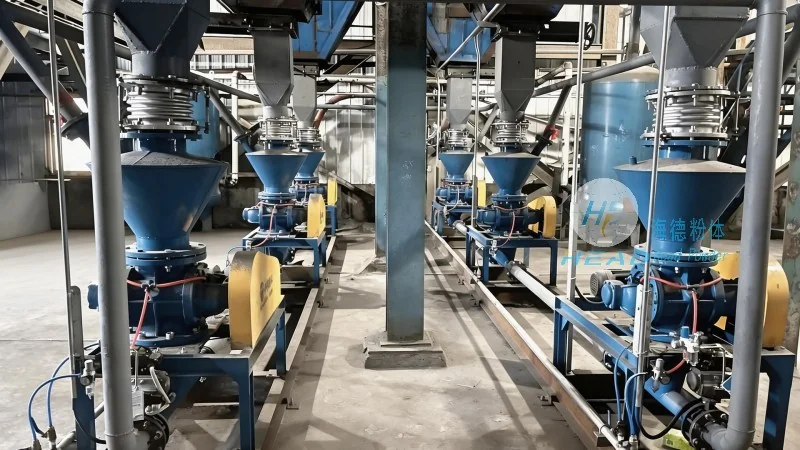
Key Characteristics of Zinc Oxide Pneumatic Conveying
Several characteristics make pneumatic conveying an ideal method for transporting zinc oxide, particularly in industries where product purity and process safety are paramount. First, the system is fully enclosed, which prevents dust from escaping into the environment and reduces the risk of inhalation by workers. This enclosed design also minimizes the risk of cross-contamination with other materials, ensuring the ZnO remains in its pure state throughout the conveying process.
Second, pneumatic conveying offers high efficiency in terms of material transport speed and throughput. By using compressed air, the system can move large quantities of ZnO over long distances with minimal downtime. This efficiency is further enhanced by the ability to integrate multiple conveying lines, allowing for flexible material routing and increased production capacity.
Third, the system is highly adaptable to different process requirements. It can be configured for both batch and continuous operation, and the air pressure and flow rate can be adjusted to accommodate varying particle sizes and material densities of zinc oxide. This adaptability makes it suitable for a wide range of applications, from small-scale laboratory use to large-scale industrial production.
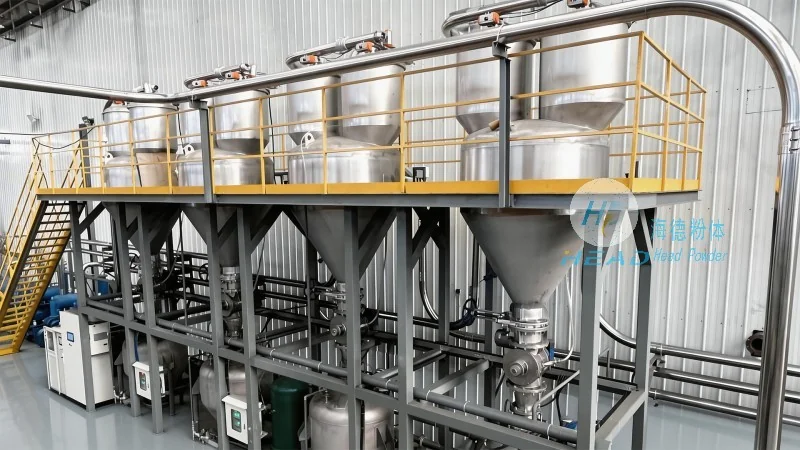
Fourth, the maintenance requirements of pneumatic conveying systems are relatively low compared to traditional mechanical conveyors. Since there are no moving parts in direct contact with the ZnO (except for the feeder and receiver), the risk of wear and tear is reduced. This leads to lower maintenance costs and longer system lifespans, making it a cost-effective solution for long-term ZnO handling.
Applications and Benefits in Industrial Settings
In industrial settings, the benefits of zinc oxide pneumatic conveying are evident across various sectors. For example, in the pharmaceutical industry, where ZnO is used as an excipient or active ingredient, the enclosed system ensures that the material remains sterile and free from contaminants, meeting stringent regulatory requirements. In the rubber industry, where ZnO acts as a reinforcing agent, the efficient transport of fine particles helps maintain consistent product quality and reduces the need for reprocessing.
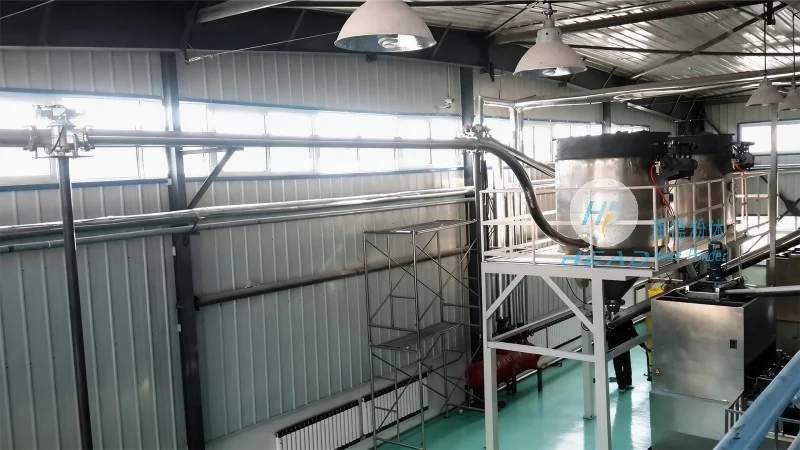
Additionally, the system's ability to handle ZnO in a dust-free environment contributes to improved workplace safety. By eliminating the need for manual handling of loose powder, the risk of respiratory issues and other health hazards is significantly reduced. This not only protects workers but also enhances overall operational safety in the workplace.
Conclusion
Overall, the working principle and characteristics of zinc oxide pneumatic conveying demonstrate its effectiveness as a modern material handling solution. By leveraging compressed air to transport fine powders like ZnO, the system offers advantages such as enclosed operation, high efficiency, adaptability, and low maintenance. These features make it a preferred choice for industries that require reliable, safe, and efficient transport of zinc oxide, ensuring consistent product quality and operational performance.
Shandong HeadPowder Engineering Co., Ltd., a leading provider in the field, specializes in designing and manufacturing pneumatic conveying systems tailored to the specific needs of ZnO handling. With a focus on innovation and quality, the company ensures that its systems meet the highest standards of performance and safety, supporting clients in achieving their production goals while maintaining environmental and health regulations.