

What is the Sodium Hydroxide Powder Material Handling System Equipment? And What Are Its Design Prin
Understanding the sodium hydroxide powder material handling system equipment is crucial for industries that rely on efficient and safe transportation of this caustic chemical. This equipment is engineered to manage the unique properties of sodium hydroxide, a highly reactive and corrosive substance, ensuring that it is handled from storage to processing with minimal risk of accidents or material degradation. The design principles behind such systems are centered on safety, efficiency, and durability, addressing the specific challenges posed by powder handling in industrial settings.
Key Components of the Sodium Hydroxide Powder Material Handling System
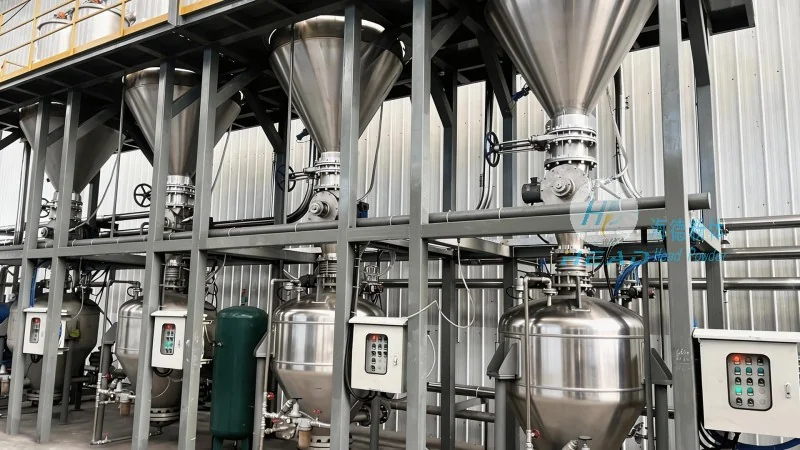
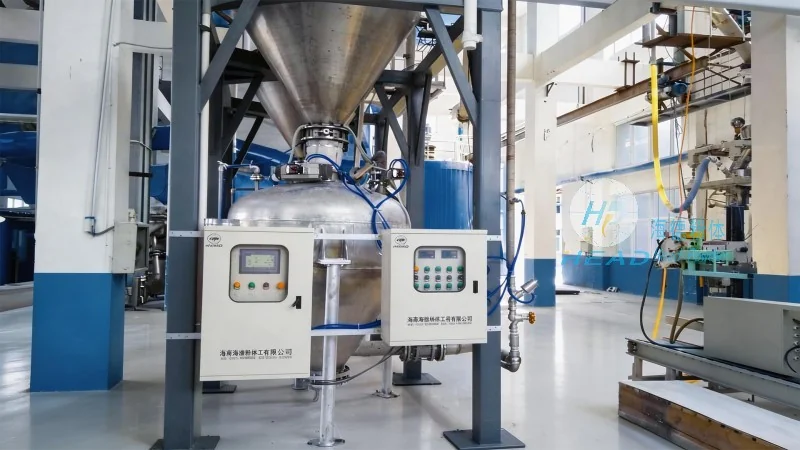
The core components of a sodium hydroxide powder material handling system typically include storage silos or hoppers, feeding mechanisms, conveying equipment, and control systems. Storage silos are designed to maintain the powder's integrity, often with airtight and corrosion-resistant materials to prevent moisture absorption or contamination. Feeding mechanisms, such as rotary valves or screw feeders, regulate the flow of powder from the storage silo to the conveying system. Conveying equipment, which may include pneumatic or mechanical systems, transports the powder to processing units or packaging areas. Control systems integrate sensors and automation to monitor flow rates, pressure, and other critical parameters, ensuring consistent and safe operation.
Design Principles for Efficient and Safe Material Handling
The design principles for sodium hydroxide powder handling systems prioritize several key factors. First, safety is paramount due to the chemical's reactivity and potential for causing burns or environmental damage. Systems incorporate explosion-proof designs, dust suppression measures, and emergency shutdown capabilities to mitigate risks. Second, efficiency is achieved through optimized flow rates and minimal material loss, reducing downtime and operational costs. This involves selecting appropriate conveying speeds, ensuring proper sealing to prevent leakage, and using materials that resist corrosion from the caustic substance. Third, durability is essential, as the equipment must withstand continuous exposure to sodium hydroxide and its corrosive byproducts. High-quality materials like stainless steel or specialized alloys are commonly used for components that come into direct contact with the powder, extending the system's lifespan.
The Role of HeadPowder in Engineering Solutions
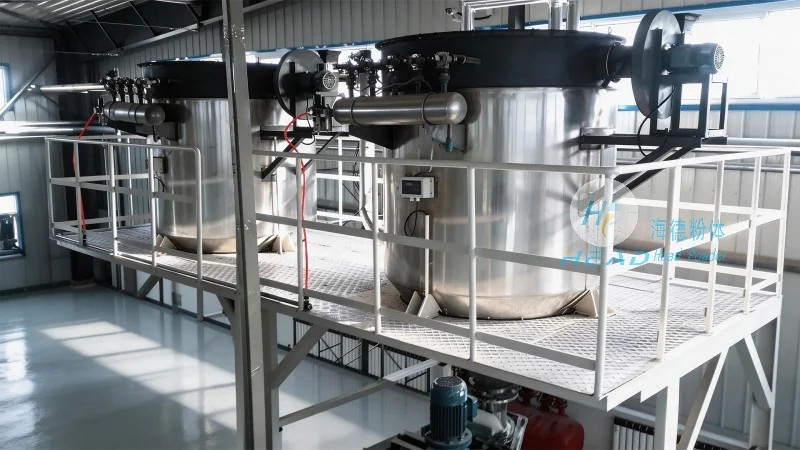
Shandong HeadPowder Engineering Co., Ltd., a leading provider of industrial material handling solutions, specializes in designing and manufacturing sodium hydroxide powder handling systems tailored to client needs. With a focus on innovation and adherence to industry standards, HeadPowder leverages advanced engineering techniques to address the unique challenges of handling caustic powders. The company's expertise includes customizing storage and conveying systems, integrating automation for process control, and ensuring compliance with safety regulations. By collaborating closely with clients, HeadPowder develops solutions that enhance operational efficiency while maintaining the highest safety standards. The company's facilities in China, specifically in Shandong, are equipped with state-of-the-art technology and skilled professionals who ensure the quality and reliability of each system produced.
Conclusion: Balancing Performance and Safety in System Design
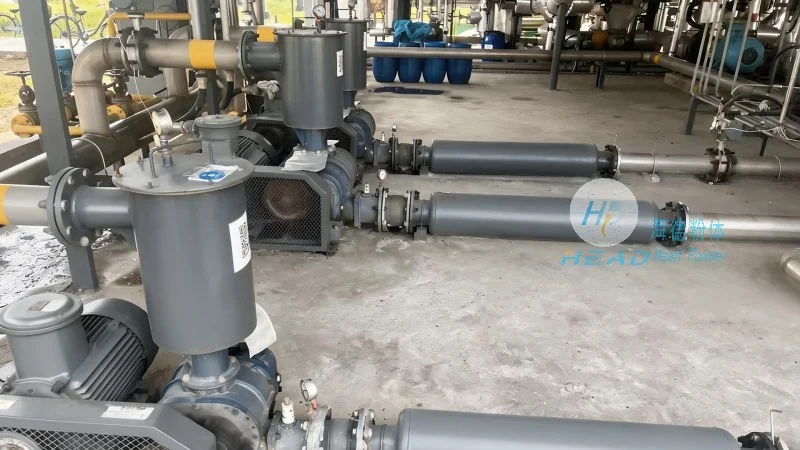
In summary, the sodium hydroxide powder material handling system equipment is a sophisticated solution that integrates multiple components and design principles to ensure safe and efficient operation. From robust storage and feeding mechanisms to advanced control systems, each part of the system is engineered to handle the challenges posed by sodium hydroxide. The expertise of companies like Shandong HeadPowder Engineering Co., Ltd. is vital in developing these systems, as they combine technical knowledge with practical experience to deliver solutions that meet the demands of modern industrial applications. By prioritizing safety, efficiency, and durability, such systems not only protect personnel and the environment but also contribute to the overall productivity and sustainability of industrial operations.