

What is a Monocrystalline Silicon Material Handling System Equipment? Exploring Its Design Principle
Monocrystalline silicon material handling systems represent a critical component in the manufacturing and processing of high-purity silicon wafers, which are foundational to the semiconductor industry. These systems are engineered to efficiently transport, handle, and manage monocrystalline silicon ingots and wafers throughout various stages of production, from raw material processing to final product packaging. Understanding the design principles and operational mechanisms of such systems is essential for optimizing production efficiency and maintaining the integrity of the silicon material.
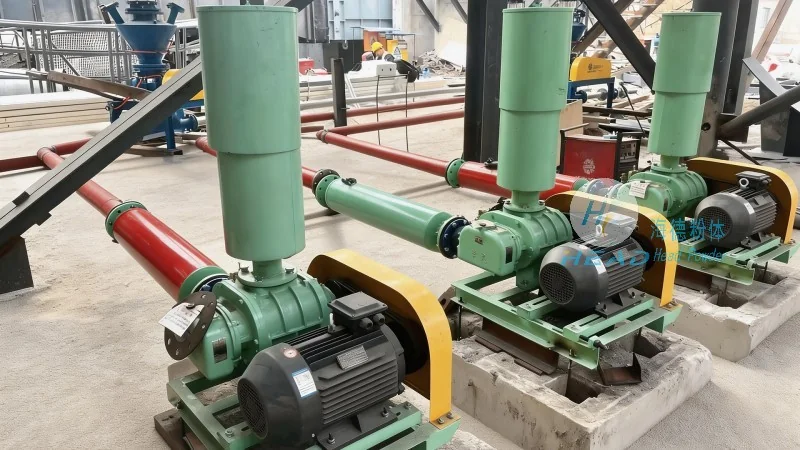
Overview of Monocrystalline Silicon Material Handling Systems
Monocrystalline silicon, also known as single-crystal silicon, is a highly pure form of silicon with a single crystal structure, making it ideal for use in solar cells and integrated circuits. The material handling systems designed for this application must accommodate the delicate nature of the silicon wafers and ingots while ensuring precise control over movement, positioning, and environmental conditions. These systems typically integrate multiple components, including conveyors, robotic arms, and automated storage and retrieval systems, to facilitate seamless material flow within a manufacturing facility.
Key Design Principles of Monocrystalline Silicon Material Handling Systems
The design of monocrystalline silicon material handling systems is guided by several key principles aimed at maximizing efficiency, minimizing material damage, and ensuring high-purity processing. One of the primary principles is the use of non-abrasive and contamination-free materials for all contact surfaces. This includes the selection of high-quality stainless steel, PTFE-coated components, and specialized silicone or rubber seals to prevent particle contamination and scratching of the silicon wafers. Additionally, the systems are designed with precise motion control mechanisms, such as servo motors and linear actuators, to enable accurate positioning and minimal vibration, which are crucial for maintaining the structural integrity of the silicon material.
Another critical design principle is the integration of environmental control systems to maintain a cleanroom environment. Monocrystalline silicon processing requires stringent cleanliness standards to prevent contamination from dust, particles, or moisture, which can compromise the performance of the final products. The material handling systems often incorporate HEPA filters, laminar flow hoods, and temperature and humidity control units to create a controlled environment that minimizes the risk of contamination during material transport. Furthermore, the systems are designed with modular and scalable architectures, allowing for easy integration with existing production lines and future expansion as manufacturing needs evolve.
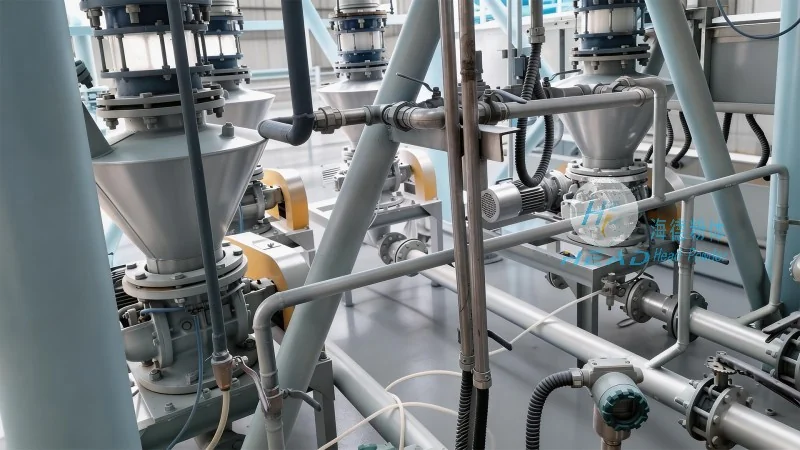
Components and Functionalities of Monocrystalline Silicon Material Handling Systems
The functionality of monocrystalline silicon material handling systems is achieved through a combination of specialized components working in concert. Conveyors, such as belt or roller conveyors, are commonly used to transport silicon ingots and wafers horizontally or at slight inclines, ensuring smooth and continuous movement. Robotic arms equipped with precision grippers are often employed for tasks requiring high accuracy, such as picking up individual wafers from a tray or placing them onto a processing machine. Automated storage and retrieval systems (ASRS) may also be integrated to store and retrieve large quantities of silicon wafers in a compact and organized manner, optimizing space utilization within the facility.
Control systems play a vital role in the operation of these material handling systems. Advanced programmable logic controllers (PLCs) and human-machine interfaces (HMIs) are used to monitor and control the movement of components, adjust parameters in real-time, and provide feedback on system performance. Sensors, including position sensors, load cells, and optical sensors, are strategically placed throughout the system to detect the presence of materials, monitor weight, and verify proper alignment, ensuring safe and efficient operation. The integration of these control and sensing technologies enables the system to operate autonomously, reducing the need for manual intervention and minimizing the risk of human error.
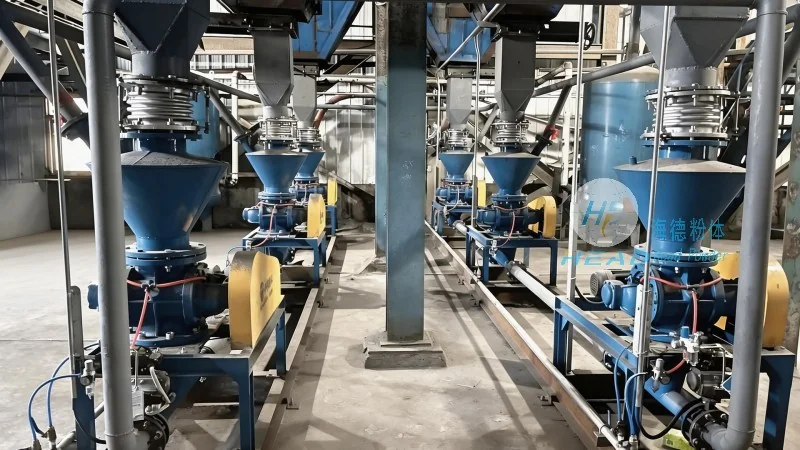
Advantages and Applications of Monocrystalline Silicon Material Handling Systems
Monocrystalline silicon material handling systems offer several advantages that contribute to improved manufacturing outcomes. By streamlining the material flow process, these systems reduce production cycle times and increase overall throughput, allowing manufacturers to meet higher demand for silicon-based products. The precise control over material handling minimizes the risk of damage to silicon wafers, which can result in lower defect rates and higher product yield. Additionally, the integration of environmental control systems ensures that the silicon material remains in a high-purity state throughout processing, which is critical for the performance of solar cells and semiconductor devices.
The applications of monocrystalline silicon material handling systems are widespread across the semiconductor and renewable energy industries. In the solar industry, these systems are used to transport silicon ingots from the crystal growth stage to the slicing and wafering processes, where they are converted into thin wafers for solar panels. In the semiconductor industry, the systems facilitate the movement of wafers between various processing steps, such as doping, etching, and metallization, which are essential for manufacturing integrated circuits and other electronic components. The versatility of these systems makes them adaptable to different production scales, from small-scale research facilities to large-scale commercial manufacturing plants.
Conclusion
Monocrystalline silicon material handling systems are sophisticated engineering solutions designed to meet the demanding requirements of modern silicon processing. By adhering to key design principles, integrating advanced components and control technologies, and maintaining stringent environmental standards, these systems enable manufacturers to efficiently handle and process monocrystalline silicon while preserving its purity and integrity. As the demand for high-purity silicon products continues to grow, the importance of reliable and efficient material handling systems will only increase, making them a critical asset for companies operating in the semiconductor and renewable energy sectors. Shandong HeadPowder Engineering Co., Ltd., based in Shandong, China, specializes in the design and manufacturing of such advanced material handling systems, providing tailored solutions to meet the unique needs of its clients in the industry.