

Working Principle and Features of a Sintered Dust Gas-Pneumatic Conveying System
For industrial applications, the efficient handling of sintered dust is crucial, and the gas-pneumatic conveying system offers a reliable solution. This article explores the working principle and key features of such a system, highlighting its benefits and operational aspects.
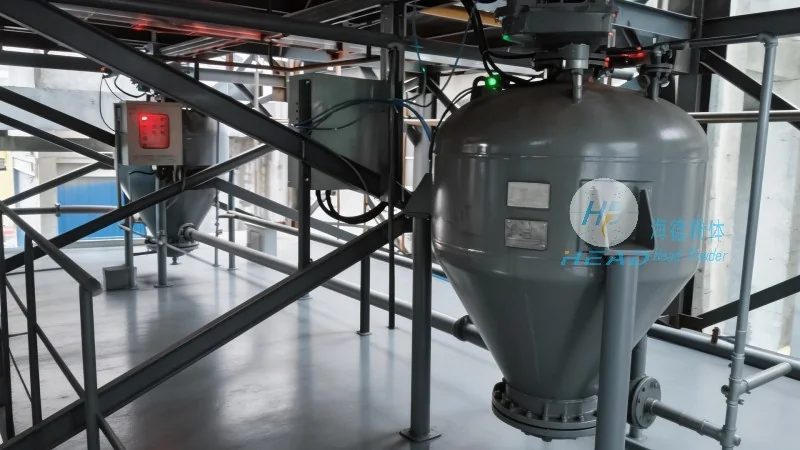
Company Overview: Shandong HeadPowder Engineering Co., Ltd.
HeadPowder, a leading engineering firm based in Shandong, China, specializes in the design and implementation of advanced material handling systems. With a strong focus on innovation and customer satisfaction, the company has established itself as a trusted provider of solutions tailored to the needs of various industrial sectors.
Understanding the Sintered Dust Gas-Pneumatic Conveying System
A sintered dust gas-pneumatic conveying system is a technology used to transport fine particulate materials, such as sintered dust, through a pipeline using compressed air. This method eliminates the need for mechanical components like belts or buckets, making it ideal for handling abrasive or sticky materials that could damage traditional conveyors.
The Working Principle
The core of the system operates on the principle of pneumatic transport. Compressed air is introduced into the conveying line, creating a pressure differential that propels the sintered dust particles forward. The system typically consists of a dust collection hopper, a blower or compressor, a pipeline network, and a discharge point. As air flows through the pipeline, it entrains the dust particles, forming a dense mixture known as a "slurry" or "conveying stream." The velocity of the air ensures that the particles remain suspended and are transported efficiently to the destination.
Key Features and Advantages
Several distinct features make the sintered dust gas-pneumatic conveying system a preferred choice for industrial applications:
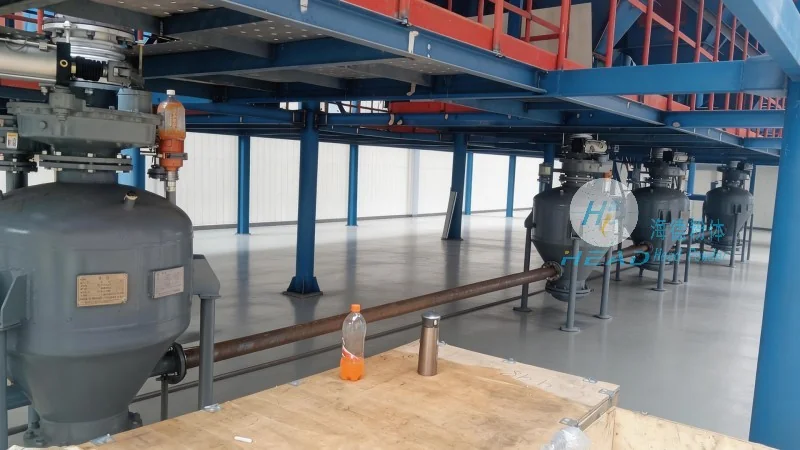
1. Efficient Material Handling: The system can transport sintered dust over long distances with minimal loss, ensuring high material recovery rates. This is particularly beneficial in processes where material loss can impact product quality and cost.
2. Low Maintenance: Unlike mechanical conveyors, which require regular maintenance for components like belts, pulleys, and bearings, pneumatic systems have fewer moving parts. This reduces downtime and maintenance costs, contributing to overall operational efficiency.
3. Flexibility in Layout: The system can be easily adapted to various plant layouts, allowing for the integration of multiple conveying lines and points of discharge. This flexibility enables manufacturers to optimize their production processes and accommodate changes in operational needs.
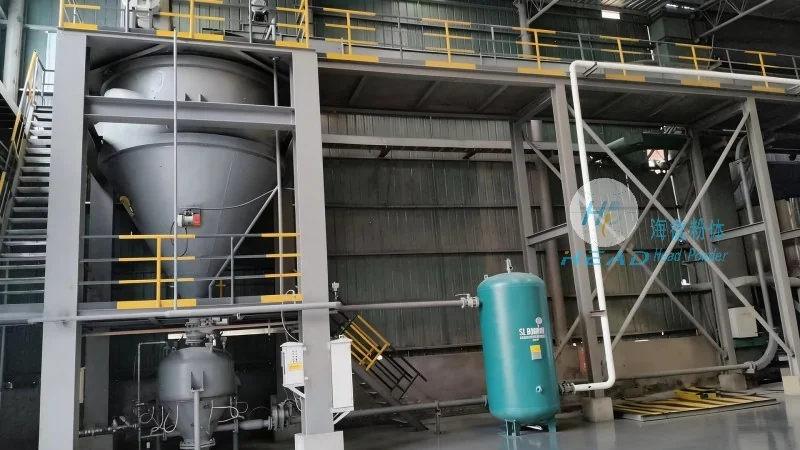
4. Environmental Benefits: By using enclosed pipelines, the system minimizes dust emissions into the environment, enhancing workplace safety and compliance with environmental regulations. This is especially important in industries where dust control is a critical concern.
Operational Considerations and Applications
When implementing a sintered dust gas-pneumatic conveying system, several operational factors must be considered. The system's performance is influenced by factors such as the particle size, moisture content, and density of the sintered dust, as well as the air pressure and flow rate. Proper design and sizing of the blower or compressor are essential to ensure optimal conveying efficiency.
Applications of this system span multiple industries, including steel production, cement manufacturing, and mineral processing. In steel plants, for example, the system is used to transport sintered ore from the sintering plant to the blast furnace, where it is used as a raw material. In cement plants, it helps in the transport of cement clinker from the kiln to storage silos or packaging areas.
Conclusion
The sintered dust gas-pneumatic conveying system, offered by Shandong HeadPowder Engineering Co., Ltd., represents a sophisticated solution for the efficient and reliable handling of sintered dust. By leveraging pneumatic transport principles, the system provides numerous advantages, including high material recovery, low maintenance, and environmental benefits. As industrial processes continue to evolve, such advanced material handling systems play a vital role in optimizing operations and ensuring compliance with industry standards.