

The Working Principle and Features of a Polyethylene Resin Powder Pneumatic Conveying System
Welcome to Shandong HeadPowder Engineering Co., Ltd., a leading provider of advanced pneumatic conveying solutions for polyethylene resin powder applications. Our systems are designed to meet the demanding requirements of modern industrial processes, ensuring efficient, reliable, and safe material handling. This article explores the fundamental working principle and key features of our polyethylene resin powder pneumatic conveying systems, highlighting how they enhance operational efficiency and productivity in various industrial settings.
Understanding the Working Principle of Polyethylene Resin Powder Pneumatic Conveying Systems
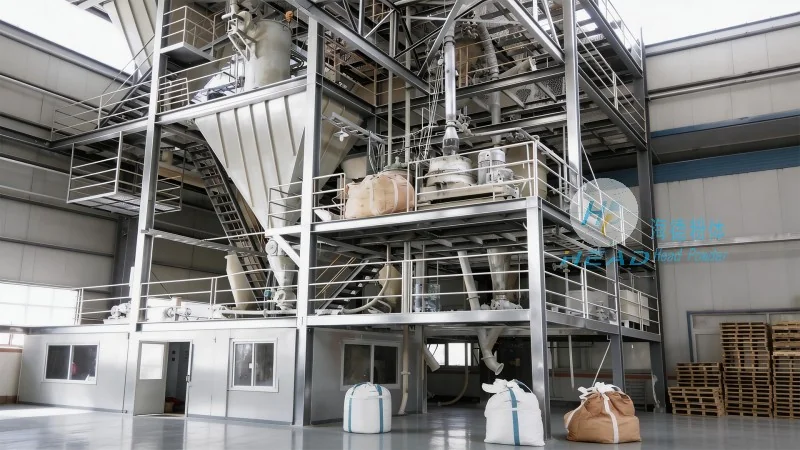
The core mechanism of a polyethylene resin powder pneumatic conveying system involves the use of compressed air or gas to transport dry powders, such as polyethylene resin, through a network of pipes. The process typically begins with the material being fed into a hopper or feeder, where it is then introduced into the conveying line. Compressed air is then introduced into the system, creating a pressure differential that propels the resin powder through the pipes. The system may utilize either pressure or vacuum methods, depending on the specific application and the distance the material needs to be transported. Pressure systems are commonly used for short to medium distances, while vacuum systems are more suitable for longer distances or when the material needs to be drawn from multiple sources. The air and powder mixture travels through the pipeline, and the powder is separated from the air at the discharge point, often through a cyclone or filter, allowing the air to be recirculated or vented safely. This continuous cycle ensures a steady flow of polyethylene resin powder from the source to the destination, minimizing downtime and maximizing throughput.
Key Features of Polyethylene Resin Powder Pneumatic Conveying Systems
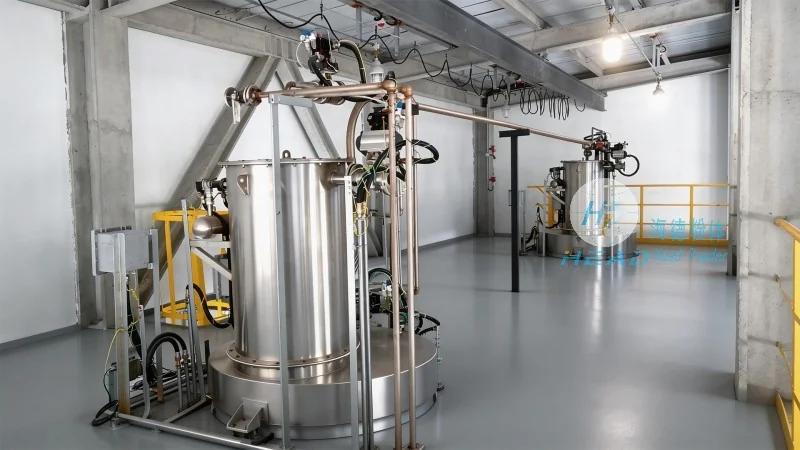
Our polyethylene resin powder pneumatic conveying systems are engineered with several distinctive features that set them apart in the industry. Firstly, they offer high efficiency in material transport, with the ability to handle large volumes of resin powder with minimal energy consumption. The systems are designed for low maintenance, featuring robust components that withstand the abrasive nature of polyethylene resin, reducing the need for frequent repairs and replacements. Another critical feature is the flexibility in system configuration, allowing for customization to suit various production layouts and operational needs. This adaptability ensures that the system can be integrated seamlessly into existing facilities or new installations. Additionally, the systems prioritize safety and environmental compliance, incorporating features such as dust suppression and air filtration to minimize the risk of respiratory hazards and environmental pollution. The use of advanced control systems enables precise regulation of air pressure and flow rates, ensuring consistent and reliable performance. These features collectively contribute to improved operational safety, reduced operational costs, and enhanced overall productivity in polyethylene resin processing facilities.
Applications and Benefits in Industrial Settings
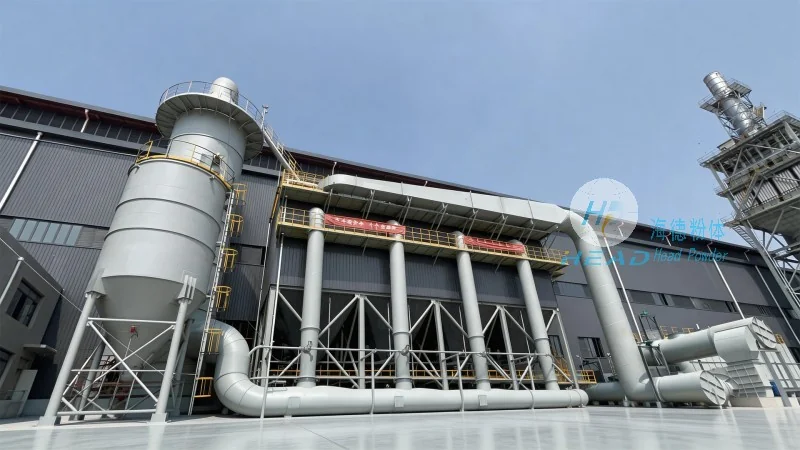
Polyethylene resin powder pneumatic conveying systems are widely used in various industrial applications, including plastic manufacturing, chemical processing, and food processing. In plastic manufacturing, these systems efficiently transport resin powders from storage silos to processing equipment, such as extruders and injection molding machines. This ensures a continuous supply of material, preventing production bottlenecks and maintaining consistent product quality. In chemical processing, the systems are utilized to handle reactive or hazardous powders, providing a safe and enclosed method of transport that minimizes exposure risks. The benefits of using pneumatic conveying systems extend beyond material transport; they also contribute to improved workplace safety by reducing manual handling of powders and minimizing dust accumulation in the workplace. Furthermore, the systems enhance process control by providing consistent material flow rates, which is crucial for maintaining product consistency and meeting quality standards. The integration of advanced monitoring and control technologies allows for real-time tracking of system performance, enabling proactive maintenance and optimizing operational efficiency.
Conclusion and Company Overview
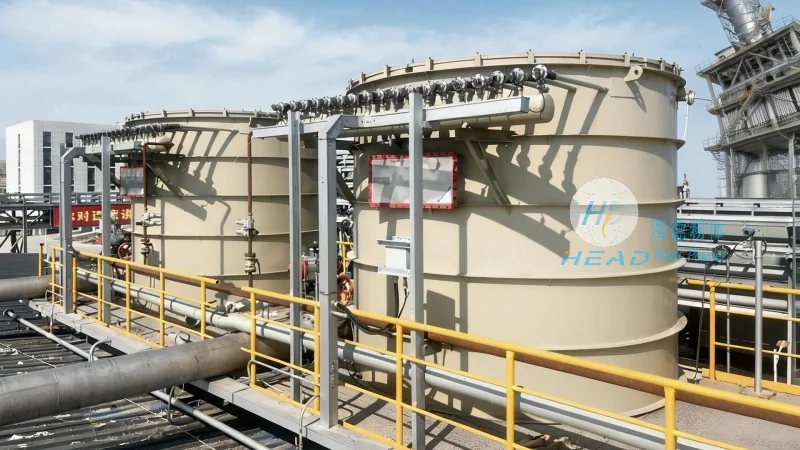
Shandong HeadPowder Engineering Co., Ltd. specializes in the design, manufacturing, and installation of high-quality polyethylene resin powder pneumatic conveying systems. Our commitment to innovation and customer satisfaction has made us a trusted partner for industries seeking reliable and efficient material handling solutions. By leveraging advanced engineering principles and robust manufacturing processes, we deliver systems that meet the highest standards of performance, safety, and durability. Whether for new installations or system upgrades, our polyethylene resin powder pneumatic conveying systems provide a cost-effective and sustainable solution for modern industrial applications. With a focus on customer needs and continuous improvement, we remain dedicated to providing cutting-edge solutions that enhance operational efficiency and support the growth of our clients' businesses. HeadPowder Engineering is dedicated to advancing the technology of pneumatic conveying, ensuring that our systems continue to meet the evolving demands of the industry.