When it comes to transporting calcium carbonate powder, selecting the right conveying method is crucial for efficiency, safety, and operational costs. Two primary options are positive pressure conveying and negative pressure conveying. Understanding the differences between these two systems is essential for making an informed decision. This article will explore the characteristics, advantages, disadvantages, and key factors to consider when choosing between positive pressure and negative pressure for calcium carbonate powder transport.
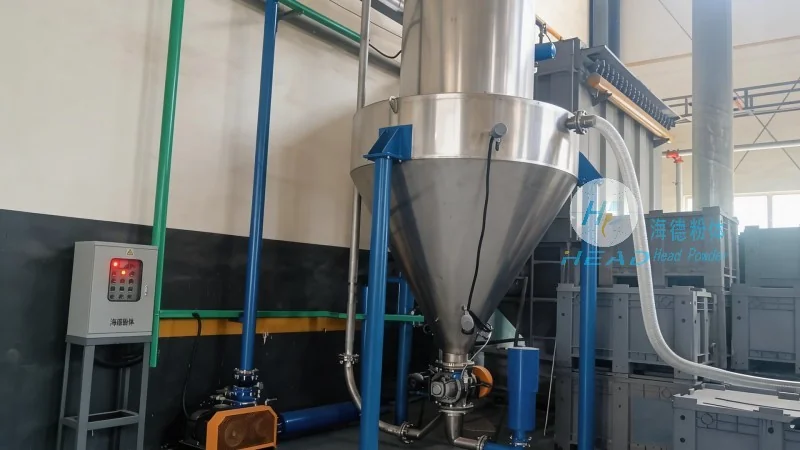
Positive Pressure Conveying Systems
Positive pressure conveying, also known as pressure conveying, operates by blowing air or gas into the material to create a flow. The system uses a blower or compressor to generate positive pressure within the pipeline, pushing the powder forward. This method is often used for long-distance or high-capacity applications where the material needs to be transported over significant distances or through complex layouts.
Key advantages of positive pressure systems include high conveying capacity, ability to handle long distances, and flexibility in pipeline design. They are particularly effective for materials that are prone to caking or require gentle handling. However, these systems may generate more dust and require more maintenance due to the higher pressure and air volume involved.
Negative Pressure Conveying Systems
Negative pressure conveying, or vacuum conveying, works by creating a vacuum in the pipeline to draw the material into the system. A vacuum pump pulls the powder from the source into the collection hopper or directly to the destination. This method is commonly used for shorter distances, handling fine powders, and applications where dust containment is a priority.
Advantages of negative pressure systems include lower energy consumption compared to positive pressure systems, reduced dust emissions at the source, and gentler handling of delicate materials. However, they are generally limited to shorter conveying distances and may not be suitable for very fine or abrasive powders that could cause excessive wear on the vacuum pump and system components.
Distinguishing Between Positive and Negative Pressure Conveying
Choosing between positive and negative pressure conveying depends on several factors. The primary considerations include the distance to be covered, the material's properties (such as particle size, moisture content, and flowability), the required dust control, and the overall system cost.
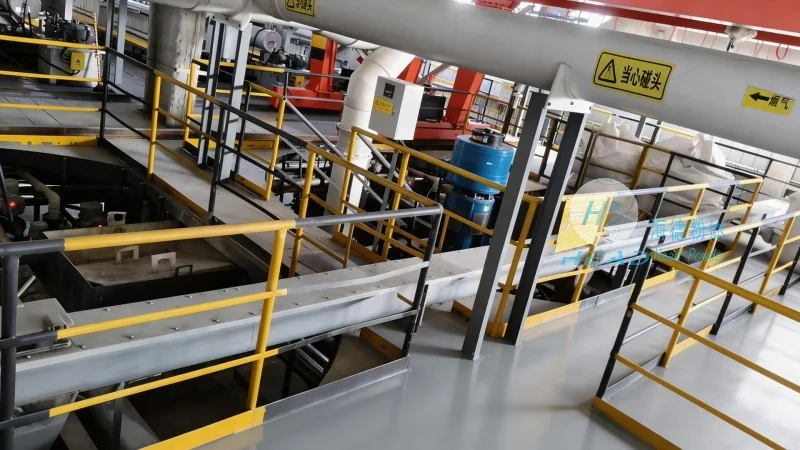
For long-distance or high-volume calcium carbonate powder transport, positive pressure systems are often preferred due to their higher capacity and ability to handle longer pipelines. They are suitable for applications where the material is relatively free-flowing and the system can accommodate higher air volumes. In contrast, negative pressure systems are ideal for shorter distances, handling very fine powders, or when strict dust containment is required, such as in food or pharmaceutical applications.
Key Factors to Consider
Several factors should be evaluated when deciding between positive and negative pressure conveying for calcium carbonate powder:
1. **Conveying Distance**: Positive pressure is better for long distances (typically over 100 meters), while negative pressure is suitable for shorter distances (usually under 50 meters).
2. **Material Properties**: The particle size, moisture content, and flowability of the calcium carbonate powder affect the choice. Coarser or more abrasive powders may be better suited for positive pressure systems with robust components, whereas fine powders may benefit from the gentler suction of negative pressure.
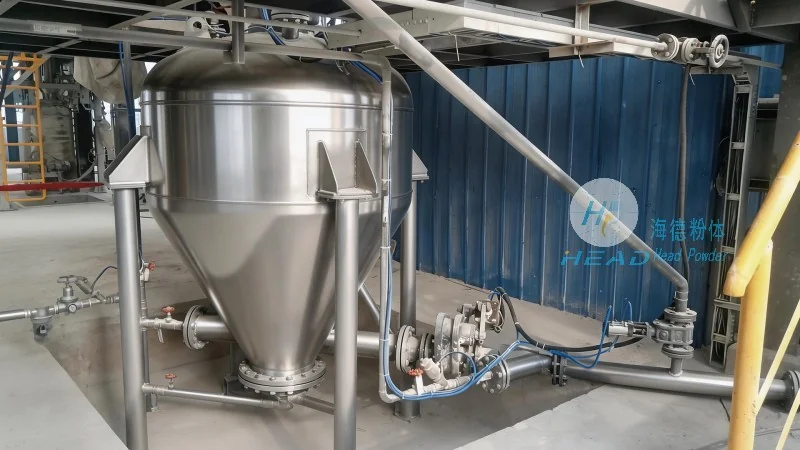
3. **Dust Control Requirements**: If strict dust containment is necessary, negative pressure systems are often preferred as they draw material into the system, reducing emissions at the source. Positive pressure systems may require additional dust collection equipment.
4. **Energy Efficiency**: Negative pressure systems generally consume less energy, making them more cost-effective for shorter distances. Positive pressure systems may have higher energy costs due to the continuous operation of blowers.
5. **System Complexity and Maintenance**: Positive pressure systems may require more maintenance due to higher pressure and air volume, while negative pressure systems can be simpler but may need more frequent filter changes.
Conclusion
Both positive pressure and negative pressure conveying systems have their place in calcium carbonate powder transport. The choice between them should be based on a thorough analysis of the specific application requirements, including distance, material characteristics, and operational constraints. By carefully evaluating these factors, businesses can select the most appropriate conveying method to ensure efficient, safe, and cost-effective powder handling.
Shandong HeadPowder Engineering Co., Ltd., located in Shandong, China, specializes in providing customized conveying solutions for various powder materials, including calcium carbonate. With expertise in both positive and negative pressure systems, the company offers tailored equipment and support to meet the unique needs of different industries.




