For industrial applications, the efficient and reliable transportation of fly ash is a critical process. Fly ash, a byproduct of coal combustion, requires specialized handling to ensure safety and compliance with environmental regulations. This article provides a detailed comparison of common fly ash conveying methods, highlighting the advantages and considerations of each approach. The information is presented by Shandong HeadPowder Engineering Co., Ltd., a leading provider of engineering solutions for bulk material handling in China.
Key Considerations in Fly Ash Conveying
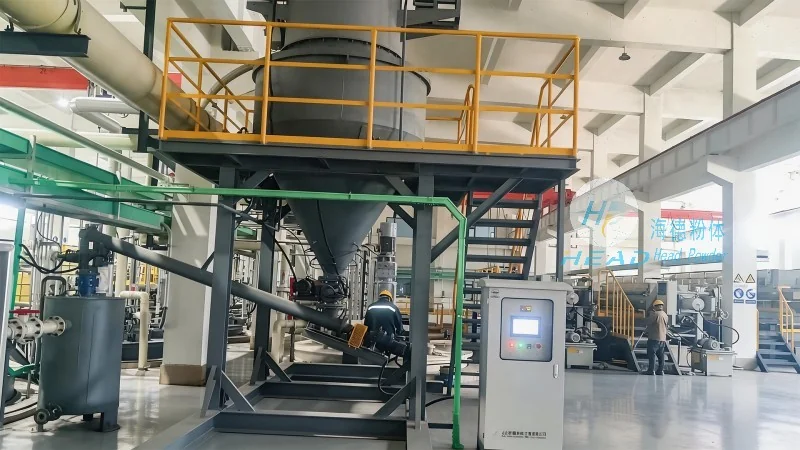
Before discussing specific conveying methods, it is essential to understand the key factors that influence the selection of a suitable system. These factors include the physical properties of fly ash (such as particle size, moisture content, and density), the distance and elevation changes required for transport, operational safety requirements, and the need for environmental protection measures. The choice of conveying method must align with these considerations to ensure optimal performance and cost-effectiveness.
1. Pneumatic Conveying Systems
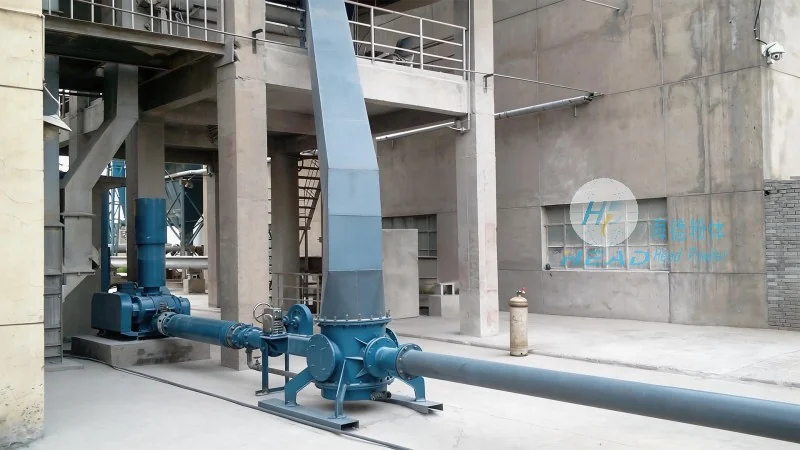
Pneumatic conveying is a widely used method for transporting fly ash due to its ability to handle fine powders and its flexibility in layout. This system operates by using compressed air to move material through a pipeline. There are two main types of pneumatic conveying: pressure and vacuum. Pressure systems use positive pressure to push material forward, while vacuum systems use negative pressure to pull material. The selection between these depends on the distance and the amount of material to be conveyed. Pneumatic systems are particularly effective for short to medium distances and can handle high volumes of fly ash. However, they require careful maintenance of air filters and may have higher energy consumption compared to other methods.
2. Hydraulic Conveying Systems
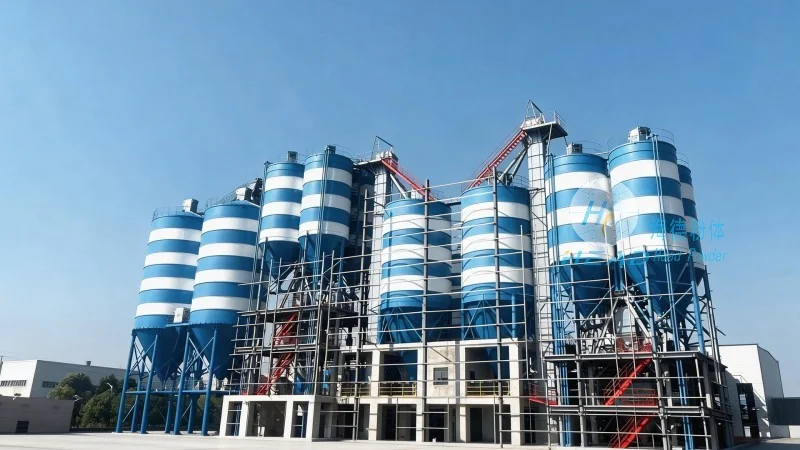
Hydraulic conveying, also known as slurry transport, involves mixing fly ash with water to form a slurry, which is then pumped through pipelines. This method is suitable for long-distance transport and can handle larger particles than pneumatic systems. The primary advantage of hydraulic conveying is its ability to transport material over significant distances with relatively low energy consumption. However, it requires additional equipment for slurry preparation and separation, and the system must be designed to prevent clogging and corrosion. The water content in the slurry also needs to be managed to avoid environmental issues, such as water pollution.
3. Mechanical Conveying Systems
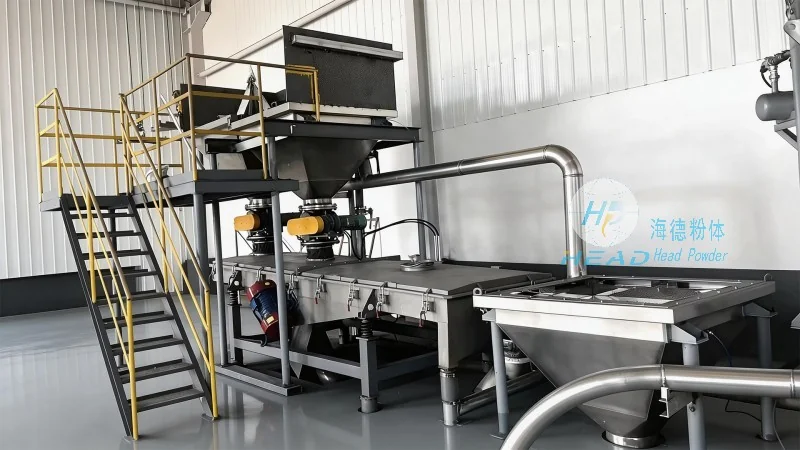
Mechanical conveying systems utilize mechanical components like belts, screws, and buckets to transport fly ash. These systems are commonly used for short to medium distances and are particularly effective for handling bulk materials with higher moisture content. Belt conveyors are widely used in industrial settings due to their simplicity and low maintenance. Screw conveyors are ideal for vertical or inclined transport and can handle materials with varying particle sizes. Bucket elevators are used for vertical transport and are suitable for high-capacity applications. Mechanical systems are generally more cost-effective for short distances but may not be suitable for fine powders or materials with high moisture content.
4. Combination Conveying Systems
In many industrial applications, a single conveying method may not be sufficient to meet all requirements. Combination systems, which integrate multiple technologies, are often used to optimize performance. For example, a pneumatic system may be used for the initial transport of fly ash from the source to a central point, followed by a mechanical conveyor for the final delivery to storage or processing facilities. This approach combines the advantages of each method, such as the flexibility of pneumatic transport with the reliability of mechanical systems. Combination systems are particularly useful for complex layouts and varying material characteristics.
Conclusion and Recommendations
When selecting a fly ash conveying method, it is crucial to consider the specific requirements of the application, including distance, material properties, and operational constraints. Pneumatic systems are suitable for short to medium distances and fine powders, while hydraulic systems are better for long distances and larger particles. Mechanical systems are cost-effective for short distances but may not handle fine powders well. Combination systems offer flexibility and can be tailored to meet specific needs. Shandong HeadPowder Engineering Co., Ltd. provides comprehensive engineering solutions for fly ash conveying, including system design, equipment selection, and installation. Their expertise ensures that the chosen conveying method is optimized for efficiency, safety, and environmental compliance.




