When it comes to transporting cement clinker, selecting the right conveying method is crucial for efficiency, cost-effectiveness, and operational reliability. Various options exist, each with its own set of advantages and limitations. This article explores common cement clinker conveying methods, with a focus on the superior performance and features of HeadPowder's pneumatic clinker conveying system.
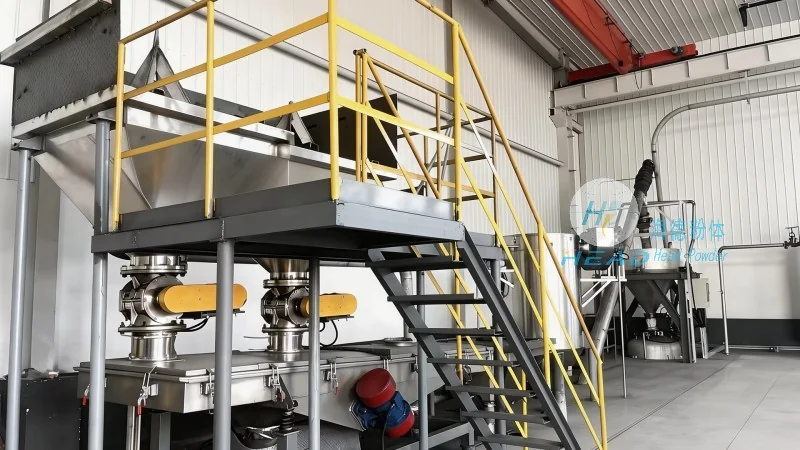
Overview of Cement Clinker Conveying Methods
Cement clinker, a key raw material in cement production, requires reliable and efficient transportation from the clinker cooler to storage silos or for further processing. The primary methods used in the industry include gravity conveyors, mechanical conveyors (such as belt conveyors and screw conveyors), and pneumatic conveying systems. Each method has distinct characteristics that make it suitable for different operational scenarios.
Gravity Conveying Systems
Gravity conveyors utilize the natural force of gravity to move clinker from one elevation to another. These systems typically consist of inclined chutes or troughs that allow clinker to flow downward under the influence of gravity. While simple in design and low in maintenance, gravity conveyors have significant limitations. They are only effective when the clinker is moving from a higher to a lower level, and they cannot handle vertical or horizontal distances efficiently. Additionally, they are prone to blockages and require regular cleaning to maintain performance. For applications requiring long horizontal distances or complex layouts, gravity conveyors are often insufficient.
Mechanical Conveying Systems
Mechanical conveyors, including belt conveyors and screw conveyors, are widely used in cement plants due to their robustness and ability to handle large volumes of material. Belt conveyors use a continuous belt to transport clinker horizontally or at a slight incline, while screw conveyors employ a rotating screw to move material through a tube. These systems are capable of covering longer distances and can be integrated into existing plant infrastructure. However, mechanical conveyors have several drawbacks. They require significant space for installation, are prone to wear and tear, and can be noisy. Maintenance costs are higher compared to pneumatic systems, and they may not be suitable for dusty or abrasive clinker, as the components are exposed to direct contact with the material. Moreover, mechanical conveyors can cause material degradation due to friction and impact, which may affect the quality of the clinker.
Pneumatic Conveying Systems: The Superior Choice
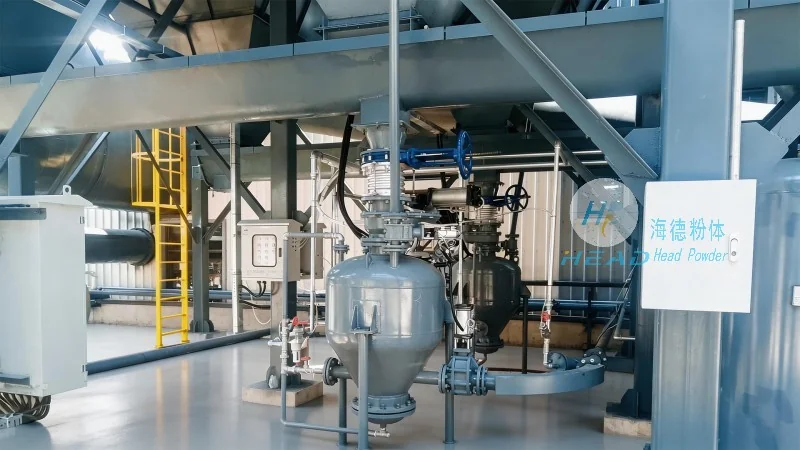
Among the various conveying methods, pneumatic conveying systems have emerged as the preferred solution for cement clinker transportation, especially in modern cement plants. Pneumatic systems use compressed air to transport clinker through a network of pipes, offering several advantages over traditional methods. HeadPowder's pneumatic clinker conveying system is designed to address the specific challenges faced by cement manufacturers, providing enhanced efficiency, flexibility, and reliability.
Key Advantages of HeadPowder's Pneumatic Clinker Conveying System
HeadPowder's pneumatic clinker conveying system offers a range of advantages that make it ideal for cement production facilities. The system is capable of handling high volumes of clinker with minimal maintenance, ensuring consistent performance over extended periods. One of the primary benefits is its ability to transport clinker over both horizontal and vertical distances without the need for complex infrastructure. This flexibility allows for more efficient plant layouts and reduces the overall footprint of the conveying system.
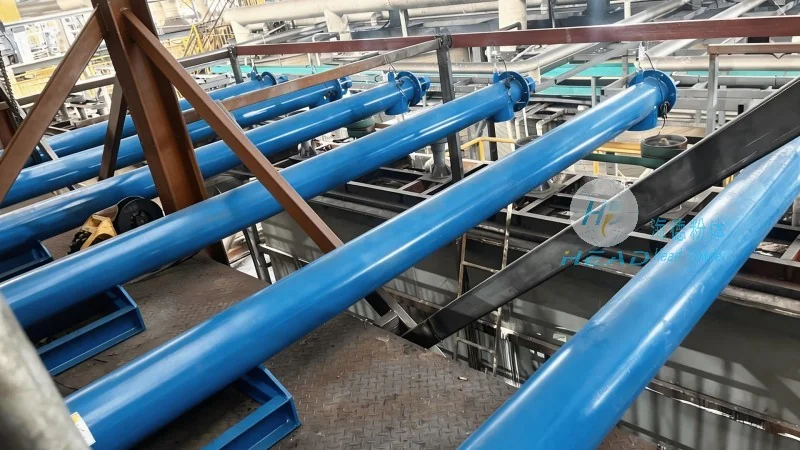
The system also features advanced control mechanisms that optimize air pressure and flow rates, ensuring energy efficiency and reducing operational costs. HeadPowder's technology incorporates high-quality materials and components, such as corrosion-resistant pipes and durable clinker feeders, which enhance the system's longevity and reduce replacement costs. Additionally, the pneumatic system is less susceptible to blockages compared to mechanical conveyors, as the clinker is suspended in air, minimizing the risk of material buildup and downtime.
Customization and Scalability
HeadPowder understands that cement plants have diverse operational requirements. Therefore, their pneumatic clinker conveying system is highly customizable to meet specific needs. The system can be scaled to accommodate varying clinker volumes, from small-scale production to large industrial facilities. This scalability ensures that the conveying solution is suitable for both new plant installations and upgrades to existing systems. HeadPowder's engineering team works closely with clients to design a tailored solution that aligns with their production capacity, space constraints, and budgetary considerations.
Operational Reliability and Maintenance
Reliability is a critical factor in cement production, as downtime can result in significant financial losses. HeadPowder's pneumatic clinker conveying system is engineered for high reliability, with features that minimize the risk of failures. The system includes automatic cleaning mechanisms and sensors that detect blockages or air pressure fluctuations, allowing for immediate intervention and preventing system shutdowns. Regular maintenance is simplified due to the modular design of the components, which can be easily accessed and serviced without disrupting the entire conveying operation.
Compared to mechanical conveyors, the pneumatic system requires less frequent maintenance, as there are no moving parts in direct contact with the clinker. This reduces the likelihood of wear and tear and extends the service life of the equipment. HeadPowder provides comprehensive maintenance services and spare parts support to ensure that clients can maintain optimal performance of their conveying system. The company's commitment to quality and customer support ensures that clients receive timely assistance and solutions to any operational challenges.
Conclusion
In conclusion, the choice of cement clinker conveying method significantly impacts the efficiency and profitability of cement production. While gravity and mechanical conveyors have their uses, pneumatic conveying systems, particularly those offered by HeadPowder, provide superior performance and reliability. HeadPowder's pneumatic clinker conveying system is designed to meet the demanding requirements of modern cement plants, offering flexibility, energy efficiency, and low maintenance. By investing in a high-quality pneumatic conveying system, cement manufacturers can enhance their operational efficiency, reduce costs, and ensure consistent production quality. HeadPowder's expertise and commitment to innovation make them a trusted partner for cement clinker transportation solutions.




