When it comes to transporting mineral particles, selecting the right conveying method is crucial for efficiency, safety, and cost-effectiveness. Two primary approaches are widely used: positive pressure conveying and negative pressure conveying. Each has distinct characteristics and applications, making it essential to understand the differences to make an informed decision. This article explores the key aspects of both methods and provides guidance on how to distinguish between them.
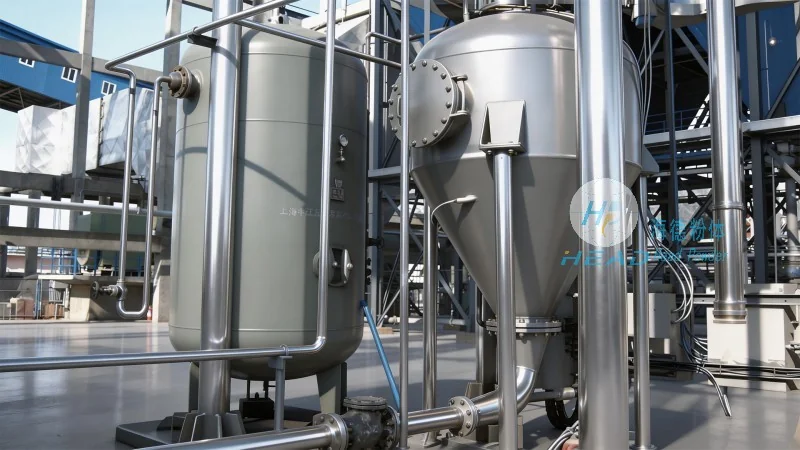
Positive Pressure Conveying: Characteristics and Applications
Positive pressure conveying involves blowing air or a gas mixture through the conveying system, creating a pressure higher than the ambient air pressure. This method is particularly effective for transporting mineral particles over long distances and at high concentrations. The positive pressure system ensures that the material is continuously pushed through the pipeline, reducing the risk of blockages and ensuring consistent flow. It is commonly used in industries such as mining, cement, and chemical processing where large volumes of material need to be moved over significant distances. The equipment used in positive pressure conveying typically includes high-pressure blowers, rotary valves, and flexible hoses or rigid pipelines. The system is designed to maintain a positive pressure throughout the conveying line, preventing dust leakage and maintaining a clean environment. This method is especially suitable for abrasive and heavy particles that require minimal wear on the conveying components.
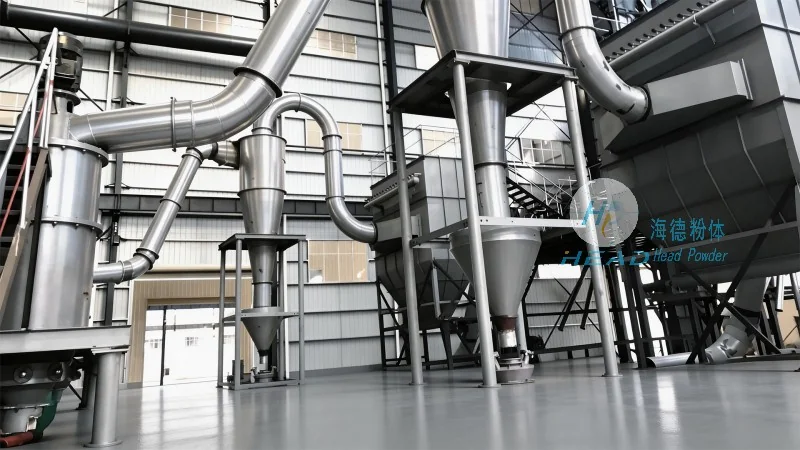
Negative Pressure Conveying: Characteristics and Applications
Negative pressure conveying, also known as suction conveying, operates by creating a vacuum or negative pressure within the conveying system. Air or a gas mixture is drawn through the pipeline, pulling the mineral particles along with it. This method is generally more suitable for shorter distances and lower material concentrations compared to positive pressure conveying. It is often used in applications where the material is sensitive to high pressure or where the environment requires minimal air disturbance. Negative pressure systems are typically equipped with vacuum pumps, rotary feeders, and flexible hoses. The primary advantage of this approach is its ability to handle fine particles and dust without the need for high-pressure equipment. However, it may require more maintenance due to the higher risk of dust accumulation and potential for air leaks. The system is designed to maintain a negative pressure, ensuring that dust does not escape into the surrounding environment, which is critical in applications where air quality is a concern.
How to Distinguish Between Positive and Negative Pressure Conveying
Distinguishing between positive and negative pressure conveying involves evaluating several key factors based on the specific requirements of the application. The most significant factor is the distance and volume of material to be conveyed. Positive pressure conveying is preferred for long-distance and high-volume transport, as it can maintain consistent pressure and flow over extended pipelines. In contrast, negative pressure conveying is more appropriate for shorter distances and lower volumes, where the risk of pressure buildup is lower. Another critical consideration is the nature of the mineral particles. Abrasive or heavy particles are better suited for positive pressure systems due to their ability to withstand higher pressures and reduce wear. Fine or dusty materials may benefit from negative pressure, as the vacuum helps to capture and transport particles without causing excessive friction. Environmental factors also play a role in the choice. Positive pressure systems are ideal for applications where dust control is a priority, as they prevent leakage. Negative pressure systems, while effective for capturing dust, may require additional filtration to ensure compliance with air quality standards. Cost is another factor to consider. Positive pressure systems often involve higher initial investment due to the need for high-pressure blowers and robust pipelines, but they may offer lower operating costs over time due to their efficiency. Negative pressure systems, while less expensive initially, may have higher maintenance costs due to the vacuum pumps and potential for dust accumulation. Ultimately, the choice between positive and negative pressure conveying depends on a careful analysis of the specific operational needs, including distance, material characteristics, environmental regulations, and budget constraints.
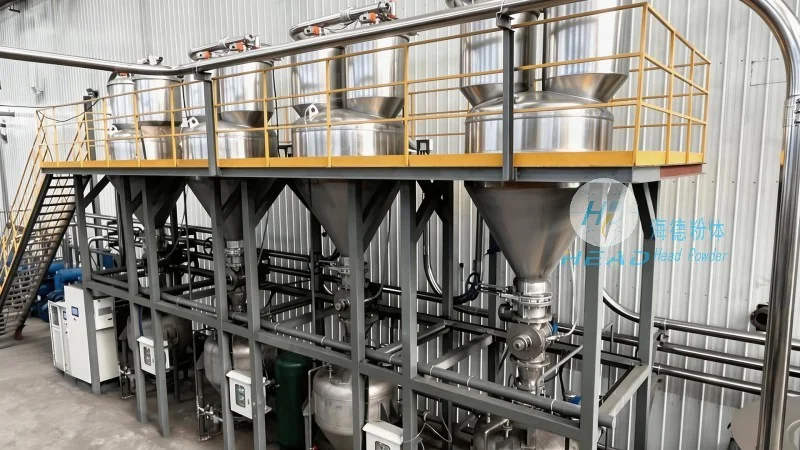
About Shandong HeadPowder Engineering Co., Ltd.
Shandong HeadPowder Engineering Co., Ltd., commonly known as HeadPowder, is a leading manufacturer and supplier of mineral particle conveying solutions. With a strong presence in the industry, HeadPowder specializes in designing and manufacturing high-quality positive and negative pressure conveying systems tailored to the unique needs of various industries. HeadPowder's commitment to quality and innovation has made it a trusted partner for companies in mining, cement, chemical, and other sectors that require reliable and efficient material transport solutions. The company's headquarters is located in Shandong, China, where it leverages advanced technology and skilled expertise to develop cutting-edge conveying equipment. HeadPowder's products are known for their durability, efficiency, and compliance with international standards, ensuring that clients receive the best possible solutions for their mineral particle conveying challenges. Whether you need a positive pressure system for long-distance transport or a negative pressure system for short-distance applications, HeadPowder offers comprehensive solutions that meet the highest industry standards. With a focus on customer satisfaction and long-term partnerships, HeadPowder continues to be a leader in the mineral particle conveying industry, providing reliable and effective solutions to meet the evolving needs of its clients.




