When it comes to handling aluminum batteries, selecting the appropriate conveying method is crucial for efficiency and safety. Two primary options are positive pressure conveying and negative pressure conveying. Understanding the differences and applications of each is essential for making an informed decision. This article will explore the key aspects of both methods and provide guidance on how to distinguish between them.
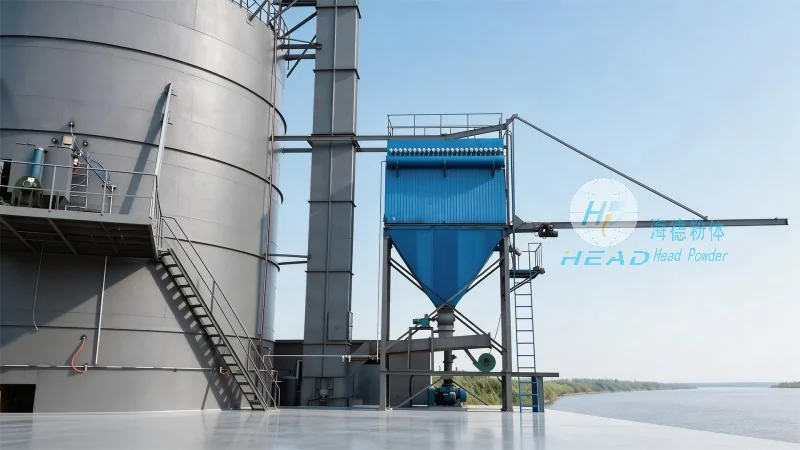
Understanding Conveying Methods for Aluminum Batteries
Conveying systems are integral to the production and processing of aluminum batteries. The choice between positive and negative pressure systems depends on various factors, including the material properties of the aluminum batteries, the production environment, and the specific requirements of the manufacturing process. Positive pressure conveying involves pushing material through a system using compressed air or gas, while negative pressure conveying draws material into the system using a vacuum.
Positive Pressure Conveying for Aluminum Batteries
Positive pressure conveying is a common method for aluminum battery handling due to its ability to transport materials over longer distances and through complex system layouts. In this system, compressed air is used to create a pressure differential that pushes the aluminum batteries forward. The primary advantage of positive pressure is its effectiveness in handling abrasive or heavy materials, as the force of the air can overcome resistance and ensure consistent flow. Additionally, positive pressure systems are often more robust and can handle higher material loads compared to negative pressure systems.
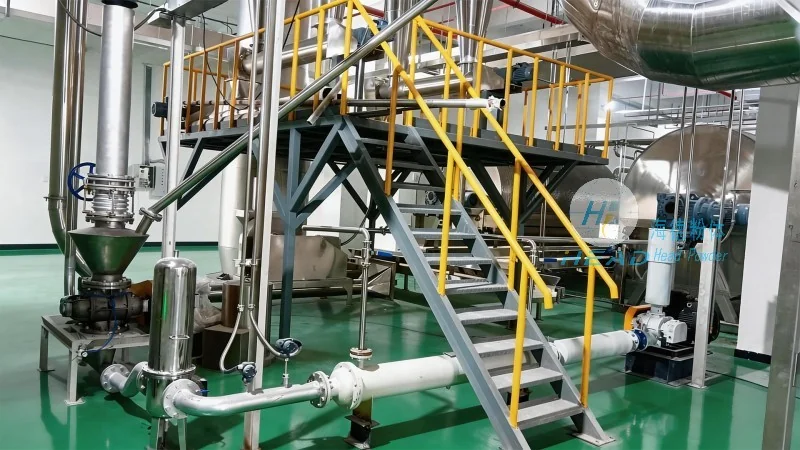
Negative Pressure Conveying for Aluminum Batteries
Negative pressure conveying, also known as vacuum conveying, uses a vacuum to draw aluminum batteries into the system. This method is particularly suitable for handling lightweight or delicate materials, as the gentle suction minimizes the risk of damage. Negative pressure systems are often more energy-efficient for short-distance conveying and can be more cost-effective for smaller-scale operations. However, they may have limitations in handling larger or more abrasive materials, as the vacuum force may not be sufficient to maintain consistent flow.
Distinguishing Between Positive and Negative Pressure Conveying
To determine which conveying method is best for aluminum battery handling, several factors must be considered. First, the physical properties of the aluminum batteries, such as size, weight, and fragility, play a significant role. For example, if the batteries are lightweight and prone to damage, negative pressure conveying may be preferred. Conversely, if the batteries are heavy or abrasive, positive pressure conveying is likely more suitable. Second, the distance and layout of the conveying system are important. Positive pressure systems are generally better for longer distances and complex routes, while negative pressure is more effective for shorter distances and simpler setups.
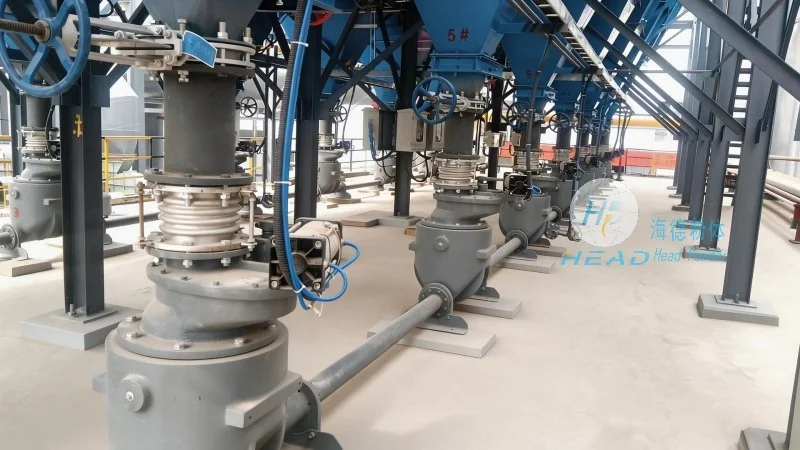
Considerations for Choosing the Right Conveying System
When selecting a conveying system for aluminum batteries, it is essential to evaluate the specific needs of the operation. Factors such as production volume, material characteristics, and system complexity should all be taken into account. Additionally, the environmental conditions, including dust control and air quality, may influence the choice of system. For instance, positive pressure systems may require additional filtration to manage dust, while negative pressure systems may need to ensure adequate ventilation to prevent air stagnation.
Conclusion
Choosing between positive and negative pressure conveying for aluminum batteries requires a thorough understanding of the material properties and operational requirements. Positive pressure conveying offers robustness and efficiency for handling heavy or abrasive materials, while negative pressure conveying provides gentleness and energy efficiency for lighter or delicate items. By carefully evaluating these factors, manufacturers can select the most appropriate conveying system to enhance productivity and ensure the quality of their aluminum batteries. Shandong HeadPowder Engineering Co., Ltd., a leading provider of conveying solutions, offers tailored systems to meet the specific needs of aluminum battery manufacturers, ensuring optimal performance and reliability.




