When it comes to transporting bentonite, a crucial decision involves selecting the appropriate method—whether to use positive pressure or negative pressure systems. This choice significantly impacts efficiency, cost, and operational safety. Understanding the distinctions between these two approaches is essential for optimizing bentonite handling processes in various industrial applications.
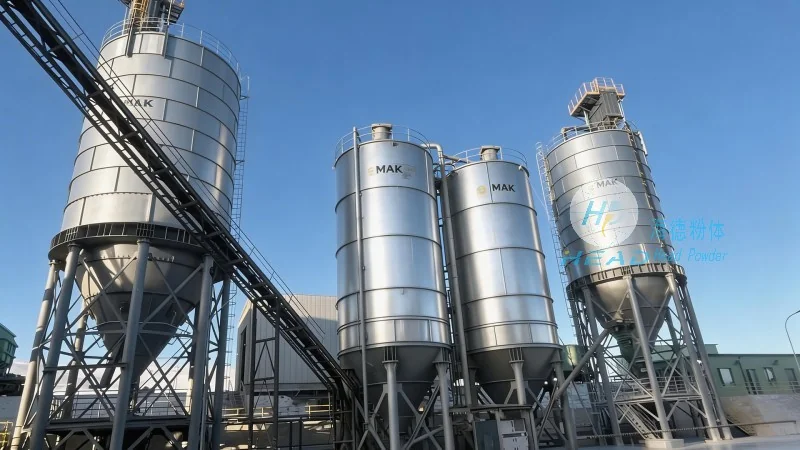
Understanding Bentonite and Its Transportation Needs
Bentonite is a natural clay mineral widely used in industries such as oil and gas, construction, and pharmaceuticals due to its unique properties, including high swelling capacity and excellent thixotropy. Its transportation requires specialized equipment and methods to maintain product integrity and prevent contamination. The choice between positive and negative pressure systems depends on several factors, including the nature of the bentonite, the distance of transport, and the desired flow characteristics.
Positive Pressure Transportation Systems
Positive pressure systems operate by forcing air or gas into the transport line, creating a pressure differential that propels the bentonite forward. This method is particularly effective for transporting dry or powdery bentonite over long distances. The primary advantage of positive pressure is its ability to maintain a consistent flow rate, even in vertical or inclined pipelines. It also reduces the risk of clogging by ensuring continuous movement of the material. However, positive pressure systems may require more energy to maintain the pressure, and they can be more complex to install and maintain. The equipment typically includes blowers, compressors, and pressure regulators, which are essential for controlling the flow and pressure levels.
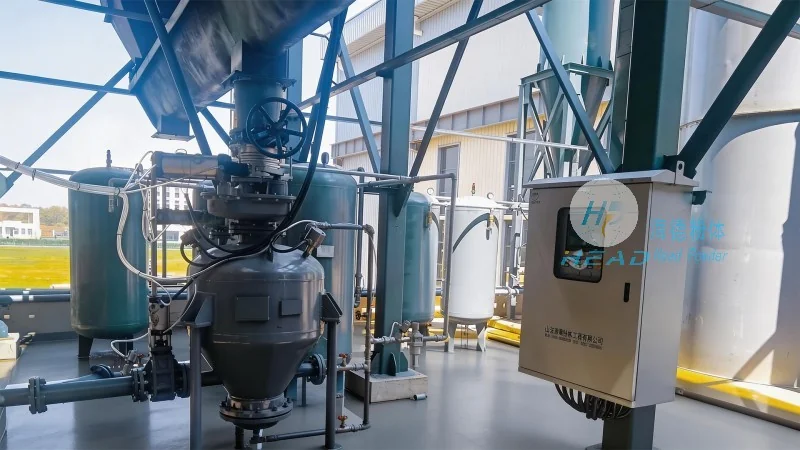
Negative Pressure Transportation Systems
Negative pressure systems, also known as vacuum systems, create a partial vacuum in the transport line, drawing the bentonite into the system. This approach is often used for transporting wet or slurry bentonite, as it can handle higher moisture content without clogging. The main benefit of negative pressure is its lower energy consumption compared to positive pressure, as it relies on the natural movement of the material under vacuum. Additionally, negative pressure systems are generally simpler to set up and require less maintenance. However, they may not be suitable for long-distance transport or for materials with low flowability, as the vacuum can lead to uneven flow or air entrapment.
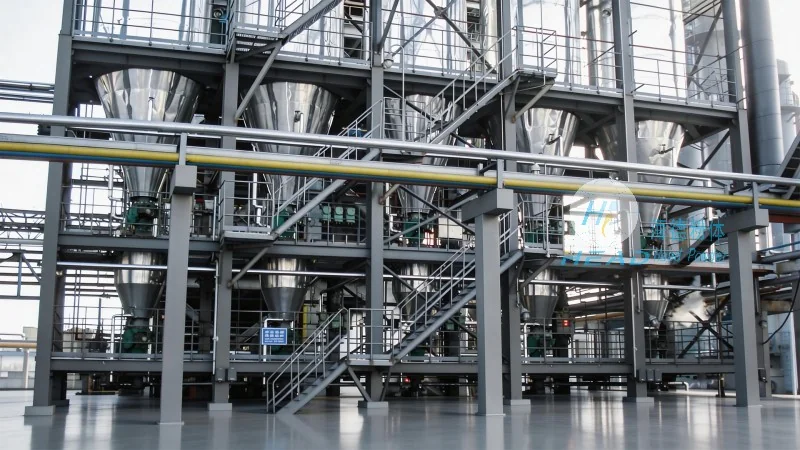
Key Factors to Consider When Choosing Between Systems
Several critical factors should be evaluated when deciding between positive and negative pressure for bentonite transportation. The first is the physical properties of the bentonite, such as its moisture content, particle size, and flowability. Dry, fine bentonite is better suited for positive pressure systems, while wet or slurry bentonite may benefit from negative pressure. The second factor is the distance and layout of the transport route. Positive pressure is ideal for long horizontal or vertical runs, whereas negative pressure may be more appropriate for shorter, horizontal or slightly inclined pipelines. Third, operational costs and energy efficiency play a significant role. Positive pressure systems may have higher energy costs due to the need for continuous compression, while negative pressure systems can be more economical for shorter distances. Finally, safety considerations are essential. Positive pressure systems require proper ventilation to prevent dust accumulation, while negative pressure systems must ensure that the vacuum does not create a risk of material suction or air leakage.
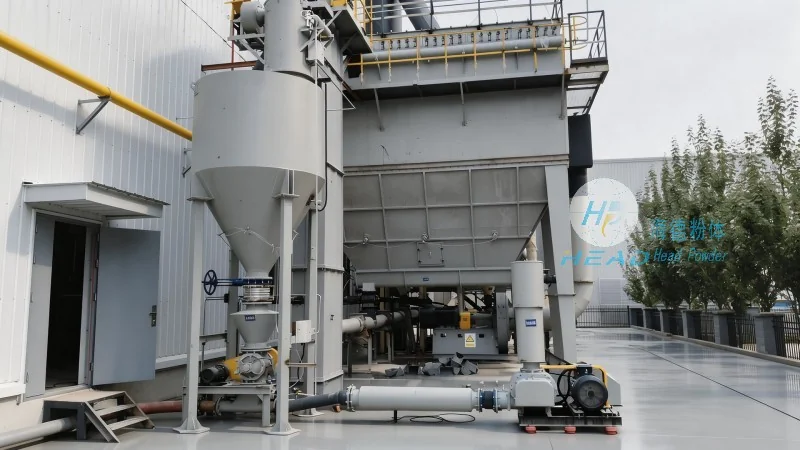
Applications and Case Studies
The choice between positive and negative pressure systems is often determined by the specific application. For example, in oil and gas operations, positive pressure systems are commonly used to transport bentonite for drilling mud preparation, as they can maintain a consistent flow rate over long pipelines. In contrast, negative pressure systems may be preferred in pharmaceutical manufacturing, where the bentonite is used as a thickening agent in liquid formulations and needs to be transported without excessive shear. Shandong HeadPowder Engineering Co., Ltd., a leading manufacturer of bentonite processing equipment, offers customized solutions tailored to these needs. The company’s expertise in designing and installing both positive and negative pressure systems ensures that clients receive the most efficient and cost-effective solution for their specific bentonite transportation requirements.
Conclusion
Choosing between positive pressure and negative pressure for bentonite transportation requires a thorough analysis of the material properties, transport distance, and operational constraints. Positive pressure systems offer consistent flow and are suitable for long-distance transport of dry bentonite, while negative pressure systems are more energy-efficient and ideal for wet or slurry bentonite over shorter distances. By understanding these distinctions and considering the specific requirements of the application, industries can optimize their bentonite handling processes, reducing costs and improving overall efficiency. Shandong HeadPowder Engineering Co., Ltd. remains committed to providing high-quality, reliable equipment and solutions that meet the diverse needs of bentonite transportation in various sectors.




