Sodium chlorate is a widely used chemical in various industrial applications, including pulp and paper production, textile processing, and water treatment. The efficient and safe transport of this substance is crucial for maintaining operational efficiency and ensuring compliance with safety regulations. When it comes to transporting sodium chlorate, two primary methods are commonly considered: positive pressure systems and negative pressure systems. Understanding the differences between these approaches and the factors that influence their selection is essential for optimizing the transport process. This article aims to provide a comprehensive guide to help decision-makers choose the most suitable transport method for sodium chlorate, with a focus on practical considerations and industry best practices.
Introduction to Sodium Chlorate Transport Methods
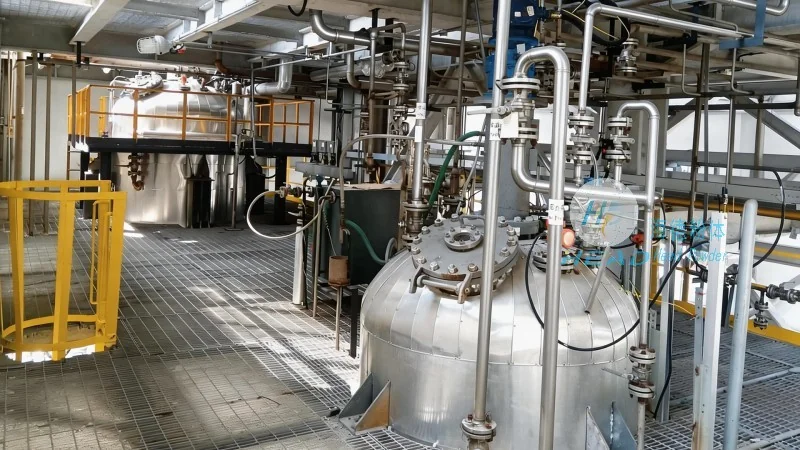
Sodium chlorate (NaClO₃) is a white crystalline solid that is highly soluble in water and can be corrosive under certain conditions. Its transport requires specialized equipment and systems to prevent leaks, spills, and exposure to personnel. The choice between positive pressure and negative pressure transport depends on several factors, including the nature of the material, the distance of transport, the required flow rate, and the environmental and safety constraints of the facility. Both positive and negative pressure systems have their advantages and limitations, and selecting the right one can significantly impact the overall performance and safety of the operation.
Understanding Positive Pressure and Negative Pressure Systems
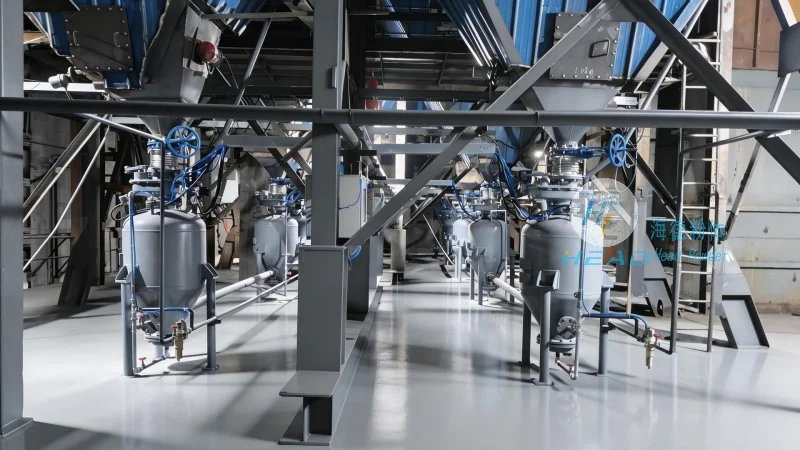
A positive pressure system operates by pressurizing the entire transport line, including the pump, pipes, and storage vessels, to a pressure higher than the surrounding ambient air. This ensures that any potential leaks or openings are sealed, preventing the escape of sodium chlorate and air from the system. In contrast, a negative pressure system maintains a pressure lower than the ambient air within the transport line, which draws the sodium chlorate from the source into the system while preventing external air from entering. Each system has distinct characteristics that make it suitable for different applications.
Key Factors Influencing the Choice of Transport Method
Several key factors must be evaluated when deciding between positive and negative pressure for sodium chlorate transport. The first consideration is the material's properties, such as its reactivity and potential for corrosion. Sodium chlorate can be reactive with certain metals and materials, so the system must be constructed from compatible components to avoid contamination or degradation. The second factor is the distance and elevation changes during transport. Positive pressure systems are often preferred for longer distances or when there are significant elevation changes, as they can maintain consistent pressure and flow. Negative pressure systems, on the other hand, may be more suitable for shorter distances or when the source is at a higher elevation than the destination.
The third factor is the required flow rate and system capacity. Positive pressure systems can handle higher flow rates and larger volumes, making them ideal for high-demand applications. Negative pressure systems, while capable of handling moderate flow rates, may be more suitable for smaller-scale operations or when precise control over the flow is necessary. Additionally, the environmental and safety regulations of the facility must be considered. Some regions may have stricter requirements for containment and leak prevention, which can influence the choice of system. Finally, the cost and maintenance requirements of each system should be evaluated. Positive pressure systems may require more robust components and higher energy consumption, while negative pressure systems may have lower initial costs but may need more frequent maintenance to ensure proper operation.
Application Scenarios and Practical Considerations
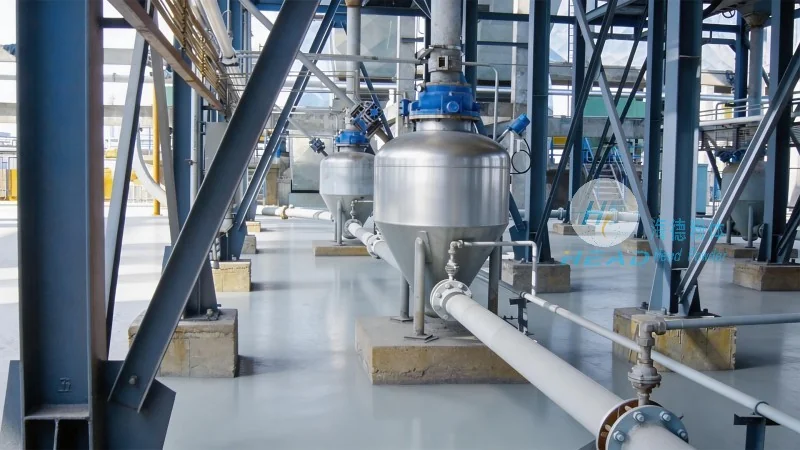
Real-world applications of sodium chlorate transport often involve a combination of factors that guide the selection of the appropriate system. For example, in a pulp and paper mill, where sodium chlorate is used as a bleaching agent, a positive pressure system may be preferred due to the need for high flow rates and the presence of elevation changes in the plant. The system would typically include a pump, pressure vessels, and piping made from corrosion-resistant materials like stainless steel or polyethylene. In contrast, a textile processing facility might use a negative pressure system for transporting sodium chlorate to a treatment tank, as the distance is shorter and the flow rate is lower. The negative pressure system would be designed with a vacuum pump and a sealed transport line to prevent air contamination and ensure accurate dosing.
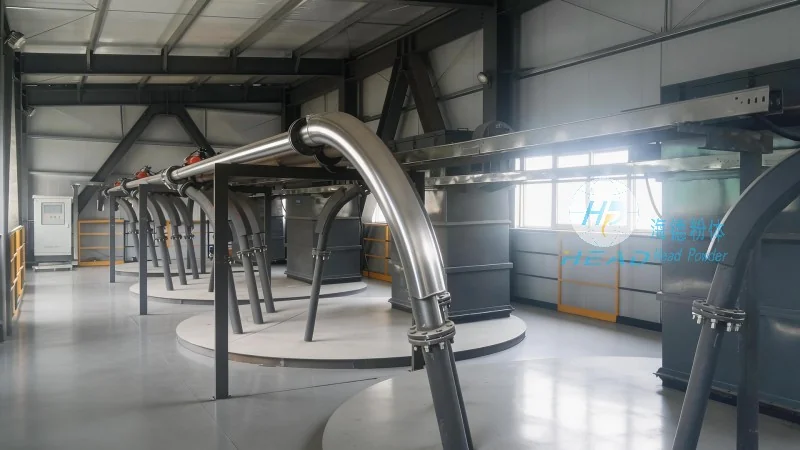
Another practical consideration is the impact of temperature and humidity on the system. Sodium chlorate can be hygroscopic, meaning it absorbs moisture from the air, which can affect its properties and the transport process. Both positive and negative pressure systems must be designed to handle temperature variations and prevent moisture buildup. This may involve using insulated piping, moisture traps, or desiccant systems to maintain the integrity of the sodium chlorate. Additionally, the system must be equipped with safety features such as pressure relief valves, emergency shut-off valves, and leak detection sensors to ensure that any issues are identified and addressed promptly.
Conclusion and Company Overview
Choosing between positive pressure and negative pressure for sodium chlorate transport is a critical decision that requires careful evaluation of various factors. The right choice depends on the specific application, material properties, operational requirements, and safety regulations. By understanding the differences between these systems and considering the key factors outlined above, decision-makers can select the most suitable transport method to ensure efficient, safe, and cost-effective operation. Shandong HeadPowder Engineering Co., Ltd. (headpowder), a leading provider of chemical engineering solutions, specializes in designing and manufacturing transport systems tailored to the unique needs of sodium chlorate applications. With years of experience in the industry, headpowder offers customized solutions that meet the highest standards of safety and performance. The company's headquarters is located in Shandong, China, and it serves clients globally with expertise in chemical processing and material handling. Whether you are considering a new transport system or upgrading an existing one, headpowder provides the expertise and support needed to optimize your sodium chlorate transport operations.




