When it comes to transporting magnesia powder, selecting the right conveying method is crucial for ensuring efficiency, safety, and cost-effectiveness. Two primary approaches are widely used: positive pressure conveying and negative pressure conveying. Understanding the differences between these two systems is essential for making an informed decision that aligns with operational requirements. This article explores the key characteristics of each method, helping you distinguish between them and choose the most suitable option for your magnesia powder handling needs.
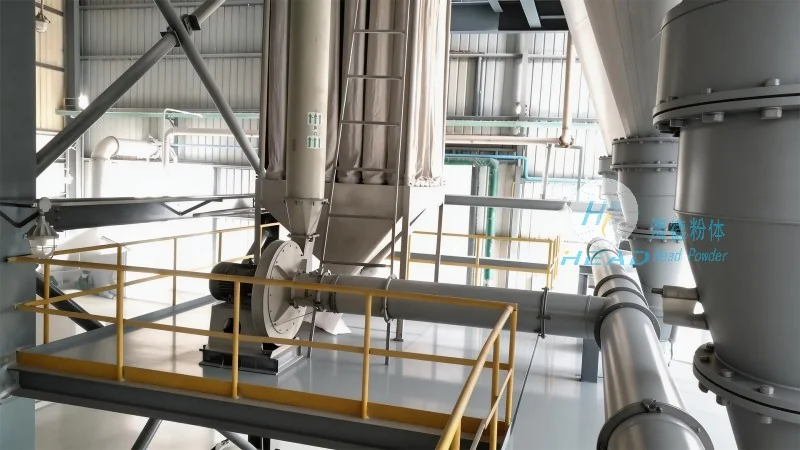
Understanding Positive Pressure Conveying
Positive pressure conveying, also known as pressure-fed or forced-air conveying, operates by blowing air or a gas mixture into the material to move it through the system. In this method, a positive pressure is maintained within the conveyor line, ensuring that the material is pushed forward. This approach is particularly effective for materials that are prone to dusting or caking, as the pressurized air helps to keep the powder in a fluidized state, preventing blockages and ensuring consistent flow.
For magnesia powder, which can be fine and potentially abrasive, positive pressure systems often use high-pressure blowers or fans to generate the necessary force. The equipment typically includes a hopper, a rotary valve, and a pipeline system designed to handle the pressure. This method is commonly used in applications where the material needs to be conveyed over longer distances or through multiple bends, as the positive pressure helps to maintain the material's velocity and prevent settling.
Understanding Negative Pressure Conveying
Negative pressure conveying, also called suction or vacuum conveying, works by creating a vacuum in the material line, which draws the powder into the system. The vacuum is generated by a vacuum pump, and the material is pulled through the pipeline as the air is extracted. This method is generally more suitable for shorter conveying distances and for materials that are less prone to dusting, as the suction process can sometimes cause the material to become more aerated and potentially lead to dust issues if not properly controlled.
In the case of magnesia powder, negative pressure systems may use a vacuum pump to create the necessary suction force. The equipment typically includes a hopper with a vent, a rotary valve, and a pipeline system designed to handle the vacuum. This method is often preferred for applications where the material needs to be collected from a source and transported to a processing unit, as the suction action can help to minimize spillage and ensure a clean transfer.
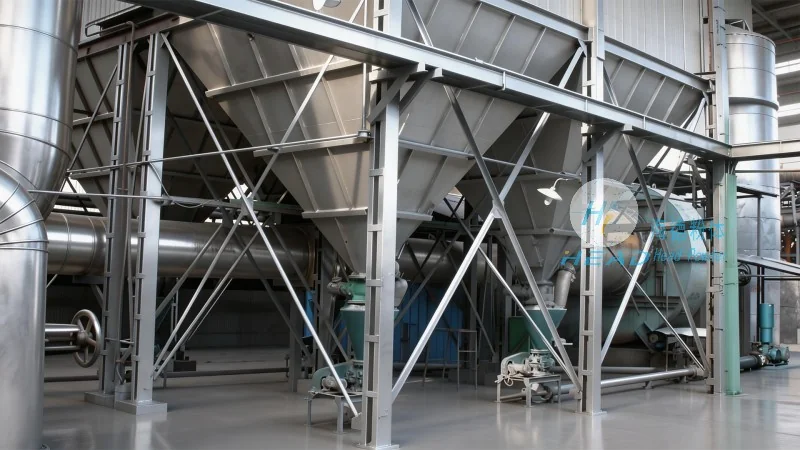
Distinguishing Between Positive and Negative Pressure Conveying
The primary distinction between positive and negative pressure conveying lies in the direction of air flow and the pressure differential within the system. Positive pressure systems rely on an external force to push the material, while negative pressure systems rely on suction to pull the material. This fundamental difference affects the equipment design, operational costs, and the suitability for different material characteristics.
For magnesia powder, the choice between the two methods depends on several factors, including the particle size, moisture content, and the distance the material needs to be conveyed. Fine powders like magnesia are often more challenging to handle, and positive pressure systems may offer better control over dust and flow, especially when dealing with longer conveying distances or multiple transfer points. Conversely, negative pressure systems may be more appropriate for shorter distances or when the material is less prone to caking, as they can be more energy-efficient and simpler to install.
Factors to Consider When Choosing a Conveying System
When deciding between positive and negative pressure conveying for magnesia powder, several key factors should be evaluated. First, the distance and layout of the conveying system are critical. Longer distances typically favor positive pressure systems due to their ability to maintain material velocity over extended pipelines. Shorter distances or systems with multiple bends may benefit from negative pressure, as the suction can help to maintain flow without the need for high-pressure blowers.
Second, the material properties of magnesia powder, such as its fineness, moisture content, and tendency to clog, play a significant role. Fine powders with high dust potential may require positive pressure systems with effective dust control measures, such as cyclones or filters, to prevent environmental contamination and ensure compliance with safety regulations. Conversely, materials with lower dust generation may be suitable for negative pressure systems, provided that proper filtration is in place to capture any airborne particles.
Third, operational costs and energy efficiency are important considerations. Positive pressure systems generally consume more energy due to the need for high-pressure blowers, while negative pressure systems may be more energy-efficient for shorter distances. However, the overall cost-effectiveness depends on the specific application and the total conveying distance. Additionally, maintenance requirements and equipment durability should be assessed, as both systems require regular upkeep to ensure reliable operation.
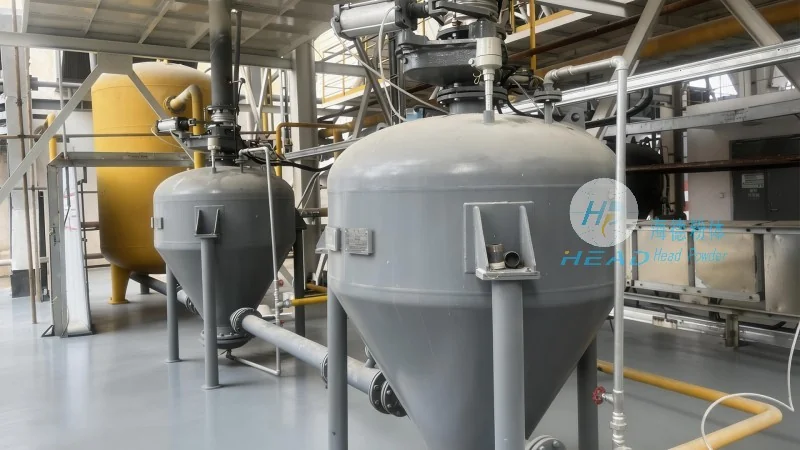
HeadPowder's Solutions for Magnesia Powder Conveying
Shandong HeadPowder Engineering Co., Ltd., a leading provider of material handling solutions, offers advanced conveying systems tailored to the unique needs of magnesia powder applications. With years of experience in the industry, HeadPowder understands the challenges associated with handling fine, abrasive materials like magnesia and provides customized solutions that optimize performance and efficiency.
For positive pressure conveying, HeadPowder's systems utilize high-efficiency blowers and robust pipeline designs to ensure consistent material flow over longer distances. The company's equipment is engineered to handle the specific characteristics of magnesia powder, including its fine particle size and potential for dusting, with features such as adjustable pressure controls and dust collection systems to maintain a clean and safe operation. These systems are ideal for applications where the material needs to be transported from a central storage to multiple processing units or for long-distance transfers.
For negative pressure conveying, HeadPowder's solutions focus on creating effective suction systems that minimize material loss and ensure a clean transfer. The company's vacuum pumps and pipeline designs are optimized for shorter conveying distances and for handling materials with lower dust potential. HeadPowder's systems include advanced filtration and dust control mechanisms to comply with environmental regulations and to protect the health of operators. These solutions are particularly suitable for applications where the material needs to be collected from a source and transported to a processing unit with minimal spillage.
HeadPowder's commitment to quality and innovation is reflected in its use of durable materials and advanced technology in all its conveying systems. The company's products are designed to withstand the abrasive nature of magnesia powder and to provide reliable operation over extended periods. By partnering with HeadPowder, businesses can ensure that their magnesia powder conveying systems are optimized for efficiency, safety, and cost-effectiveness, regardless of whether they choose a positive or negative pressure approach.




