When it comes to transporting resin powders in industrial applications, selecting the right conveying method is crucial for efficiency, safety, and operational reliability. Two primary approaches are widely used: positive pressure conveying and negative pressure conveying. Understanding the differences between these systems is essential for making an informed decision that aligns with specific process requirements. This article will explore the key characteristics of both positive and negative pressure systems, helping you distinguish between them and choose the most suitable option for your resin powder handling needs.
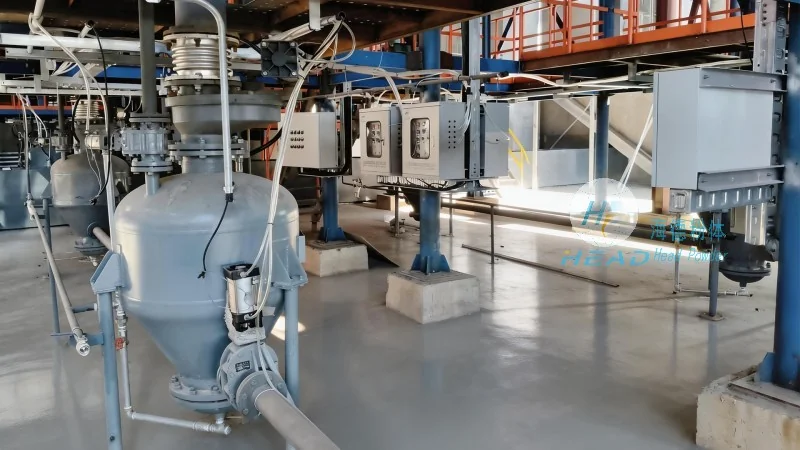
Understanding Positive Pressure Conveying for Resin Powders
Positive pressure conveying systems operate by blowing air or a carrier gas into the material to move it through the pipeline. This method is often preferred for applications involving abrasive or corrosive powders, as it minimizes material degradation and reduces the risk of product contamination. The system typically includes a blower, a hopper or feeder, and a pipeline network that transports the resin powder to the destination point. Positive pressure systems are generally more suitable for longer conveying distances and can handle a wide range of particle sizes and bulk densities. They also provide better control over the flow rate and pressure, ensuring consistent material delivery. However, these systems may require more maintenance due to the higher pressure and potential for wear on components like the blower and pipeline.
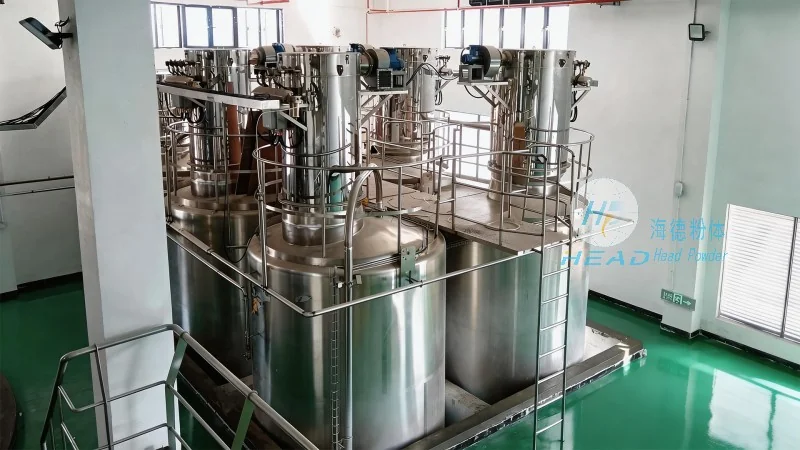
Exploring Negative Pressure Conveying for Resin Powders
Negative pressure conveying, also known as suction or vacuum conveying, works by creating a vacuum in the pipeline to draw the resin powder from the source to the collection point. This method is often used for lighter, less abrasive powders and is particularly effective for short to medium conveying distances. Negative pressure systems are generally more energy-efficient for shorter distances and can handle powders with lower bulk densities. They are also less likely to cause dust emissions compared to positive pressure systems, as the material is drawn rather than blown. However, these systems may have limitations in terms of conveying distance and particle size, as the vacuum pressure can drop with longer pipelines or larger particles. Additionally, they may require more frequent cleaning of the suction hopper and pipeline to prevent clogging.
Distinguishing Between Positive and Negative Pressure Systems
Several factors should be considered when distinguishing between positive and negative pressure conveying systems for resin powders. The first is the conveying distance: positive pressure systems are better suited for longer distances, while negative pressure systems are more efficient for shorter distances. The second is the material properties: abrasive or corrosive powders may benefit from positive pressure due to reduced wear and contamination risks, whereas lighter powders might be better handled by negative pressure. The third is the energy consumption: negative pressure systems are generally more energy-efficient for short distances, while positive pressure systems may require more power but offer better control and reliability for longer runs. Finally, the operational environment and safety considerations should be evaluated, as positive pressure systems may pose higher explosion risks with combustible powders, whereas negative pressure systems can help contain dust and fumes.
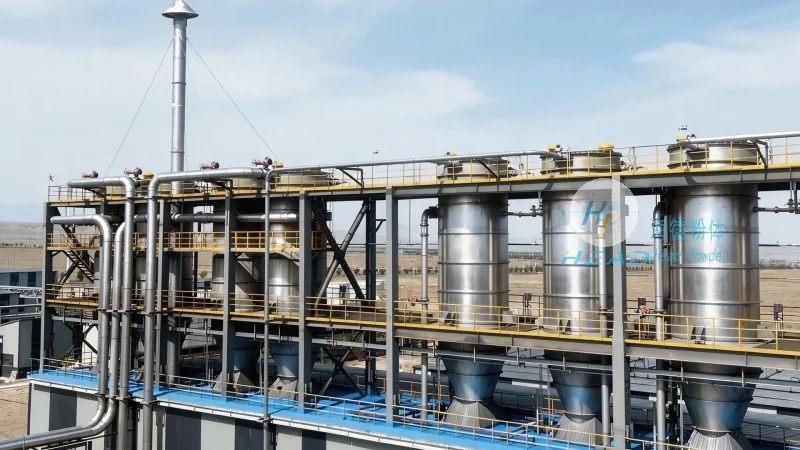
HeadPowder's Expertise in Resin Powder Conveying Solutions
Shandong HeadPowder Engineering Co., Ltd., a leading provider of resin powder handling solutions, specializes in designing and manufacturing customized conveying systems tailored to the unique needs of industrial applications. With years of experience in the field, HeadPowder understands the critical role that proper conveying systems play in ensuring smooth and efficient resin powder processing. The company's team of engineers and technicians work closely with clients to assess their specific requirements, including material characteristics, conveying distances, and operational constraints, to recommend the most appropriate positive or negative pressure system. HeadPowder's solutions are built with high-quality components, ensuring durability, reliability, and compliance with industry standards. The company also offers maintenance and support services to help clients optimize their conveying systems and minimize downtime. By choosing HeadPowder, businesses can benefit from expert guidance and robust equipment that enhances their resin powder handling processes.




