When it comes to transporting polypropylene (PP) pellets, selecting the right conveying method is crucial for efficiency, cost-effectiveness, and operational safety. Two primary approaches dominate the industry: positive pressure conveying and negative pressure conveying. Understanding the differences between these systems is essential for making an informed decision that aligns with specific production requirements. This article explores the key characteristics of each method and provides a practical guide on how to distinguish between them, with a focus on the expertise of Shandong HeadPowder Engineering Co., Ltd. (HeadPowder), a leading provider in the field.
Understanding Positive Pressure Conveying for PP Pellets
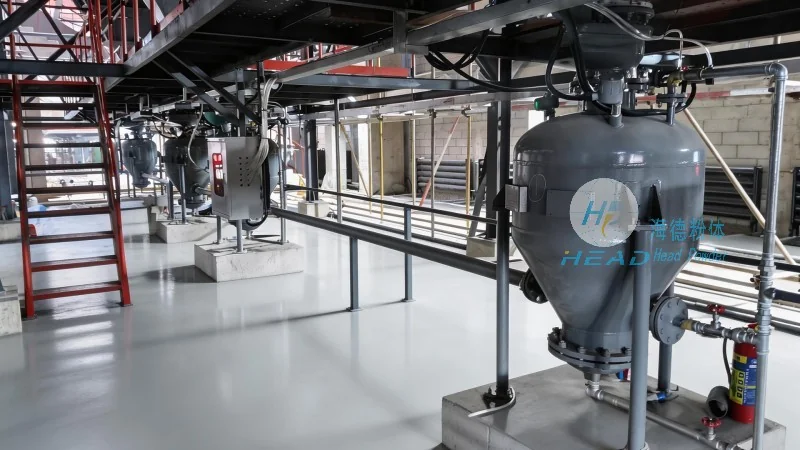
Positive pressure conveying, also known as pressure-fed or forced-air conveying, operates by blowing air or a carrier gas into the conveying line to move the material. In this system, the air pressure is higher than the ambient pressure, creating a positive pressure environment that pushes the pellets forward. This method is particularly effective for conveying materials over long distances or through complex layouts, as it maintains consistent flow rates and minimizes material degradation.
For PP pellets, positive pressure conveying offers several advantages. It can handle abrasive or sticky materials without causing excessive wear on the equipment. The high pressure also helps to prevent dust accumulation and ensures that the material remains dry and free-flowing. Additionally, this system is well-suited for applications where the material needs to be transported at high speeds or through multiple stages of processing.
However, positive pressure conveying also has its limitations. It requires a robust blower or compressor to generate the necessary pressure, which can increase energy consumption and operational costs. The system may also be more prone to leaks, as the high pressure can cause wear on seals and connections over time. Furthermore, the air used in the system must be filtered to prevent contamination, which adds an extra step to the process.
Exploring Negative Pressure Conveying for PP Pellets
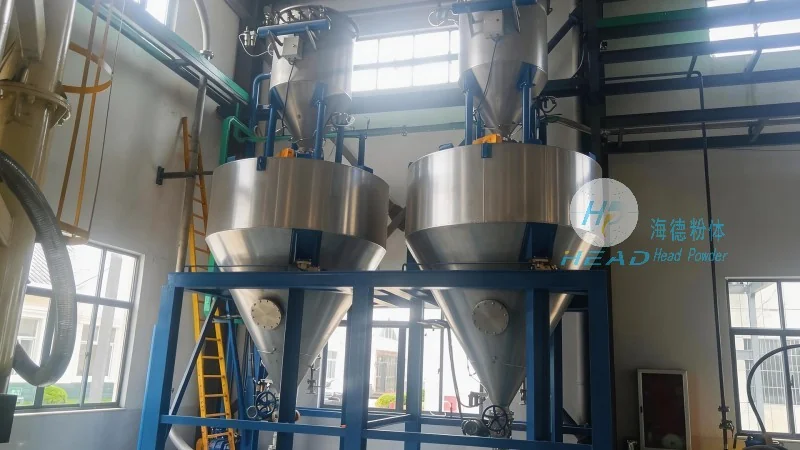
Negative pressure conveying, or vacuum conveying, works by creating a vacuum in the conveying line to draw the material from the source. The ambient air pressure outside the line is higher than the pressure inside, causing the pellets to be pulled into the system. This method is often preferred for short-distance conveying or when the material needs to be collected from multiple points.
For PP pellets, negative pressure conveying presents distinct benefits. It is generally more energy-efficient compared to positive pressure systems, as it relies on the ambient air pressure rather than external power to move the material. This can lead to lower operational costs, especially for smaller-scale applications. The system is also less likely to cause dust or debris to escape, as the vacuum helps to contain the material within the line.
Nevertheless, negative pressure conveying has its own set of challenges. It may not be as effective for long-distance or high-volume conveying, as the vacuum can drop off over distance, leading to reduced flow rates. The system is also more susceptible to clogging, particularly with fine or cohesive materials like PP pellets, which can block the suction line and disrupt the process. Additionally, the vacuum pump must be powerful enough to maintain the required pressure, and regular maintenance is necessary to prevent wear and tear.
Distinguishing Between Positive and Negative Pressure Conveying
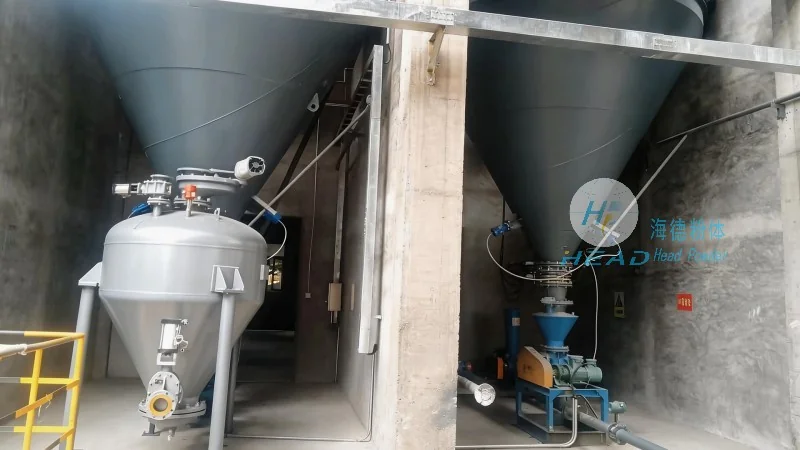
So, how can one determine which conveying method is best for PP pellets? The key lies in evaluating several factors, including the distance to be covered, the volume of material to be transported, the complexity of the system layout, and the specific properties of the PP pellets themselves. Here are some practical guidelines to help make the distinction:
First, consider the distance. Positive pressure conveying is typically recommended for distances exceeding 50 meters, as the pressure can maintain consistent flow over longer runs. For shorter distances, negative pressure conveying may be sufficient and more economical. Second, assess the material characteristics. If the PP pellets are abrasive or prone to sticking, positive pressure conveying may be preferable due to its ability to handle such materials without excessive wear. Conversely, if the material is lightweight and requires gentle handling, negative pressure conveying can provide a more controlled and low-impact transport.
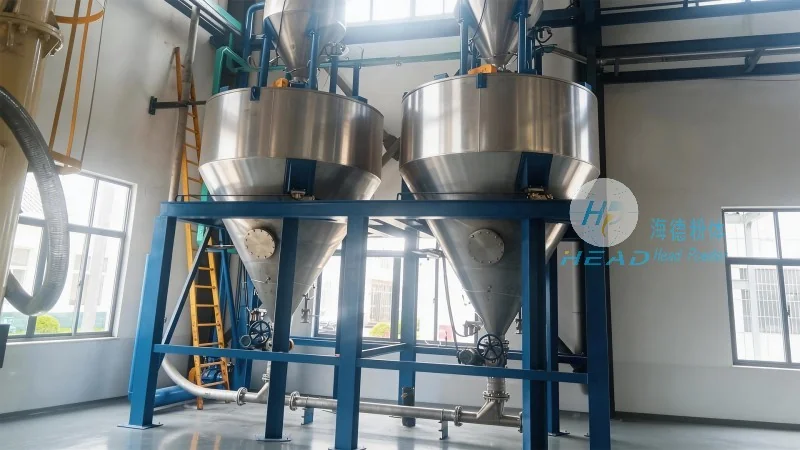
Third, evaluate the system layout. Positive pressure systems are often more suitable for complex layouts with multiple branches or turns, as the high pressure helps to maintain flow through the entire network. Negative pressure systems, on the other hand, may struggle with complex layouts due to the potential for pressure drops and clogging. Fourth, consider the energy requirements. Positive pressure systems generally consume more energy due to the need for high-pressure blowers, while negative pressure systems are more energy-efficient but may require more powerful vacuum pumps.
Ultimately, the choice between positive and negative pressure conveying for PP pellets depends on a careful analysis of these factors. It is essential to consult with experts, such as Shandong HeadPowder Engineering Co., Ltd., who can provide tailored solutions based on specific operational needs and constraints.
Conclusion and Expert Guidance from HeadPowder
Choosing the right conveying method for PP pellets is a critical decision that impacts the efficiency and profitability of any processing operation. By understanding the differences between positive and negative pressure conveying and considering the specific requirements of the application, businesses can select the most suitable system. Shandong HeadPowder Engineering Co., Ltd. specializes in providing comprehensive conveying solutions for various materials, including PP pellets. With years of experience and a commitment to quality, HeadPowder offers expert advice and customized systems that optimize material handling processes. Whether you are dealing with long-distance transport, complex layouts, or specific material properties, HeadPowder can help you make the right choice and ensure smooth, reliable operation.




