

Comparison of Common Pebble Conveying Methods: Advantages and Disadvantages
When it comes to transporting small pebbles or gravel in industrial and construction settings, selecting the right conveying method is crucial for efficiency, cost-effectiveness, and operational safety. This article provides a detailed comparison of common pebble conveying methods, highlighting their advantages and disadvantages to help businesses make informed decisions. The information is presented by Shandong HeadPowder Engineering Co., Ltd., a leading provider of material handling solutions based in China.
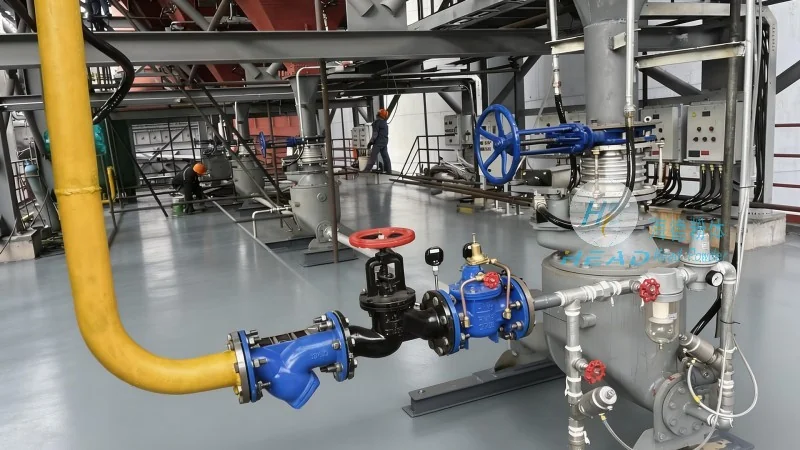
Overview of Pebble Conveying Methods
Pebble conveying involves moving small stones or gravel from one location to another. Common methods include gravity-based systems, mechanical conveyors, pneumatic conveyors, and hydraulic systems. Each method has distinct characteristics that make it suitable for different applications, such as material size, distance, and environmental conditions.
1. Gravity Conveying Systems
Gravity conveying relies on the natural force of gravity to move materials down a sloped path. This method is often used for short distances and when the material is relatively uniform in size. The primary advantage of gravity conveying is its low operational cost, as it requires minimal energy input and no moving parts. However, it is limited by the need for a suitable slope and may not be suitable for long distances or when the material is heavy or irregularly shaped.
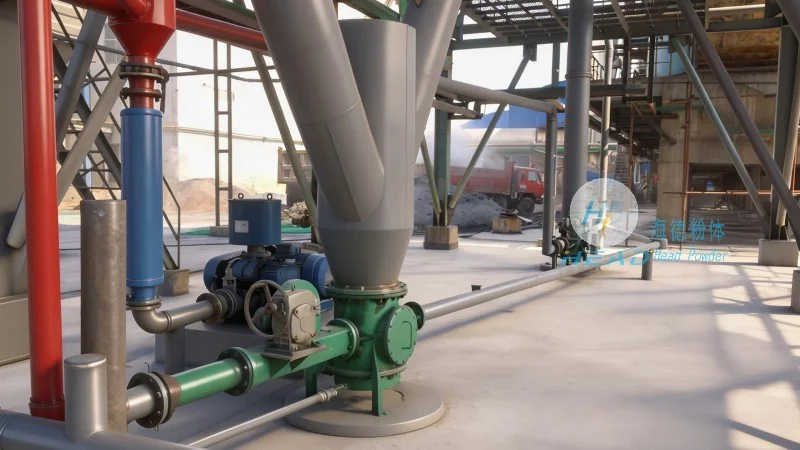
2. Mechanical Conveyors
Mechanical conveyors, such as belt conveyors, screw conveyors, and chain conveyors, are widely used for pebble transportation. Belt conveyors are particularly effective for moving materials over long distances and can handle a wide range of particle sizes. They offer high capacity and are relatively easy to install and maintain. Screw conveyors are ideal for vertical or inclined transport and can handle sticky or cohesive materials. Chain conveyors are suitable for heavy loads and rough materials. The main advantages of mechanical conveyors include high efficiency, reliability, and the ability to handle various material types. However, they require regular maintenance, and the initial investment can be higher compared to other methods.
3. Pneumatic Conveying Systems
Pneumatic conveying uses air pressure to transport materials through a pipeline. This method is suitable for fine or dusty materials but can also be used for small pebbles. The advantages of pneumatic conveying include the ability to transport materials over long distances without the need for multiple transfer points and the flexibility to move materials in multiple directions. It is also relatively easy to integrate with other systems. However, pneumatic conveying can be less efficient for heavy or large particles, and the system requires compressed air, which adds to operational costs.
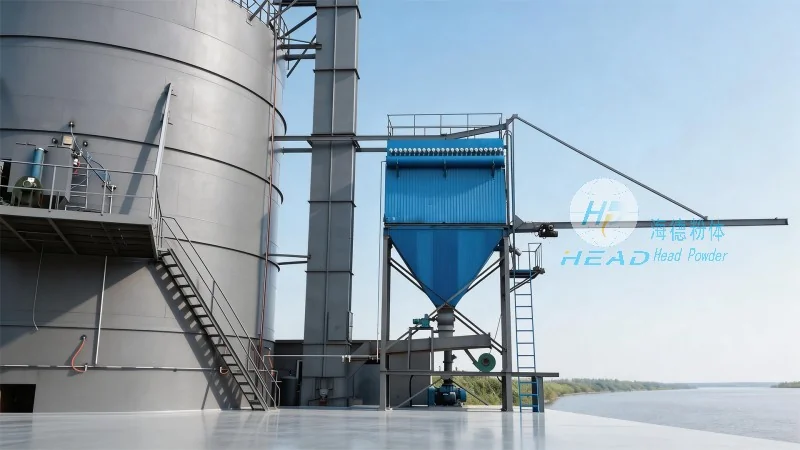
4. Hydraulic Conveying Systems
Hydraulic conveying uses water or other liquids to transport materials. This method is commonly used in mining and construction for transporting sand, gravel, and other materials over long distances. The advantages of hydraulic conveying include high capacity and the ability to handle abrasive materials. It is also relatively simple to operate and maintain. However, hydraulic systems require a constant water supply and can be less efficient for short distances or when the material is lightweight.
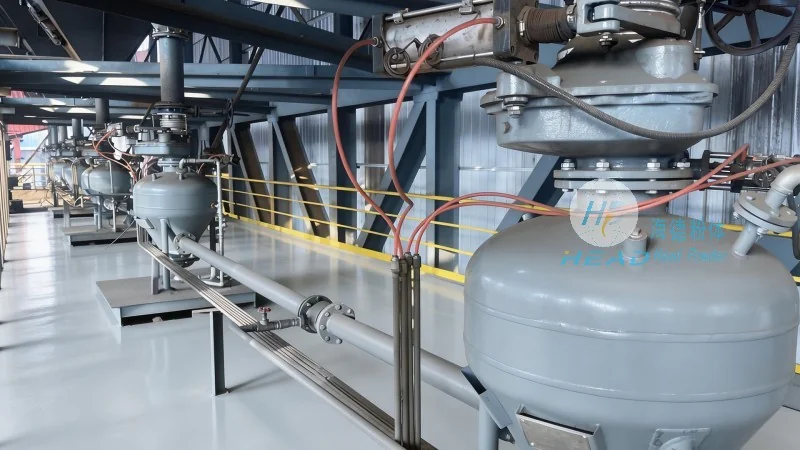
Advantages and Disadvantages Summary
When comparing the different pebble conveying methods, several factors should be considered. Gravity conveying is cost-effective for short distances but limited by slope requirements. Mechanical conveyors offer high efficiency and reliability but require maintenance. Pneumatic systems provide flexibility and long-distance transport but may not be suitable for heavy materials. Hydraulic systems are effective for abrasive materials but need a water supply. The choice of method depends on the specific application, material characteristics, and operational constraints.
Conclusion
Selecting the appropriate pebble conveying method is essential for optimizing material handling processes. By understanding the advantages and disadvantages of each method, businesses can choose the most suitable solution for their needs. Shandong HeadPowder Engineering Co., Ltd. specializes in providing customized material handling solutions, including pebble conveying systems, to meet the diverse requirements of industrial and construction projects. With years of experience and expertise, HeadPowder helps clients improve operational efficiency and reduce costs through innovative and reliable conveying solutions.