

Principles and Working Scene Characteristics of Fully Automatic Weighing Material Conveying
HeadPowder, a leading engineering company based in Shandong, China, specializes in the design and implementation of advanced material handling solutions. This article explores the core principles behind fully automatic weighing material conveying systems and highlights the key characteristics of their application in various industrial settings.
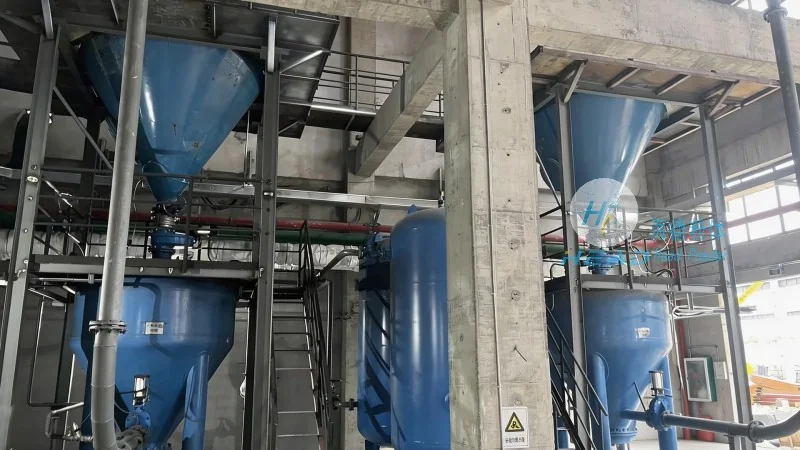
Introduction to Fully Automatic Weighing Material Conveying Systems
Automated weighing material conveying systems represent a sophisticated integration of weighing technology and material handling equipment. These systems are engineered to precisely measure the weight of materials as they move through a production line, enabling real-time monitoring and control of material flow. The primary goal is to enhance operational efficiency, reduce human error, and ensure consistent product quality across different industrial processes.
Working Principles of the System
The operation of a fully automatic weighing material conveying system relies on a combination of mechanical, electrical, and software components. At its core, the system uses load cells or strain gauges to detect the weight of materials placed on a conveyor belt or hopper. These sensors convert the weight into electrical signals, which are then processed by a programmable logic controller (PLC) or a dedicated weighing controller. The controller compares the measured weight against preset targets and adjusts the conveyor speed, feeding rate, or other parameters to maintain the desired weight. This closed-loop control system ensures that the material is conveyed with high accuracy and minimal variance.
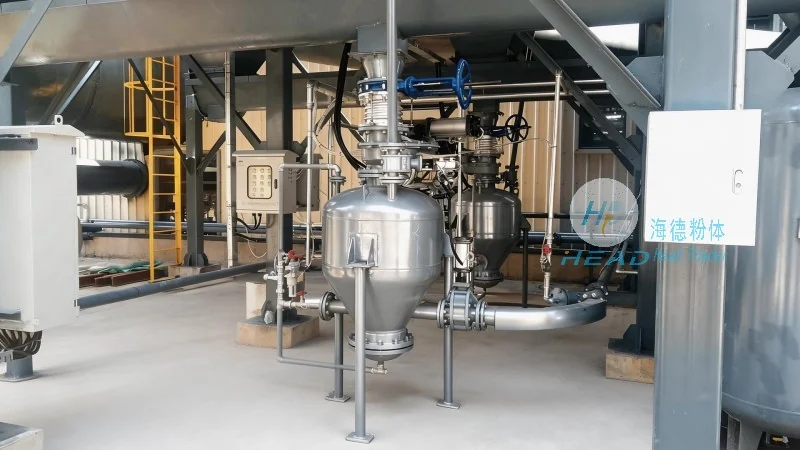
Key Components and Their Functions
Several critical components work in tandem to achieve the system's functionality. First, the weighing platform or conveyor system provides a stable surface for the material to be placed. This platform is equipped with load cells that are strategically positioned to capture the weight data. Next, the control unit, typically a PLC, processes the sensor inputs and executes control commands. It may also interface with other equipment such as feeders, mixers, or packaging machines to coordinate the material flow. Additionally, communication interfaces allow the system to integrate with higher-level management software, enabling data logging and remote monitoring. The entire system is powered by a reliable electrical supply, ensuring continuous operation without interruptions.
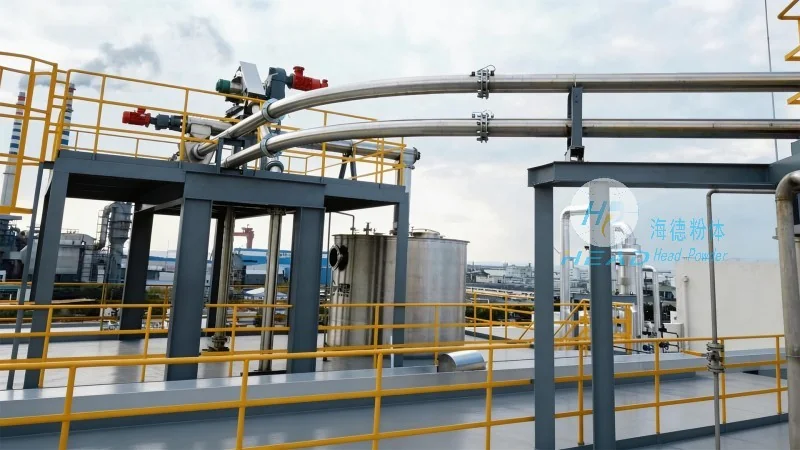
Typical Application Scenarios
These systems find extensive applications across multiple industries, particularly in sectors where precise material measurement is critical. In the chemical industry, for example, fully automatic weighing conveyors are used to transport raw materials such as powders and granules to reactors, ensuring accurate dosing for chemical reactions. The food and beverage sector utilizes these systems for ingredient weighing in production lines, such as flour in baking or sugar in beverage manufacturing. The pharmaceutical industry also relies on such systems for the precise weighing of active pharmaceutical ingredients (APIs) and excipients, maintaining compliance with stringent quality standards. In addition, the system is commonly employed in the mining and construction sectors for the handling of bulk materials like ores and aggregates, where efficiency and safety are paramount.
Advantages in Practical Applications
The implementation of fully automatic weighing material conveying systems offers several tangible benefits in real-world industrial settings. Firstly, enhanced accuracy is a key advantage, as the system minimizes human intervention and reduces the likelihood of measurement errors. This leads to consistent product quality and reduced waste. Secondly, increased operational efficiency is achieved through automated control, which allows for faster material throughput and reduced downtime. Thirdly, safety improvements are realized by eliminating manual handling of heavy or hazardous materials, thereby lowering the risk of workplace accidents. Finally, cost savings are realized through reduced labor requirements and lower material losses, contributing to overall operational cost reduction.