When it comes to efficient and reliable soil transport in construction and engineering projects, selecting the right method is crucial. Various technologies are available, each with its own set of benefits and limitations. This article provides a detailed comparison of common soil transport methods, helping professionals make informed decisions based on project requirements and operational needs.
Overview of Soil Transport Methods
Soil transport involves moving earth materials from one location to another, often as part of excavation, construction, or environmental remediation activities. The choice of transport method depends on factors such as soil type, distance, volume, and site conditions. Key methods include pipeline transport, screw conveyors, belt conveyors, and hydraulic systems. Each method offers unique advantages and challenges that must be considered for optimal performance.
Pipeline Transport: Advantages and Challenges
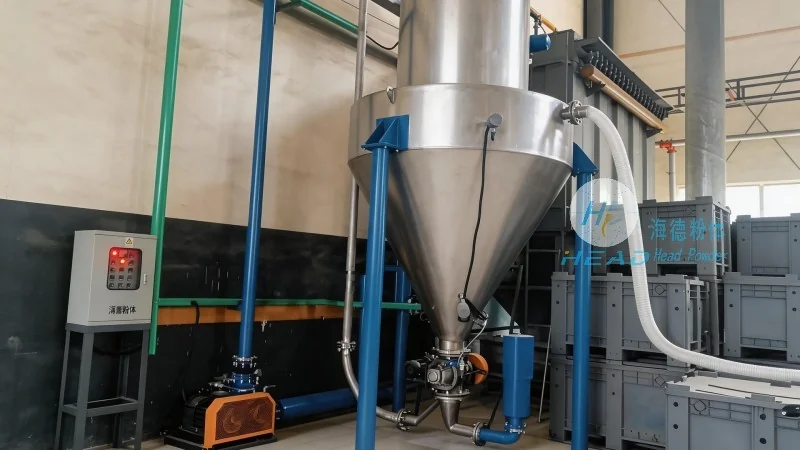
Pipeline transport, also known as slurry transport, is a widely used method for moving soil and other granular materials through a closed system of pipes. This method is particularly effective for long-distance or continuous transport, as it minimizes material loss and contamination. One of the primary advantages of pipeline transport is its ability to handle high volumes of material with minimal labor. It also reduces dust and noise pollution compared to open methods. However, the initial setup cost can be high due to the need for specialized equipment and infrastructure. Additionally, pipeline systems require regular maintenance to prevent clogs and ensure smooth operation. The effectiveness of this method is highly dependent on the consistency of the soil, as overly dry or coarse materials may cause blockages.
Screw Conveyor: Advantages and Limitations
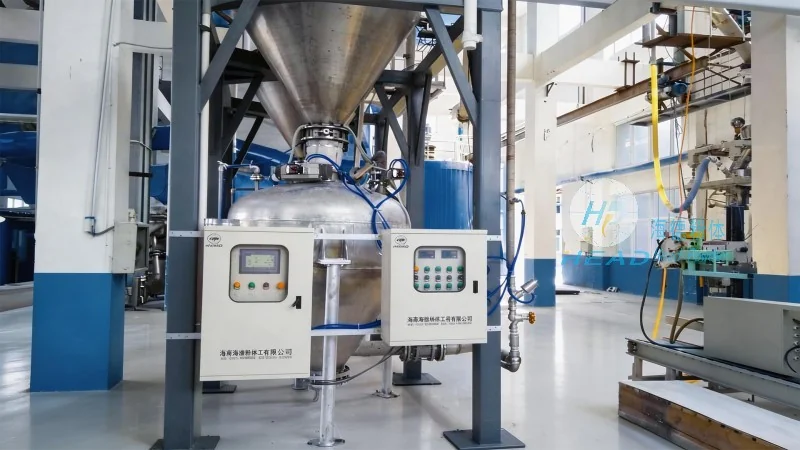
Screw conveyors, or auger conveyors, use a rotating screw to move soil and other bulk materials through a tube or trough. This method is ideal for short to medium distances and is commonly used in construction sites for transporting excavated soil to disposal or processing areas. The main advantage of screw conveyors is their simplicity and low maintenance requirements. They are relatively inexpensive to install and operate, making them a cost-effective solution for many projects. Screw conveyors also provide a compact design that can fit into tight spaces, which is beneficial in urban or constrained environments. However, their capacity is limited compared to other methods, and they may not be suitable for very large volumes of material. Another limitation is that they can cause wear and tear on the screw and housing over time, especially when handling abrasive soils. The speed of material transport is also slower compared to other systems, which may affect project timelines in high-volume operations.
Belt Conveyor: Advantages and Considerations
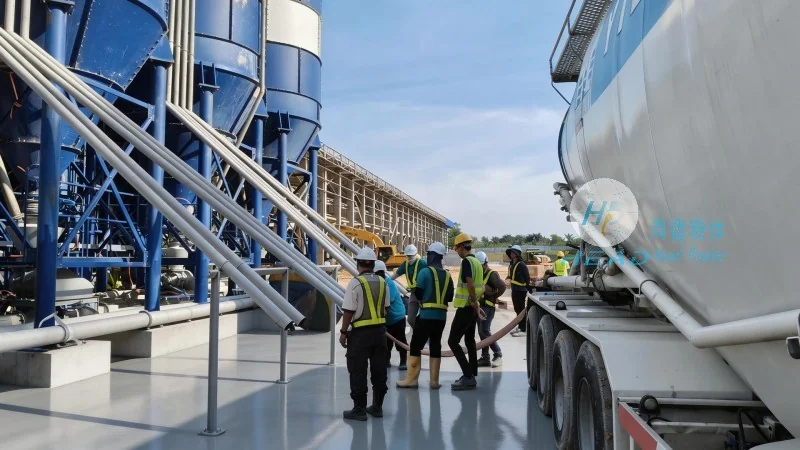
Belt conveyors use a continuous belt to transport soil and other materials over long distances. This method is commonly used in mining and construction for bulk material handling, including soil removal and transport. The primary advantage of belt conveyors is their high capacity and ability to cover long distances without interruption. They can transport large volumes of material efficiently, making them suitable for large-scale projects. Belt conveyors also offer flexibility in terms of layout, as they can be configured in various angles and lengths to suit site conditions. However, they require significant space for installation and may be affected by terrain changes. Maintenance costs can be higher due to the need for regular belt tensioning and replacement. Additionally, belt conveyors are susceptible to material spillage and may require additional containment measures to prevent environmental impact. The initial investment for a belt conveyor system is substantial, which may be a barrier for smaller projects.
Hydraulic Transport: Advantages and Environmental Impact
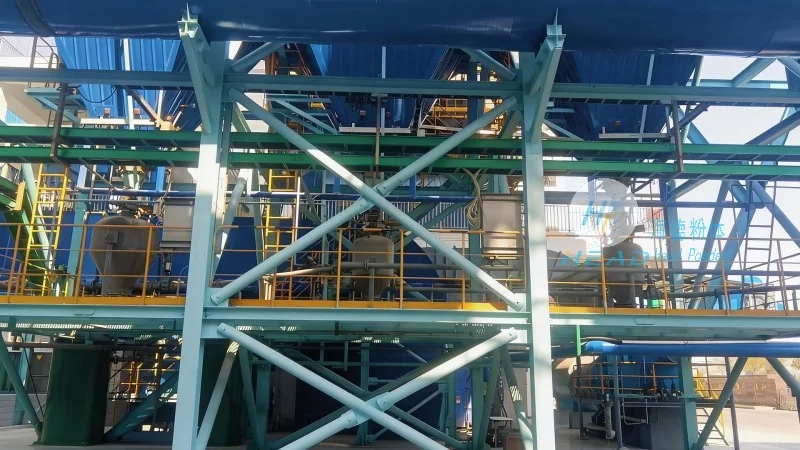
Hydraulic transport involves using water or slurry to move soil through pipes or hoses. This method is often used in underwater or wetland environments, as well as for transporting fine-grained soils that are difficult to handle with other methods. The main advantage of hydraulic transport is its ability to handle highly abrasive or fine materials without causing damage to equipment. It also allows for precise control over the flow rate and direction of material movement. Hydraulic systems are relatively quiet and can operate in confined spaces. However, they require a constant supply of water, which may not be available in all locations. The environmental impact is a significant consideration, as excessive water usage can strain local resources and lead to contamination if not managed properly. Additionally, hydraulic transport may not be suitable for very long distances due to the need for consistent pressure and the risk of clogging from fine particles.
Choosing the Right Soil Transport Method
When selecting a soil transport method, it is essential to evaluate project-specific factors such as soil type, distance, volume, and site constraints. Pipeline transport is ideal for long distances and high volumes, while screw conveyors are better suited for short distances and compact spaces. Belt conveyors offer high capacity for large-scale operations, and hydraulic systems excel in wet or fine-grained environments. Cost, maintenance, and environmental impact should also be considered. For example, a small construction site may benefit from a screw conveyor due to its low cost and simplicity, whereas a large mining operation might require a belt conveyor for its high capacity. Ultimately, the goal is to select a method that maximizes efficiency, minimizes downtime, and ensures compliance with environmental regulations.




