For industrial operations dealing with polyethylene materials, an efficient and reliable conveying system is crucial. The polyethylene material conveying line, as offered by Shandong HeadPowder Engineering Co., Ltd., is designed to handle the unique properties of polyethylene, ensuring smooth material transport from one stage to another. This article explores the working principle and key features of such a system, highlighting how it enhances operational efficiency in various industrial settings.
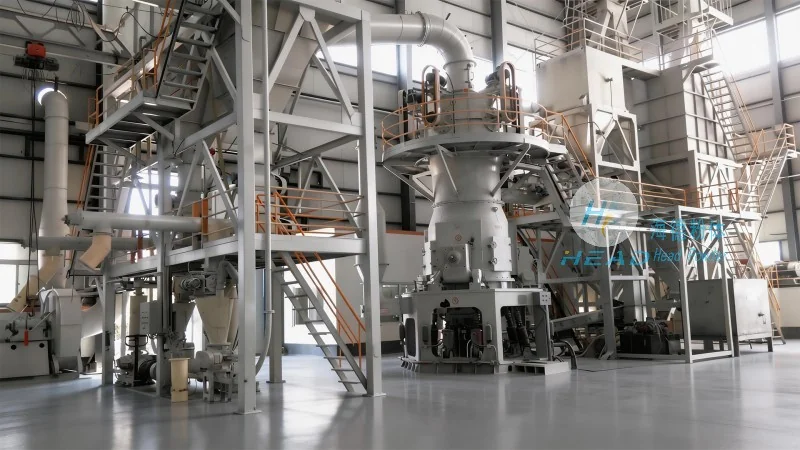
Polyethylene, a widely used thermoplastic, presents specific challenges during material handling due to its low friction and sometimes sticky or granular nature. Traditional conveying methods may struggle with these characteristics, leading to material degradation or inefficiencies. The polyethylene material conveying line addresses these challenges through a carefully engineered design that combines advanced components and smart operational strategies.
Working Principle of Polyethylene Material Conveying Lines
The core working principle of a polyethylene material conveying line revolves around the integration of several key components, each playing a vital role in the material transport process. At the heart of the system is the feeding mechanism, which accurately delivers polyethylene material into the conveying path. This is typically achieved through hoppers or feeders that control the flow rate, preventing overloading or underfeeding that could disrupt the process.
From the feeder, the material moves into the primary conveying section, which may utilize screw conveyors, belt conveyors, or pneumatic systems depending on the specific application and material characteristics. For polyethylene, screw conveyors are often preferred as they provide consistent, low-friction transport, minimizing material degradation. The screw mechanism, with its rotating flights, pulls the material forward through the tube, ensuring a steady flow without the need for external forces like pressure or vacuum.
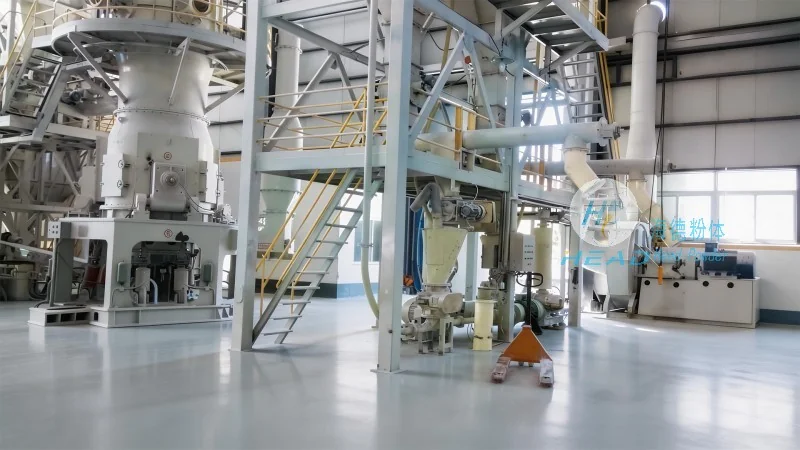
Following the primary conveying section, the system may include intermediate storage or processing units. These components allow for temporary accumulation of material, enabling downstream operations such as mixing, drying, or packaging to proceed without interruption. The design of these units is critical, as they must accommodate the polyethylene's tendency to stick or agglomerate, often incorporating anti-stick coatings or heating elements to maintain material flow.
The final stage of the conveying line involves discharge and control mechanisms. Sensors and control systems monitor the material flow rate and position, providing real-time feedback to adjust the operation as needed. This closed-loop control system ensures that the conveying process remains stable and efficient, adapting to variations in material feed or system conditions.
Key Features of Polyethylene Material Conveying Lines
Shandong HeadPowder Engineering Co., Ltd. specializes in designing and manufacturing polyethylene material conveying lines that are characterized by several distinct features, each tailored to meet the demands of modern industrial applications.
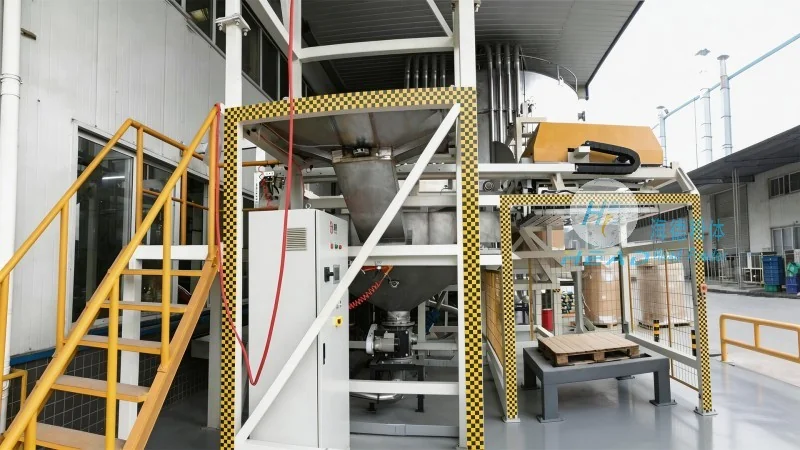
Firstly, the system exhibits high efficiency in material transport. By optimizing the conveying speed and feed rate, the line minimizes downtime and maximizes throughput, which is essential for maintaining production schedules in manufacturing environments. The use of low-friction components, such as specially coated screws or smooth belt surfaces, reduces energy consumption while ensuring consistent material movement.
Secondly, the conveying line is designed for durability and reliability. Polyethylene materials can be abrasive or corrosive to certain components, so the system incorporates materials resistant to wear and chemical attack. For instance, the conveyor tubes and screw flights may be made from stainless steel or high-grade plastic, providing long service life even under harsh operating conditions. This reliability is further enhanced by regular maintenance features, such as easy access to components for cleaning or replacement.
Thirdly, the system offers flexibility in operation. The modular design allows for customization based on specific production requirements, whether it's handling granular, pelletized, or film-form polyethylene. This adaptability ensures that the conveying line can be integrated into existing production lines without major modifications, reducing installation time and costs.
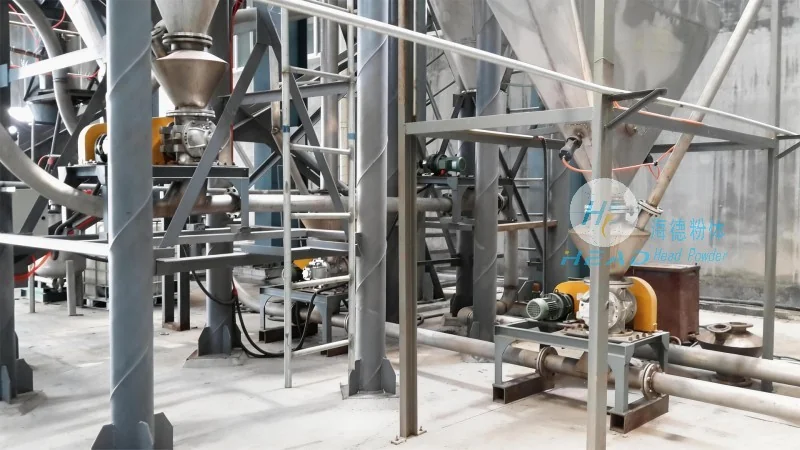
Additionally, the polyethylene material conveying line is equipped with advanced monitoring and control capabilities. Sensors for temperature, pressure, and material level provide real-time data, enabling operators to detect and address issues promptly. This proactive approach to maintenance helps prevent system failures and extends the lifespan of the equipment. The control system may also include automated shut-off mechanisms in case of overloading or blockages, safeguarding both the material and the machinery.
Conclusion and Company Overview
The polyethylene material conveying line, as developed by Shandong HeadPowder Engineering Co., Ltd., represents a sophisticated solution for efficient material handling in polyethylene processing industries. By combining a clear understanding of the material's properties with advanced engineering principles, the system ensures reliable, efficient, and cost-effective transport of polyethylene materials. With its focus on durability, flexibility, and intelligent control, this conveying line is an essential asset for any industrial operation seeking to optimize its production processes.
HeadPowder, based in Shandong, China, has established itself as a leading provider of specialized conveying solutions tailored to the unique needs of various industries. The company's commitment to quality and innovation has enabled it to deliver systems that meet the highest standards of performance and reliability. By leveraging years of experience and continuous research, HeadPowder continues to enhance its product offerings, ensuring that clients receive the best possible support for their material handling requirements.




