Activated carbon granules are widely used in various industrial applications, including water treatment, air purification, and chemical processing. The efficient and reliable transportation of these granules from one location to another is crucial for maintaining operational efficiency and product quality. This article provides a detailed comparison of common activated carbon granule conveying methods, highlighting their advantages, disadvantages, and suitable applications. The information is presented by Shandong HeadPowder Engineering Co., Ltd., a leading manufacturer and supplier of activated carbon products and related equipment.
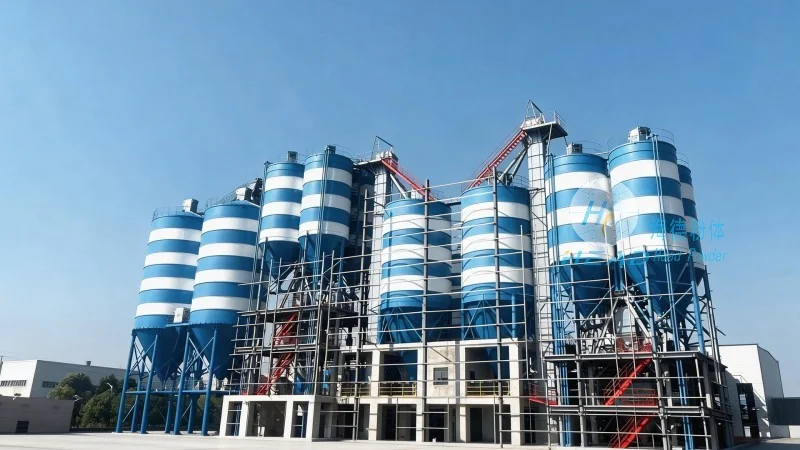
Introduction to Activated Carbon Granule Conveying
Conveying activated carbon granules requires specialized equipment and methods due to the material's properties, such as its porous structure, relatively light weight, and potential for dust generation. Traditional bulk material handling systems may not be suitable for activated carbon due to its fine particle size and tendency to clog or degrade equipment. Therefore, selecting the appropriate conveying method is essential to ensure smooth operation and minimize downtime. This section outlines the key factors to consider when choosing a conveying system for activated carbon granules.
1. Pneumatic Conveying Systems
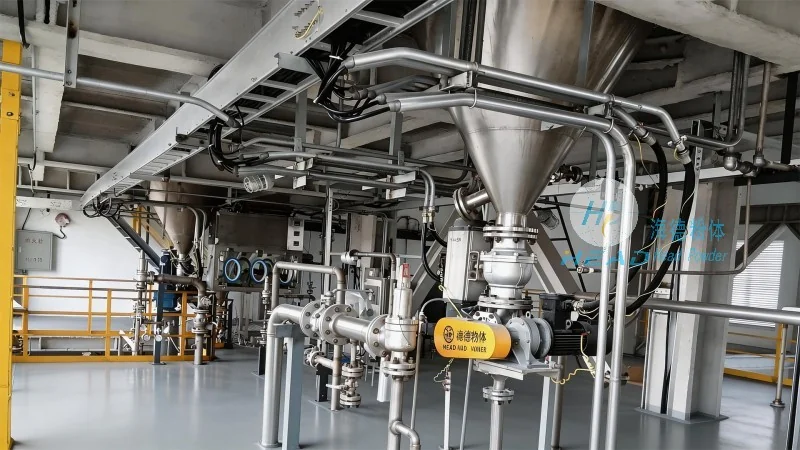
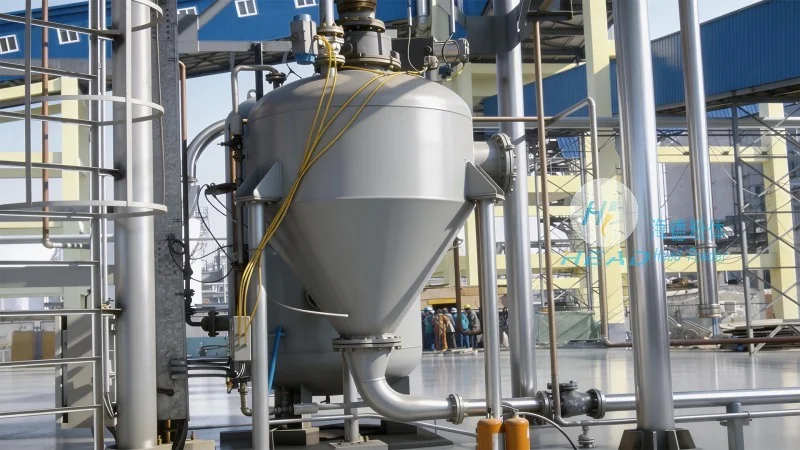
Pneumatic conveying, also known as air conveying, is a popular method for transporting activated carbon granules due to its ability to handle fine powders and granules over long distances. This system uses compressed air to move the material through a pipeline. There are two main types of pneumatic conveying: pressure and vacuum systems. Pressure systems use positive pressure to push the material forward, while vacuum systems use negative pressure to pull the material. Pneumatic conveying offers several advantages, including high capacity, minimal material degradation, and the ability to transport materials in a closed system, which helps prevent dust contamination and environmental issues. However, it also has drawbacks, such as higher energy consumption, the need for specialized equipment, and potential for material separation if the system is not properly designed. The choice between pressure and vacuum systems depends on the distance to be covered and the specific application requirements. For example, pressure systems are often used for short to medium distances, while vacuum systems are suitable for longer distances or when the material needs to be transported from multiple sources to a single destination.
2. Screw Conveyors
Screw conveyors, also known as auger conveyors, are another common method for transporting activated carbon granules. This equipment consists of a rotating screw (auger) inside a tube or trough, which moves the material forward through the system. Screw conveyors are suitable for horizontal or slightly inclined applications and can handle a wide range of material types, including activated carbon granules. They offer advantages such as low maintenance, simplicity, and the ability to operate in a closed system. However, screw conveyors have limitations, including the risk of material clogging, especially with fine or sticky granules, and the potential for material degradation due to friction and heat generation. The design of the screw and the trough must be carefully considered to prevent clogging and ensure smooth operation. For activated carbon granules, the screw pitch and flight design are critical factors to maintain material flow and prevent degradation. Screw conveyors are often used in applications where the material needs to be transported over short to medium distances and where the material is relatively dry and free-flowing.
3. Vibrating Conveyors
Vibrating conveyors use vibrations to move activated carbon granules along a conveyor bed. This system consists of a conveyor trough that is mounted on a vibrating mechanism, which causes the material to move forward due to the vibrations. Vibrating conveyors are suitable for transporting bulk materials, including activated carbon granules, over short to medium distances. They offer advantages such as low energy consumption, minimal material degradation, and the ability to handle sticky or wet materials. However, vibrating conveyors have limitations, such as the need for regular maintenance of the vibrating mechanism and the potential for material separation if the system is not properly designed. The frequency and amplitude of the vibrations must be carefully adjusted to ensure efficient material transport and prevent material degradation. Vibrating conveyors are often used in applications where the material needs to be transported in a closed system or where the material is prone to clogging in other types of conveyors.
4. Belt Conveyors
Belt conveyors are a traditional method for transporting activated carbon granules, especially in applications where the material needs to be moved over long distances or at high speeds. This system consists of a continuous belt that moves over rollers or pulleys, carrying the material from one location to another. Belt conveyors offer advantages such as high capacity, low maintenance, and the ability to transport materials in a closed system. However, they have limitations, including the risk of material spillage, especially with fine granules, and the potential for material degradation due to friction and heat generation. The design of the belt and the rollers must be carefully considered to prevent material degradation and ensure smooth operation. Belt conveyors are often used in applications where the material needs to be transported over long distances and where the material is relatively dry and free-flowing.
5. Comparison of Conveying Methods
When selecting a conveying method for activated carbon granules, it is essential to consider several factors, including the distance to be covered, the material's properties, the required capacity, and the operational environment. Pneumatic conveying is suitable for long distances and fine materials, while screw and vibrating conveyors are better for short to medium distances and bulk materials. Belt conveyors are ideal for long-distance transport of dry granules. The choice of system also depends on the specific application, such as whether the material needs to be transported in a closed system to prevent dust contamination or if the system needs to be easily maintained. Shandong HeadPowder Engineering Co., Ltd. provides a range of conveying equipment tailored to the needs of activated carbon manufacturers and users, ensuring efficient and reliable material transport. By understanding the advantages and disadvantages of each conveying method, users can select the most appropriate system for their specific application, minimizing downtime and maximizing operational efficiency.
Conclusion
Activated carbon granule conveying is a critical aspect of industrial operations, and selecting the right method is essential for maintaining efficiency and product quality. This article has provided a detailed comparison of common conveying methods, including pneumatic, screw, vibrating, and belt conveyors. Each method has its own advantages and limitations, and the choice depends on the specific application requirements. Shandong HeadPowder Engineering Co., Ltd. specializes in providing high-quality activated carbon products and conveying equipment to meet the needs of various industries. By leveraging their expertise and experience, users can ensure the efficient and reliable transport of activated carbon granules, contributing to the success of their operations.




