Textile fiber conveying is a critical process in the manufacturing and processing of textile materials. Efficient and reliable transportation of fibers from one stage to another directly impacts production efficiency, product quality, and operational costs. Various conveying methods are employed in the industry, each with distinct characteristics and applications. This article provides a detailed comparison of common textile fiber conveying methods, highlighting their advantages, limitations, and suitable applications.
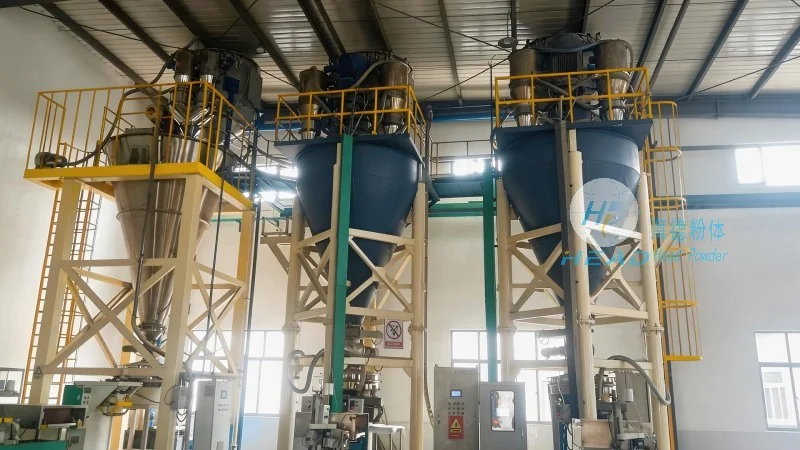
Overview of Textile Fiber Conveying Methods
Textile fiber conveying involves the movement of fibers, such as cotton, polyester, or other synthetic fibers, from storage or processing units to subsequent equipment like spinning machines or blending units. The choice of conveying method depends on factors like fiber type, particle size, moisture content, and the required conveying distance. Common methods include pneumatic conveying, screw conveyors, belt conveyors, and bucket elevators. Each method offers unique benefits and is suited to specific operational requirements.
Pneumatic Conveying Systems
Pneumatic conveying, also known as air conveying, uses compressed air or negative pressure to transport fibers through a pipeline system. This method is widely used for handling fine or dusty fibers due to its ability to maintain fiber integrity and prevent contamination. There are two main types of pneumatic conveying: pressure and vacuum systems. Pressure systems use positive pressure to push fibers through the pipeline, while vacuum systems use negative pressure to pull fibers. Pneumatic conveying offers advantages such as high conveying speeds, minimal material degradation, and the ability to transport fibers over long distances. However, it requires careful design to manage air flow and pressure, and can be more expensive to install and maintain compared to other methods.
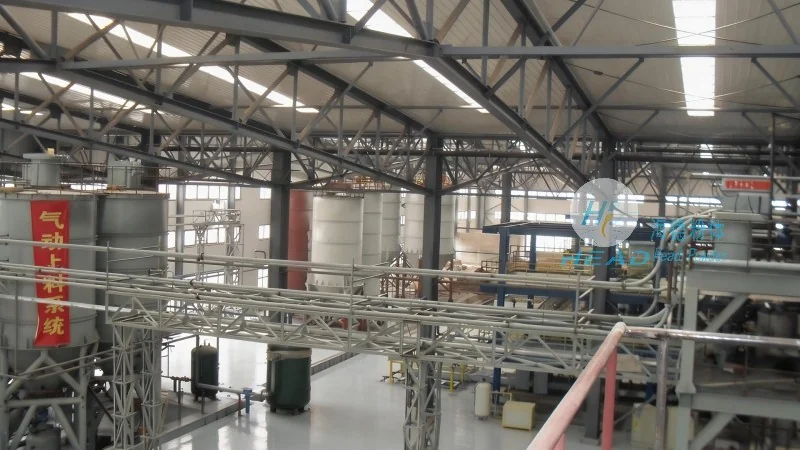
Screw Conveyors
Screw conveyors, also known as auger conveyors, are mechanical devices that use a rotating screw to move fibers along a trough. This method is suitable for handling bulk materials with relatively uniform particle sizes and moderate moisture content. Screw conveyors are commonly used in textile processing for feeding raw fibers into blending or carding machines. They offer advantages such as simplicity, low maintenance, and the ability to operate in a closed system to prevent dust and fiber loss. However, screw conveyors may not be suitable for very fine or abrasive fibers, as they can cause wear and tear on the screw and trough. Additionally, they have limitations in conveying long distances or fibers with high moisture content.
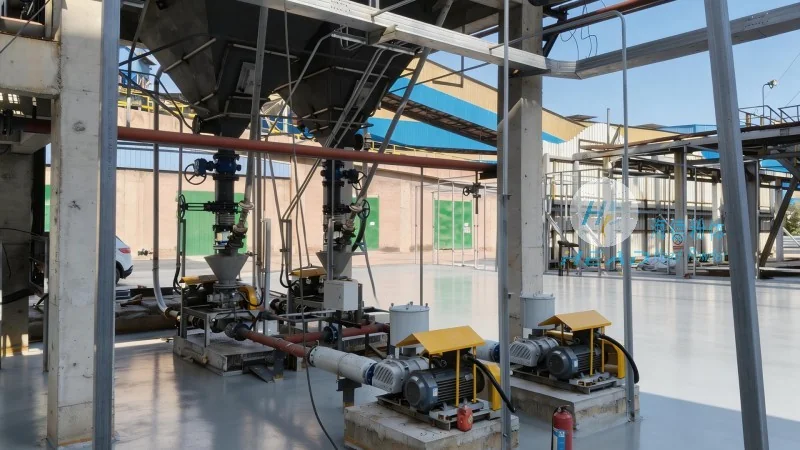
Belt Conveyors
Belt conveyors use a continuous belt to transport fibers horizontally or at a slight incline. This method is ideal for handling larger fiber bales or packages and transporting them over moderate distances. Belt conveyors are commonly used in textile mills for moving raw material bales from storage to processing areas. They offer advantages such as high load capacity, low power consumption, and the ability to transport fibers with minimal damage. However, belt conveyors require regular maintenance to ensure proper tension and alignment, and they may not be suitable for very fine or dusty fibers that can cause belt wear or slip.
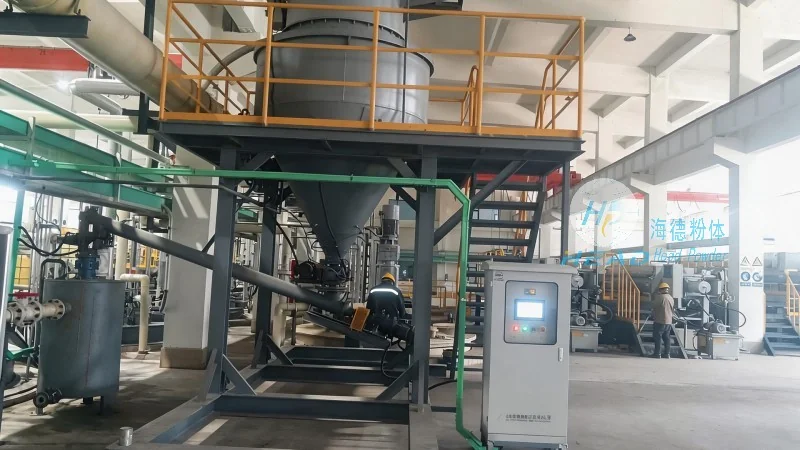
Bucket Elevators
Bucket elevators are vertical or inclined conveyors that use a series of buckets attached to a chain or belt to lift fibers from a lower to a higher level. This method is commonly used in textile processing for elevating fibers from storage silos or bins to processing equipment at a higher elevation. Bucket elevators offer advantages such as high vertical lifting capacity, low power consumption, and the ability to transport fibers with minimal spillage. However, they have limitations in handling very fine or abrasive fibers, as the buckets can cause wear and tear, and they require careful maintenance to prevent chain or belt failure.
Comparison and Selection Criteria
When selecting a textile fiber conveying method, several factors must be considered to ensure optimal performance and cost-effectiveness. The type of fiber (e.g., cotton, polyester, synthetic) and its physical properties (particle size, moisture content, abrasiveness) are primary considerations. The required conveying distance and elevation changes also influence the choice of method. For example, pneumatic conveying is preferred for fine, dusty fibers over long distances, while screw conveyors are suitable for bulk, moderate-sized fibers in horizontal or slight incline applications. Belt conveyors are ideal for large bales or packages, and bucket elevators are best for vertical lifting tasks. Additionally, operational costs, maintenance requirements, and environmental considerations (e.g., dust control) should be evaluated. Companies like Shandong HeadPowder Engineering Co., Ltd., based in China, specialize in designing and manufacturing customized conveying systems tailored to specific textile processing needs, ensuring efficient and reliable fiber transportation.




