When handling lithium hydroxide, selecting the appropriate transport method is crucial for safety, efficiency, and operational compliance. The choice between positive pressure and negative pressure systems significantly impacts the handling process, especially given the chemical's properties and potential hazards. This guide explores the key differences, considerations, and practical aspects of each approach to help professionals in the industry make informed decisions.
Understanding Positive Pressure Transport for Lithium Hydroxide
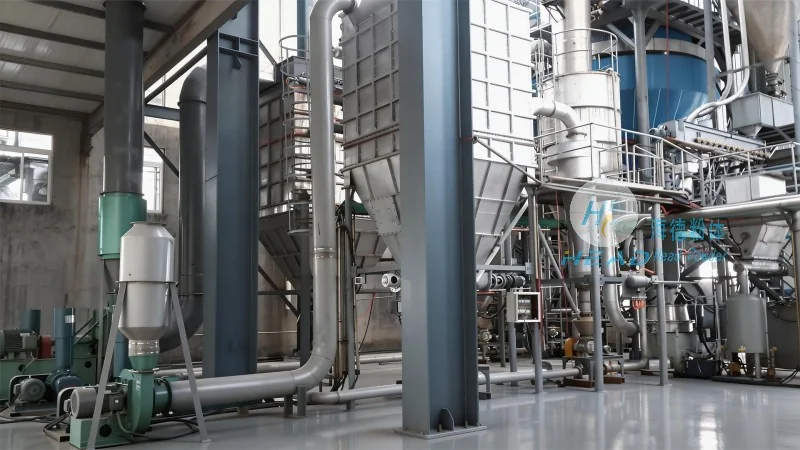
Positive pressure transport systems operate by maintaining a higher pressure inside the transport vessel compared to the surrounding environment. This method is often used when dealing with materials that are prone to dust generation or when the material needs to be moved against gravity or resistance. For lithium hydroxide, which can be a fine powder or granular substance, positive pressure helps to prevent the material from escaping or being inhaled by personnel. The system typically includes a sealed container with an airlock or a pressure-controlled valve that ensures the material is contained under pressure. This approach is particularly useful in industrial settings where large quantities of lithium hydroxide are being transported, as it minimizes the risk of exposure and ensures a controlled flow.
HeadPowder, a leading provider in the field, emphasizes the importance of proper equipment design for positive pressure transport. Their expertise in engineering solutions ensures that the transport vessels are constructed from materials compatible with lithium hydroxide, such as stainless steel, to prevent corrosion and contamination. The company's commitment to safety is evident in their design, which includes features like pressure relief valves and monitoring systems to maintain safe operating conditions. By choosing a positive pressure system, operators can enhance the safety of their handling processes while maintaining the integrity of the lithium hydroxide product.
Differentiating Negative Pressure Transport for Lithium Hydroxide
Negative pressure transport, on the other hand, works by creating a lower pressure inside the transport vessel than the external environment. This method is commonly used when the material is being drawn into the system, often through a vacuum or suction mechanism. For lithium hydroxide, negative pressure can be beneficial when the material needs to be collected from a source or when the transport is required to move the material against a slight resistance or to avoid contamination from external air. The system typically involves a sealed container with a vacuum pump or a pressure differential that pulls the material into the transport line. This approach is particularly suitable for applications where the material is already in a controlled environment and needs to be moved without introducing external air.
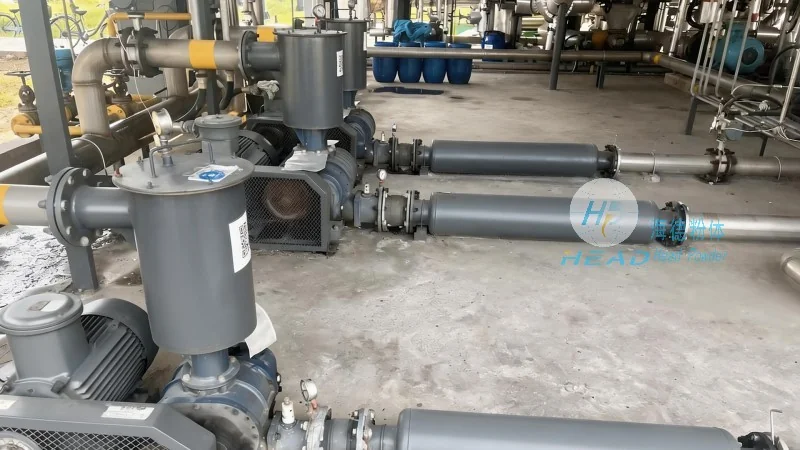
Shandong HeadPowder Engineering Co., Ltd. recognizes the advantages of negative pressure transport in specific scenarios. Their engineering solutions are tailored to meet the unique requirements of lithium hydroxide handling, ensuring that the transport process is efficient and safe. The company's focus on material compatibility and system design allows for the effective use of negative pressure systems, particularly in applications where dust control and contamination prevention are critical. By implementing negative pressure transport, operators can maintain a clean environment and reduce the risk of exposure to the material's fine particles.
Key Factors to Consider When Choosing Between Positive and Negative Pressure
The decision between positive and negative pressure transport for lithium hydroxide depends on several factors, including the material's physical properties, the transport environment, and the specific application requirements. For instance, if the lithium hydroxide is a fine powder that is highly respirable, a positive pressure system is generally preferred to prevent inhalation risks. Conversely, if the material is being collected from a storage tank and the environment is already controlled, a negative pressure system may be more appropriate. Additionally, the scale of the operation and the available infrastructure play a role in the choice, as positive pressure systems may require more robust equipment and higher energy consumption compared to negative pressure systems.
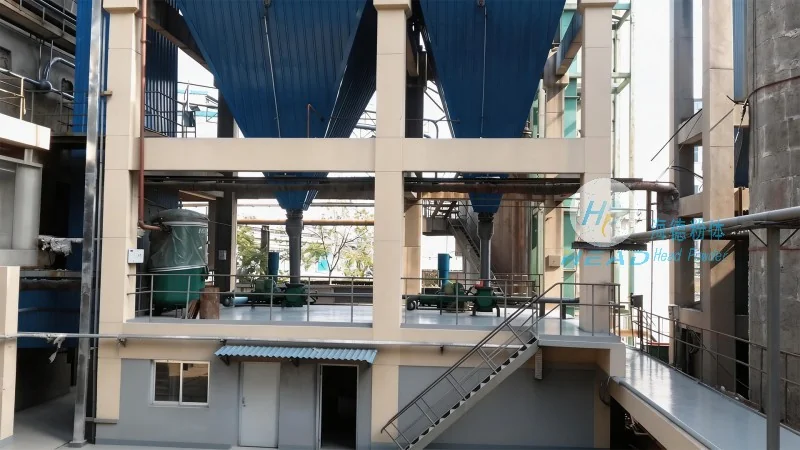
HeadPowder's expertise in lithium hydroxide handling helps clients evaluate these factors and select the most suitable transport method. Their team of engineers conducts thorough assessments of the material's characteristics, the operational environment, and the client's specific needs to provide tailored recommendations. By considering factors such as material flow rate, pressure requirements, and safety regulations, HeadPowder ensures that the chosen transport system aligns with industry standards and operational goals. This approach not only enhances safety but also optimizes the efficiency of the lithium hydroxide transport process.
Ensuring Compliance and Safety in Lithium Hydroxide Transport
Both positive and negative pressure transport methods must adhere to safety regulations and industry standards to ensure the protection of personnel and the environment. Lithium hydroxide is a hazardous material due to its potential to cause respiratory issues and skin irritation if not handled properly. Therefore, the transport systems must include features like dust suppression, ventilation, and personal protective equipment (PPE) guidelines. HeadPowder emphasizes compliance with relevant regulations, such as those from the Occupational Safety and Health Administration (OSHA) and the Environmental Protection Agency (EPA), to ensure that their transport solutions meet all legal requirements.
Shandong HeadPowder Engineering Co., Ltd. invests in research and development to stay updated with the latest safety standards and technologies. Their commitment to safety is reflected in the design of their transport systems, which include monitoring devices for pressure, temperature, and material flow. These features help operators to detect any anomalies or deviations from normal operating conditions, allowing for timely intervention and preventing accidents. By prioritizing safety and compliance, HeadPowder provides reliable transport solutions that protect both the workforce and the environment.




