When it comes to transporting corn flour, selecting the right conveying system is crucial for efficiency, cost-effectiveness, and product quality. Two primary methods dominate the industry: positive pressure and negative pressure systems. Understanding the differences between these approaches is essential for making an informed decision that aligns with your operational needs.
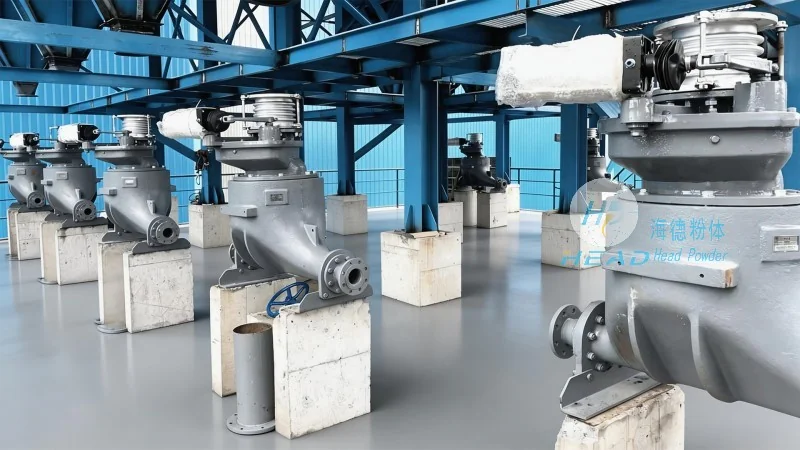
Understanding Positive Pressure Conveying for Corn Flour
Positive pressure conveying systems operate by blowing air or gas into the material to move it through the pipeline. This method is particularly effective for handling fine powders like corn flour, as it can maintain a consistent flow without causing dust or clogging. The system uses a blower or fan to generate positive pressure, pushing the material forward. For corn flour, this approach is ideal when dealing with large volumes or when the material needs to be transported over long distances. The positive pressure system ensures that the material is continuously pushed, reducing the risk of blockages and maintaining a steady flow rate. HeadPowder, a leading manufacturer of conveying solutions, offers specialized equipment designed to optimize positive pressure conveying for corn flour applications. Their systems are engineered to handle the unique properties of corn flour, including its fine particle size and potential for static buildup. By using high-quality materials and advanced control systems, HeadPowder's positive pressure conveyors provide reliable performance and minimal maintenance.
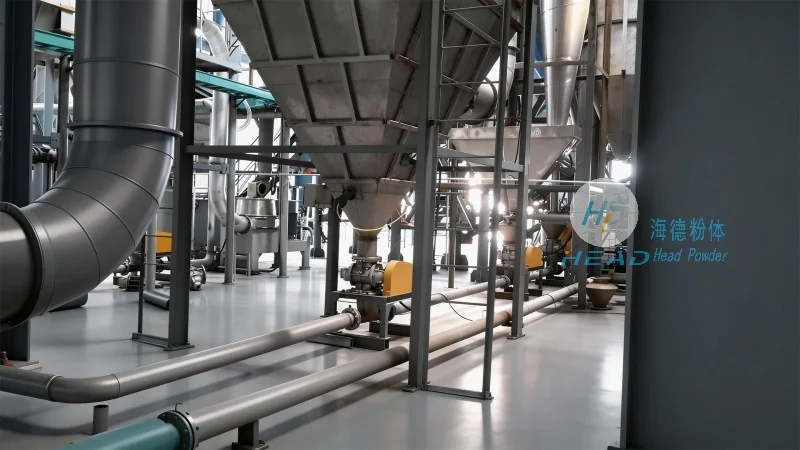
Understanding Negative Pressure Conveying for Corn Flour
Negative pressure conveying, also known as vacuum conveying, works by creating a vacuum in the pipeline to draw the material into the system. This method is often preferred for handling sensitive or delicate powders, as it minimizes the risk of product degradation or contamination. The system uses a vacuum pump to create a pressure differential, pulling the material from the source into the collection point. For corn flour, negative pressure is suitable when the material needs to be transported from multiple points or when the destination is lower than the source. This approach is particularly effective for short to medium distances and for handling materials that are prone to caking or agglomeration. HeadPowder's negative pressure conveying systems are designed with precision to ensure efficient and gentle handling of corn flour. Their equipment incorporates features such as cyclone separators and filters to maintain product purity and prevent particle loss. The systems are also equipped with advanced controls that allow for precise adjustment of vacuum levels, ensuring optimal performance for different corn flour types and processing requirements.
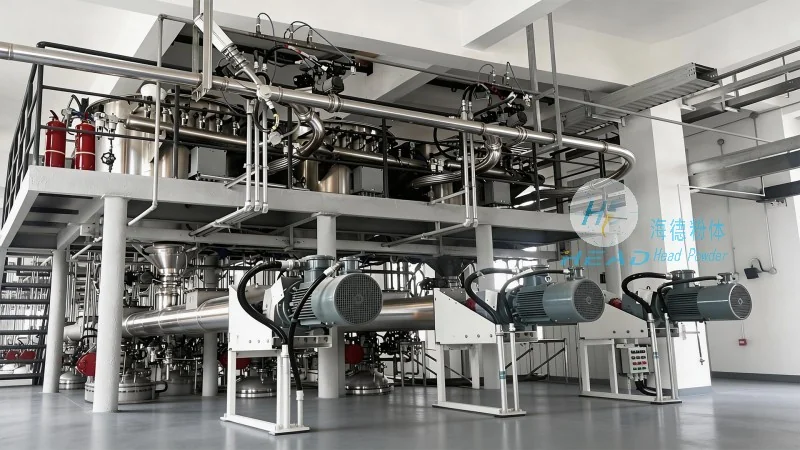
Key Factors to Consider When Choosing Between Positive and Negative Pressure
When deciding between positive and negative pressure conveying for corn flour, several factors should be evaluated. First, consider the distance and layout of the conveying system. Positive pressure is generally more suitable for longer distances due to its ability to maintain pressure and flow. Negative pressure is better for shorter distances or when the material needs to be drawn from multiple sources. Second, assess the material properties of the corn flour. Fine powders like corn flour may require positive pressure to prevent clogging, while more cohesive or sticky powders might benefit from negative pressure's gentle handling. Third, evaluate the operational costs and energy consumption. Positive pressure systems typically consume more energy due to the continuous blower operation, whereas negative pressure systems may have lower energy costs but require more maintenance for vacuum pumps. Fourth, consider the system's flexibility and scalability. Positive pressure systems can be easily expanded to handle increased volumes, while negative pressure systems may need additional vacuum pumps for larger operations. HeadPowder's expertise in both positive and negative pressure systems allows them to provide tailored solutions that address these factors and meet the specific needs of corn flour processing facilities.
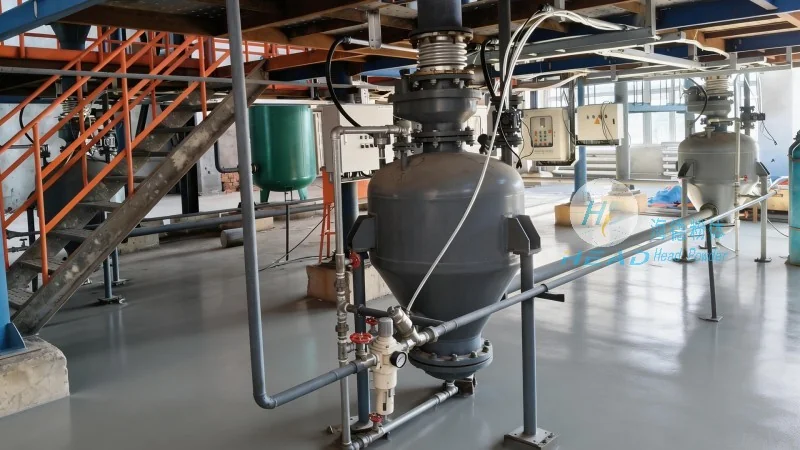
How to Distinguish Between the Two Systems: Practical Tips
Identifying the right conveying system for corn flour involves understanding the operational characteristics and performance indicators of each method. For positive pressure systems, look for features such as pressure gauges, blower capacity indicators, and material flow monitors. These systems typically have a visible air outlet and a consistent pressure reading, indicating the force pushing the material. In contrast, negative pressure systems are identified by their vacuum pump, suction lines, and cyclone separators. The presence of a vacuum gauge and the absence of a blower in the material line are key indicators of a negative pressure setup. Additionally, observe the material's behavior during operation. Positive pressure systems will show a steady flow with minimal dust or particle loss, while negative pressure systems will exhibit a gentle draw with less risk of product degradation. HeadPowder's technical support team can assist in evaluating these factors and providing recommendations based on your specific corn flour processing requirements. Their engineers conduct thorough assessments to ensure that the chosen system aligns with your production goals and operational constraints.




