

Choosing Between Positive Pressure and Negative Pressure for Metal Iron Powder Conveying: How to Dis
When it comes to transporting metal iron powder, selecting the right conveying method is crucial for ensuring efficiency, safety, and cost-effectiveness. Two primary approaches are widely used in industrial settings: positive pressure conveying and negative pressure conveying. Understanding the differences between these two systems is essential for making an informed decision that aligns with specific operational requirements. This article will explore the characteristics, advantages, and typical applications of both positive and negative pressure systems, helping you distinguish between them and choose the most suitable option for your metal iron powder handling needs.
Understanding Positive Pressure Conveying
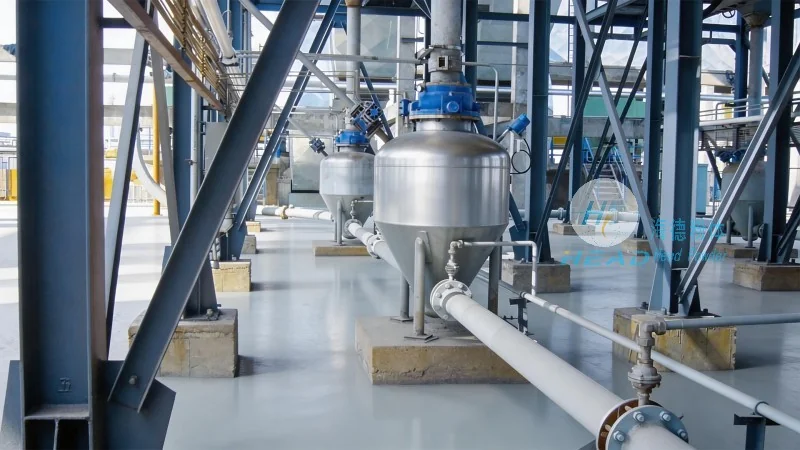
Positive pressure conveying, also known as pressure pneumatic conveying, operates by blowing air or gas into the conveying line to create a pressure higher than the ambient air pressure. This method propels the iron powder through the system, ensuring a continuous and reliable flow. The primary components of a positive pressure system include a blower, a hopper or feeder, a conveying line, and a receiver or discharge point. The pressure generated by the blower forces the powder to move, making it suitable for long-distance and high-capacity applications.
One of the key advantages of positive pressure conveying is its ability to handle abrasive and corrosive materials, such as metal powders, without causing excessive wear on the equipment. The high pressure also helps maintain a consistent flow rate, reducing the risk of blockages or uneven material distribution. However, this method may require more maintenance due to the higher pressure levels and the need for robust components to withstand the internal pressures.
Understanding Negative Pressure Conveying
Negative pressure conveying, or vacuum pneumatic conveying, works by creating a vacuum in the conveying line, which draws the iron powder from the source into the system. The vacuum is typically generated by a vacuum pump, and the material is pulled through the line towards the receiver. This approach is often preferred for shorter distances and when dealing with lighter or more delicate powders.
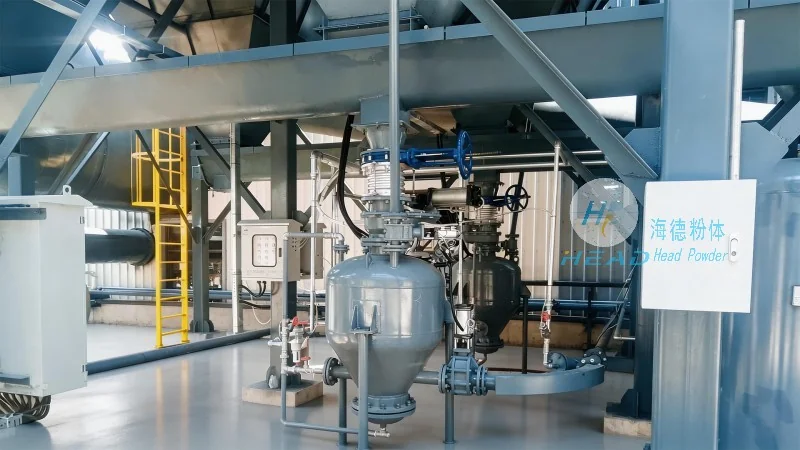
A significant advantage of negative pressure systems is their lower energy consumption compared to positive pressure systems, as they do not require high-pressure blowers. The vacuum pump operates at lower speeds, reducing operational costs and noise levels. Additionally, negative pressure conveying is less likely to cause dust emissions, as the material is drawn into the system rather than being expelled. However, this method may have limitations in handling highly abrasive or sticky powders, as the vacuum can sometimes lead to material buildup or clogging in the line.
Distinguishing Between Positive and Negative Pressure Systems
Several factors can help you distinguish between positive and negative pressure conveying systems. The most obvious difference is the direction of air flow: positive pressure uses forced air to push the material, while negative pressure uses suction to pull it. Another critical factor is the distance and capacity requirements. Positive pressure is generally more suitable for long-distance and high-volume applications, whereas negative pressure is better for shorter distances and lower capacities.
The material characteristics also play a vital role in the choice. For example, if the iron powder is highly abrasive or has a tendency to agglomerate, positive pressure may be preferred due to its ability to maintain a consistent flow and reduce material degradation. Conversely, if the powder is light and prone to dust generation, negative pressure might be more appropriate to minimize emissions and maintain a cleaner working environment.
Choosing the Right Conveying System for Metal Iron Powder
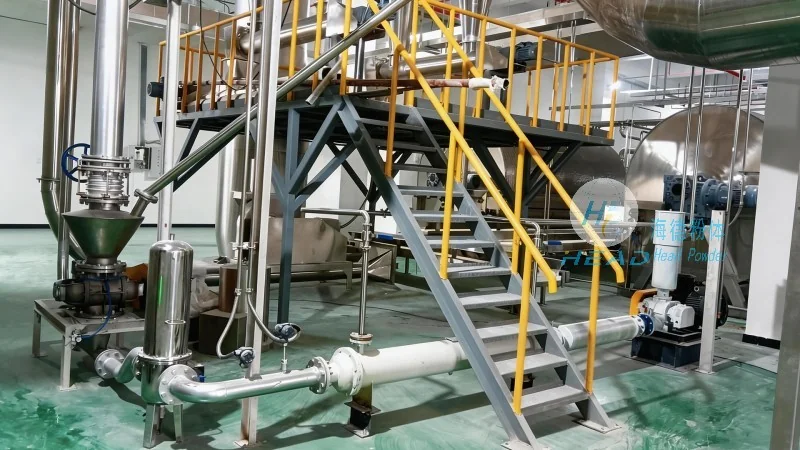
When deciding between positive and negative pressure conveying for metal iron powder, it is essential to consider several practical aspects. First, evaluate the distance between the source and the destination. If the distance is over 100 meters or requires high throughput, positive pressure is likely the better choice. For shorter distances, such as within a facility or between adjacent processing units, negative pressure may suffice.
Second, assess the material properties. If the iron powder is abrasive or has a high density, positive pressure systems with reinforced components can handle the wear and tear effectively. For lighter, more sensitive powders, negative pressure can prevent material degradation and maintain product quality. Additionally, consider the operational environment, including noise levels and dust control requirements. Positive pressure systems may generate more noise due to the high-pressure blowers, while negative pressure systems are generally quieter and produce less dust.
Conclusion
Choosing between positive and negative pressure conveying for metal iron powder requires a careful evaluation of operational needs, material characteristics, and cost considerations. Positive pressure systems offer high capacity and reliability for long-distance applications but may require more maintenance. Negative pressure systems are energy-efficient and suitable for shorter distances and lighter powders but may have limitations with abrasive materials. By understanding the differences and aligning them with your specific requirements, you can select the most effective conveying method to ensure smooth and efficient metal iron powder handling. Shandong HeadPowder Engineering Co., Ltd., a leading provider in the industry, offers a range of conveying solutions tailored to meet diverse industrial needs, helping businesses optimize their material handling processes and enhance overall operational efficiency.