

Choosing Between Positive Pressure and Negative Pressure for Denitrator Agent Delivery: How to Disti
When it comes to transporting denitrator agents, selecting the right delivery method is crucial for efficiency, safety, and operational reliability. Two primary approaches are widely used in industrial applications: positive pressure delivery and negative pressure delivery. Understanding the differences between these two systems is essential for making an informed decision that aligns with specific process requirements and operational conditions.
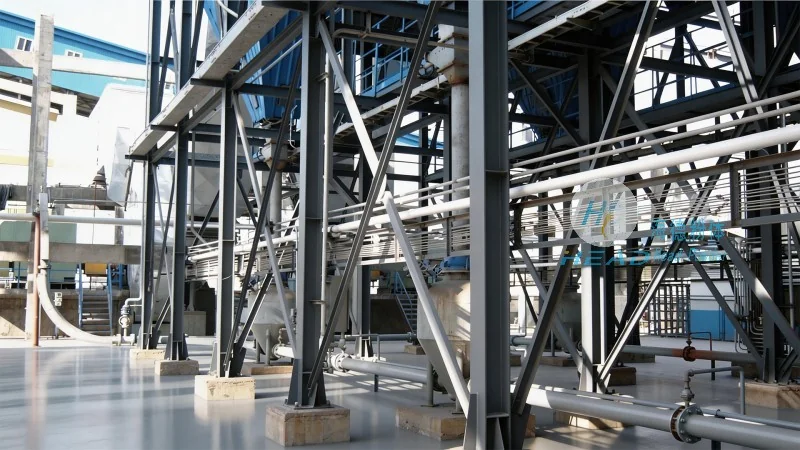
Understanding the Basics of Denitrator Agent Delivery Systems
Denitrator agents, such as urea solutions, are critical components in flue gas treatment processes, particularly in power plants and industrial facilities. The choice between positive pressure and negative pressure delivery systems depends on several factors, including the agent's properties, the distance to be transported, the required flow rate, and the overall system design. Both methods aim to move the denitrator agent from a storage tank or mixing unit to the injection point, but they achieve this through distinct operational principles.
Positive Pressure Delivery Systems: How They Work and Key Features
Positive pressure delivery systems operate by forcing the denitrator agent through the pipeline using a pump or compressor. The system maintains a higher pressure than the surrounding environment, ensuring that the agent flows continuously without the need for vacuum assistance. This approach is particularly effective for transporting viscous or abrasive agents over long distances, as it provides consistent pressure and flow rates.
In a positive pressure system, the pump is typically located at the source (e.g., the storage tank), and the pipeline is sealed to prevent air ingress. The pressure is maintained by the pump's output, which can be adjusted to match the required flow rate. Key advantages of positive pressure delivery include its ability to handle high-viscosity fluids, its suitability for long-distance transport, and its reliability in maintaining consistent flow rates. However, it requires a robust pump system and may involve higher energy consumption compared to negative pressure systems.
Negative Pressure Delivery Systems: Operational Principles and Applications
Negative pressure delivery systems, also known as suction systems, rely on creating a vacuum at the injection point to draw the denitrator agent from the source. The system uses a venturi or suction pump to create a low-pressure zone, which pulls the agent through the pipeline. This method is often used for shorter distances or when the agent is less viscous and can be easily drawn under vacuum.
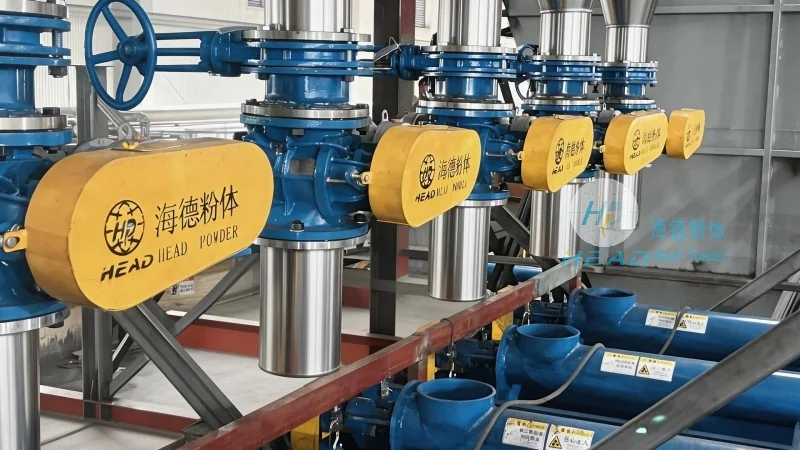
Unlike positive pressure systems, negative pressure delivery does not require a pump at the source. Instead, the suction pump is usually placed at the injection point, and the pipeline is open to the atmosphere at the source. The vacuum is maintained by the suction pump, which can be adjusted to control the flow rate. Negative pressure systems are generally more energy-efficient for short distances and low-viscosity agents, as they do not require the power to force the fluid through the pipeline. However, they are less suitable for long distances or high-viscosity fluids, as the vacuum may not be sufficient to maintain flow over extended lengths.
Distinguishing Between Positive and Negative Pressure Systems: Key Factors to Consider
When deciding between positive and negative pressure delivery for denitrator agents, several key factors must be evaluated. The first consideration is the distance between the storage tank and the injection point. Positive pressure systems are preferred for long-distance transport, as they can maintain pressure over extended pipelines. Negative pressure systems are more practical for short distances, where the vacuum can effectively draw the agent without loss of efficiency.
Viscosity of the denitrator agent is another critical factor. Positive pressure systems are better suited for high-viscosity agents, such as concentrated urea solutions, because they can overcome the resistance to flow. Negative pressure systems may struggle with viscous fluids, as the vacuum may not be strong enough to pull the agent through the pipeline. The required flow rate also plays a role, as positive pressure systems can deliver higher flow rates by adjusting the pump speed, while negative pressure systems may have limitations in achieving high flow rates due to the vacuum's capacity.
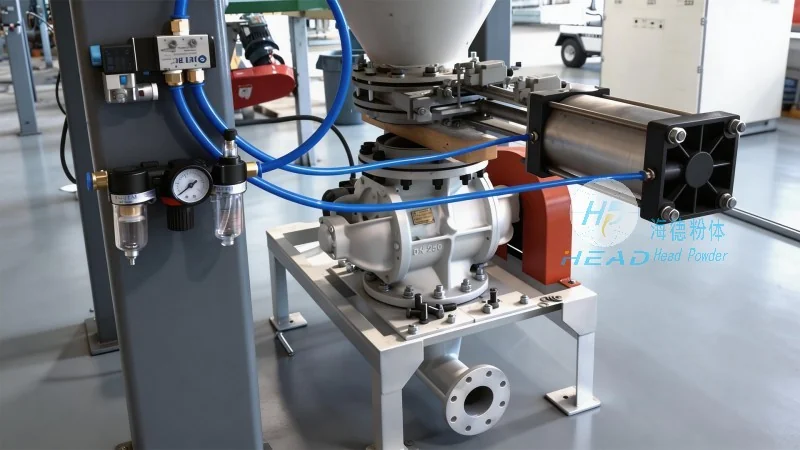
System complexity and maintenance requirements are additional considerations. Positive pressure systems typically involve more components, such as pumps and pressure regulators, which may require more maintenance. Negative pressure systems are generally simpler, with fewer moving parts, making them easier to install and maintain. However, they may be more prone to air ingress or contamination if not properly sealed.
Operational safety is also a key factor. Positive pressure systems are generally safer for handling hazardous agents, as they prevent backflow and ensure that the agent is contained within the system. Negative pressure systems may pose a risk of air or contaminants entering the pipeline if the suction pump fails or the system is not properly sealed. Environmental factors, such as temperature and pressure variations, can also impact the performance of both systems, with positive pressure systems being more resilient to changes in ambient conditions.
Choosing the Right Delivery System for Your Denitrator Agent Application
Ultimately, the choice between positive and negative pressure delivery for denitrator agents depends on a careful evaluation of the specific application requirements. Positive pressure systems are ideal for long-distance, high-viscosity transport, where consistent pressure and flow rates are essential. They are commonly used in large power plants and industrial facilities where the denitrator agent needs to be delivered to multiple injection points. Negative pressure systems, on the other hand, are suitable for shorter distances, low-viscosity agents, and applications where energy efficiency is a priority. They are often used in smaller facilities or for local injection points.
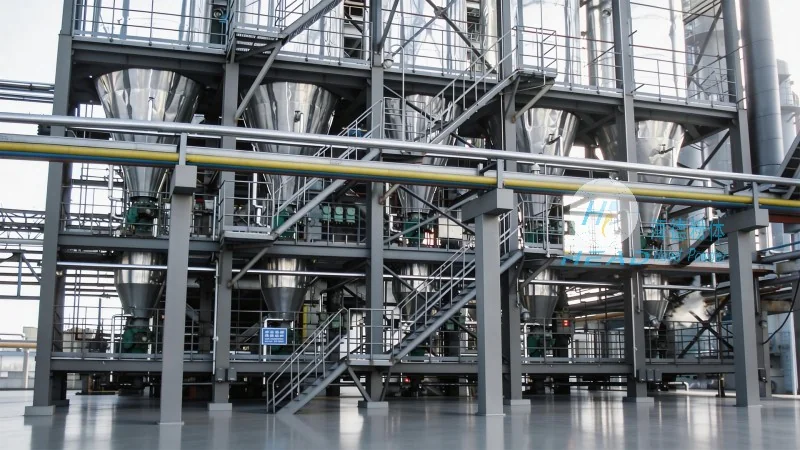
It is important to consult with engineering experts and consider the long-term operational costs when selecting a delivery system. The initial investment in a positive pressure system may be higher due to the pump and pipeline components, but it may result in lower maintenance costs and higher efficiency over time. Negative pressure systems may have lower initial costs but may require more frequent maintenance and could lead to higher energy consumption if the vacuum is not optimized.
Additionally, the availability of space and the existing infrastructure should be considered. Positive pressure systems may require more space for the pump and storage tanks, while negative pressure systems can be more compact. The compatibility with existing equipment and the ability to integrate with the overall flue gas treatment system are also critical factors in the decision-making process.
Conclusion: Making an Informed Decision for Denitrator Agent Delivery
Choosing between positive pressure and negative pressure delivery for denitrator agents is a critical step in ensuring the efficiency and reliability of flue gas treatment processes. By understanding the operational principles, key features, and distinguishing factors of each system, industrial facilities can select the most appropriate method for their specific needs. Positive pressure systems offer robustness and consistency for long-distance, high-viscosity transport, while negative pressure systems provide energy efficiency and simplicity for shorter distances and low-viscosity agents.
For optimal performance, it is recommended to conduct a thorough analysis of the process requirements, including distance, viscosity, flow rate, and operational conditions. Consulting with experienced engineering firms, such as Shandong HeadPowder Engineering Co., Ltd., can provide valuable insights and tailored solutions that align with the specific goals of the facility. By making an informed decision, industrial facilities can ensure the effective and safe delivery of denitrator agents, contributing to improved environmental compliance and operational efficiency.