

Choosing Between Positive Pressure and Negative Pressure for Aluminum Slag Transport: How to Disting
When it comes to transporting aluminum slag, selecting the right type of pneumatic conveying system is crucial for efficiency and operational safety. The two primary options are positive pressure and negative pressure systems, each with distinct characteristics and applications. Understanding the differences between these systems is essential for making an informed decision that aligns with specific operational needs. This article explores the key aspects of both positive and negative pressure aluminum slag transport, highlighting their advantages, disadvantages, and how to effectively distinguish between them.
Understanding Pneumatic Conveying Systems
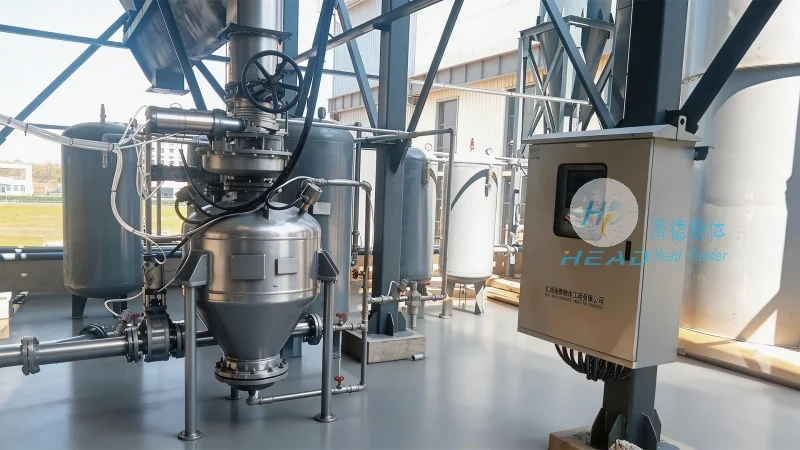
Pneumatic conveying systems use air or gas to move bulk materials like aluminum slag through a pipeline. The choice between positive and negative pressure systems depends on factors such as material properties, distance, and the desired level of control over the conveying process. Positive pressure systems blow air into the system, while negative pressure systems create a vacuum to draw material into the system. Each approach has its own set of benefits and challenges that must be considered in the context of aluminum slag handling.
Positive Pressure Conveying Systems
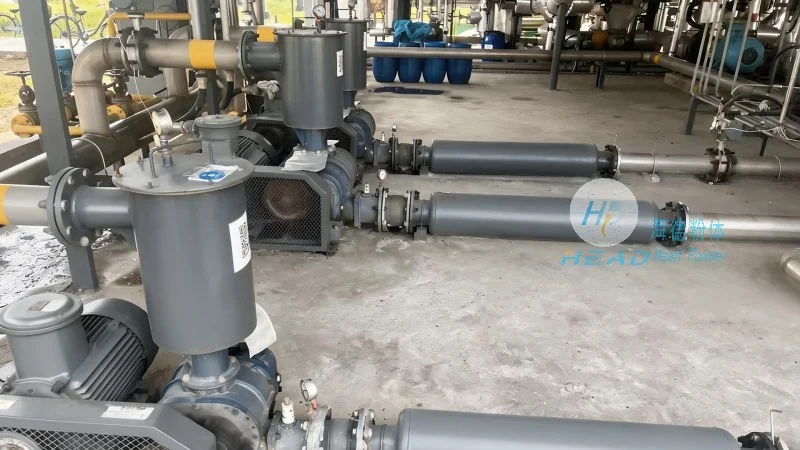
Positive pressure systems operate by forcing air through the pipeline, pushing the aluminum slag forward. This method is often preferred for long-distance transport and when dealing with abrasive or corrosive materials, as it provides consistent flow and can handle higher material loads. The primary advantage of positive pressure is its ability to maintain a positive pressure environment, which helps prevent contamination from external sources and reduces the risk of dust emissions. However, these systems require robust equipment, including high-pressure blowers and durable pipelines, which can increase initial investment costs. Additionally, positive pressure systems may generate more noise and require regular maintenance to ensure optimal performance.
Negative Pressure Conveying Systems
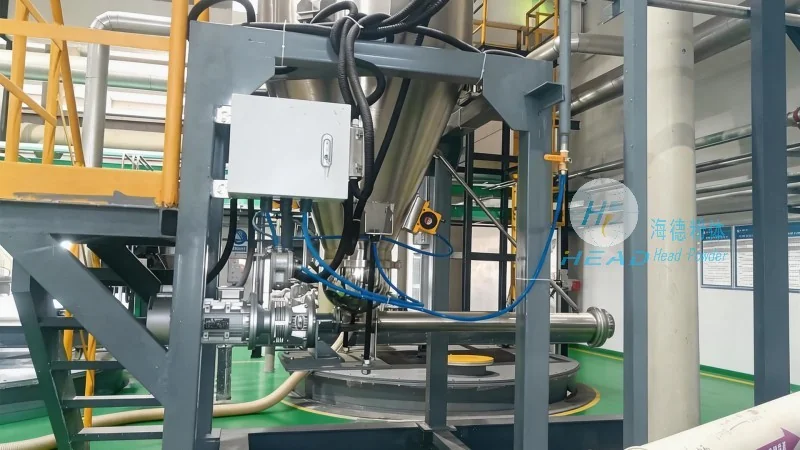
Negative pressure systems, on the other hand, create a vacuum in the pipeline to draw aluminum slag into the system. This approach is typically used for shorter distances and when the material is less abrasive. The main benefit of negative pressure is its lower energy consumption compared to positive pressure systems, as it relies on the natural flow of air rather than high-pressure blowers. This can result in lower operational costs and reduced wear on equipment. However, negative pressure systems are more susceptible to clogging and may require more frequent cleaning to maintain efficiency. They also have limitations in handling highly abrasive or sticky materials, as the vacuum can cause material to adhere to the pipeline walls.
Distinguishing Between Positive and Negative Pressure Systems
Choosing between positive and negative pressure for aluminum slag transport involves evaluating several key factors. First, consider the distance and layout of the conveying route. Positive pressure is generally more suitable for longer distances due to its ability to maintain consistent pressure and flow. For shorter distances or when the material is less abrasive, negative pressure may be a more cost-effective option. Second, assess the material properties of the aluminum slag. If the material is highly abrasive or corrosive, positive pressure systems with reinforced pipelines and wear-resistant components are recommended. Conversely, if the material is less abrasive and the conveying distance is short, negative pressure systems can provide adequate performance with lower energy use. Third, evaluate the operational environment and safety requirements. Positive pressure systems are better suited for applications where dust containment and explosion prevention are critical, as the sealed system prevents external air from entering. Negative pressure systems, while less expensive, may require additional filtration to control dust emissions, which can be a concern in industrial settings.
Key Considerations for Aluminum Slag Transport
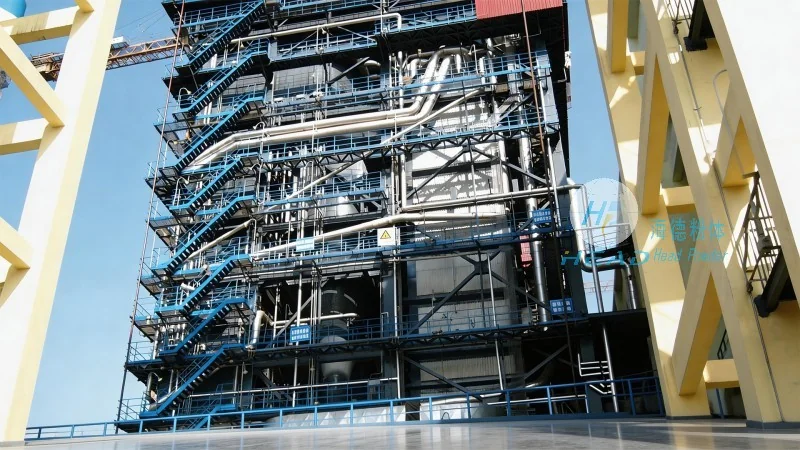
When selecting a pneumatic conveying system for aluminum slag, several additional factors should be taken into account. The type of aluminum slag being handled, such as whether it contains high levels of moisture or fine particles, can impact system performance. For example, wet or fine aluminum slag may require specialized equipment to prevent clogging and ensure smooth transport. The scale of the operation, including the volume of material to be transported per hour, also plays a role in system selection. Larger-scale operations may benefit from positive pressure systems with higher capacity blowers, while smaller operations might find negative pressure systems more practical. Furthermore, the existing infrastructure and available space at the site can influence the choice of system. Positive pressure systems may require more space for equipment and pipelines, while negative pressure systems can be more compact. Finally, the budget and long-term operational costs should be considered. While positive pressure systems have higher initial costs, they may offer lower maintenance costs and longer service life due to their robust design. Negative pressure systems, though cheaper upfront, may have higher energy costs and require more frequent maintenance.
Conclusion
Choosing between positive and negative pressure for aluminum slag transport is a critical decision that impacts operational efficiency, safety, and cost. By understanding the characteristics of each system and evaluating the specific requirements of the aluminum slag handling process, businesses can select the most appropriate conveying method. Positive pressure systems are ideal for long-distance, high-volume, and abrasive material transport, while negative pressure systems are better suited for shorter distances and less demanding applications. Ultimately, the goal is to achieve efficient, reliable, and safe transport of aluminum slag, which is essential for maintaining productivity and compliance with environmental regulations.
Shandong HeadPowder Engineering Co., Ltd., a leading provider of industrial conveying solutions, specializes in designing and implementing customized pneumatic conveying systems for aluminum slag and other bulk materials. With years of experience in the industry, HeadPowder offers expert guidance and tailored solutions to meet the unique needs of each client. The company’s commitment to quality and innovation ensures that customers receive reliable equipment and professional support throughout the entire process. HeadPowder’s expertise in positive and negative pressure systems makes it a trusted partner for aluminum slag transport projects, helping businesses optimize their operations and achieve their production goals.