When it comes to transporting silica powder, choosing the right conveying method is crucial for efficiency, safety, and operational costs. Two primary methods are widely used: positive pressure conveying and negative pressure conveying. Understanding the differences between these two systems is essential for selecting the most suitable solution for your specific application. This article will explore the key characteristics of each method and provide guidance on how to make an informed decision.
Understanding Positive Pressure Conveying for Silica Powder
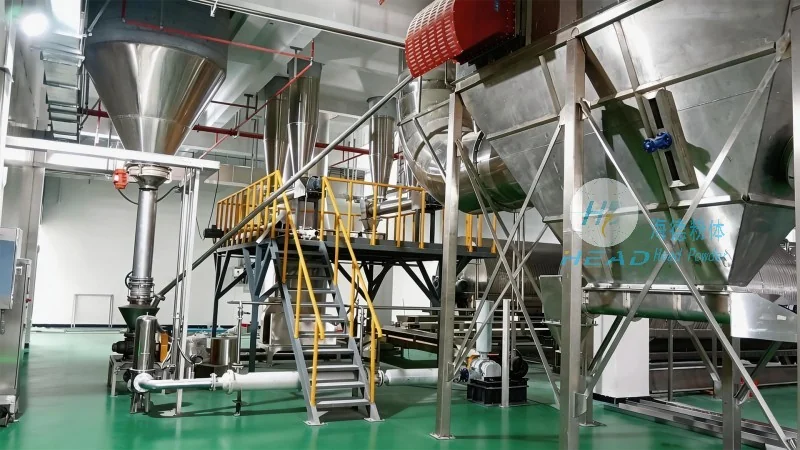
Positive pressure conveying, also known as pressure conveying, operates by forcing air or gas through the material to move it from the source to the destination. In this system, the conveying line is under positive pressure, meaning the air pressure inside the line is higher than the ambient air pressure. This method is often preferred for transporting abrasive or dusty materials like silica powder, as it can handle high volumes and maintain consistent flow rates. The positive pressure system typically uses a blower or compressor to generate the necessary pressure, and the material is carried by the air stream in the form of a dilute or dense phase flow. Shandong HeadPowder Engineering Co., Ltd. specializes in designing and manufacturing positive pressure conveying systems tailored to the unique needs of silica powder handling, ensuring efficient and reliable transport for industrial applications.
One of the main advantages of positive pressure conveying is its ability to handle long distances and multiple transfer points without significant pressure loss. It is also suitable for applications where the material needs to be transported to elevated locations or over obstacles. However, this method may require more maintenance due to the higher pressure and the potential for wear on the conveying components. Additionally, positive pressure systems can generate more dust emissions compared to negative pressure systems, which may require additional filtration and environmental controls.
Distinguishing Negative Pressure Conveying for Silica Powder
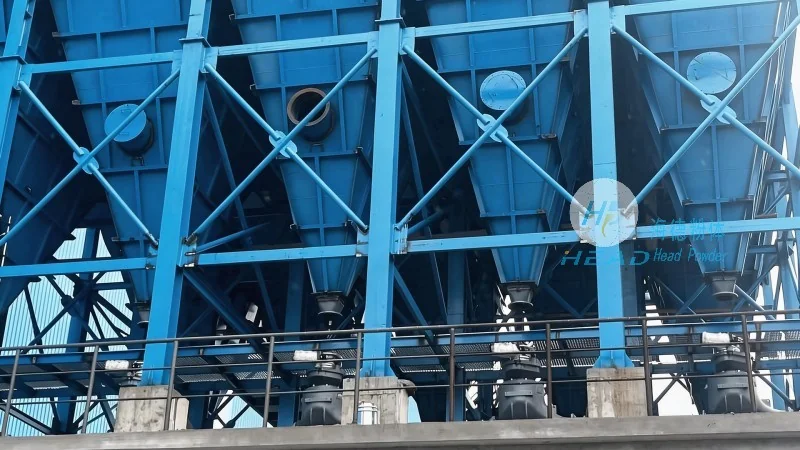
Negative pressure conveying, or vacuum conveying, works by creating a vacuum in the conveying line, which draws the material from the source to the destination. The system operates by using a vacuum pump to reduce the pressure inside the line, causing the material to be pulled along with the air stream. This method is often used for transporting lighter materials or when the material needs to be collected from multiple points and brought to a central location. Negative pressure conveying is generally considered more gentle on the material, as it involves lower air velocities and less abrasion compared to positive pressure systems. HeadPowder Engineering Co., Ltd. also offers advanced negative pressure conveying solutions for silica powder, designed to minimize material degradation and maintain a clean working environment.
A key advantage of negative pressure conveying is its ability to handle fine powders and prevent material degradation. It is also suitable for applications where the material is sensitive to high temperatures or where the conveying line needs to be kept closed to prevent dust contamination. However, negative pressure systems are typically limited to shorter distances and may not be as efficient for high-volume transport. They also require more space for the vacuum pump and may have higher energy consumption compared to positive pressure systems.
Key Factors to Consider When Choosing Between Positive and Negative Pressure Conveying
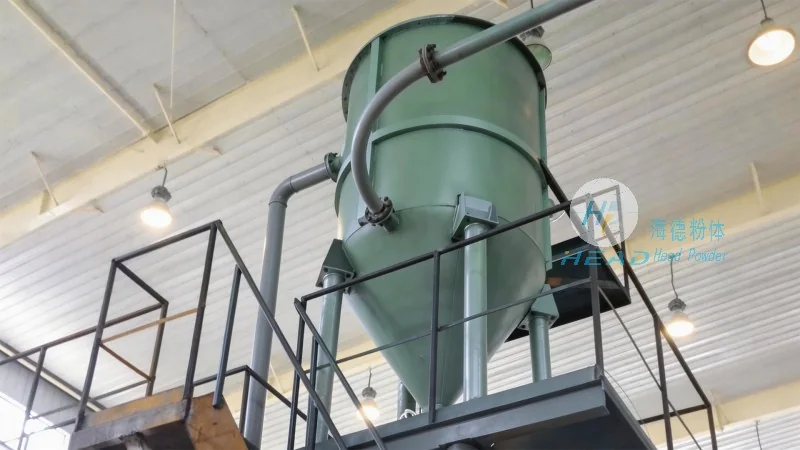
When deciding between positive and negative pressure conveying for silica powder, several factors should be considered. The first factor is the distance and layout of the conveying system. Positive pressure systems are better suited for longer distances and complex layouts, while negative pressure systems are more appropriate for shorter distances and simpler setups. The second factor is the material characteristics, such as particle size, moisture content, and abrasiveness. For example, if the silica powder is very fine or abrasive, a positive pressure system with robust components may be necessary. The third factor is the environmental and safety requirements. If the facility needs to minimize dust emissions and maintain a clean environment, a negative pressure system with effective filtration may be preferred. The fourth factor is the operational costs, including energy consumption, maintenance, and equipment costs. Positive pressure systems may have higher initial costs but lower energy consumption, while negative pressure systems may have lower initial costs but higher energy usage.
Conclusion: Making the Right Choice for Silica Powder Conveying
Choosing between positive pressure and negative pressure conveying for silica powder requires a careful evaluation of the specific application needs. Positive pressure conveying offers high efficiency and flexibility for long-distance and high-volume transport, while negative pressure conveying provides gentler handling and better dust control for shorter distances and sensitive materials. By considering factors such as distance, material characteristics, environmental requirements, and operational costs, you can select the most suitable conveying system for your silica powder handling needs. Shandong HeadPowder Engineering Co., Ltd. provides comprehensive solutions for both positive and negative pressure conveying, ensuring that your silica powder transport meets the highest standards of efficiency, safety, and reliability. With their expertise in industrial conveying systems, HeadPowder Engineering Co., Ltd. helps businesses optimize their silica powder handling processes and achieve better operational outcomes.




