HeadPowder, a leading provider in the field, offers comprehensive solutions for ceramic powder material handling through pneumatic conveying systems. This article delves into the fundamental concepts of ceramic powder material pneumatic conveying and the core design principles that underpin effective system implementation.
Introduction to Ceramic Powder Material Pneumatic Conveying
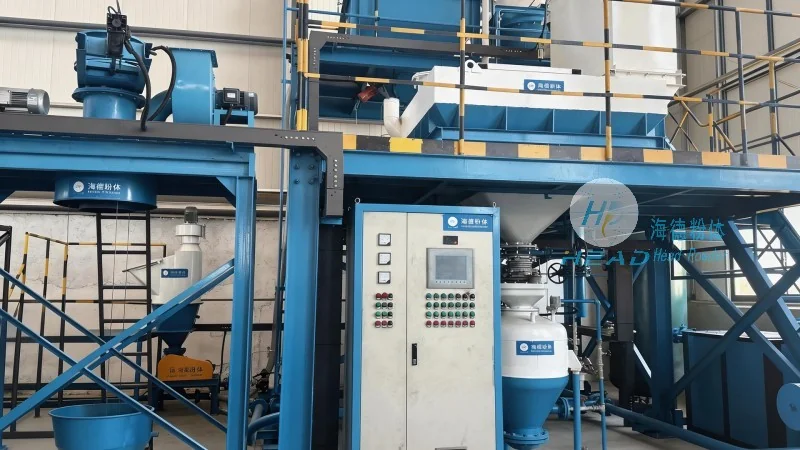
Pneumatic conveying, also known as air conveying, is a method used to transport bulk materials like ceramic powders through a pipeline using pressurized or vacuum air. In the ceramics industry, this technology is crucial for efficiently moving raw materials, intermediate products, and finished powders between processing stages. The process involves feeding the powder into a conveying line, where it is carried by an air stream to the destination point. This approach eliminates the need for mechanical components such as conveyors or buckets, reducing maintenance and improving hygiene, which is vital in food-grade or pharmaceutical applications.
HeadPowder Engineering Co., Ltd.: A Trusted Partner in Ceramic Powder Handling
HeadPowder Engineering Co., Ltd., headquartered in Shandong, China, specializes in the design, manufacturing, and installation of pneumatic conveying systems tailored to the unique needs of the ceramics sector. With years of experience, the company has developed a deep understanding of the challenges associated with handling fine, abrasive, and moisture-sensitive ceramic powders. Their solutions are engineered to ensure reliable, low-damage transport while maintaining product integrity and operational efficiency.
Key Design Principles for Ceramic Powder Pneumatic Conveying Systems
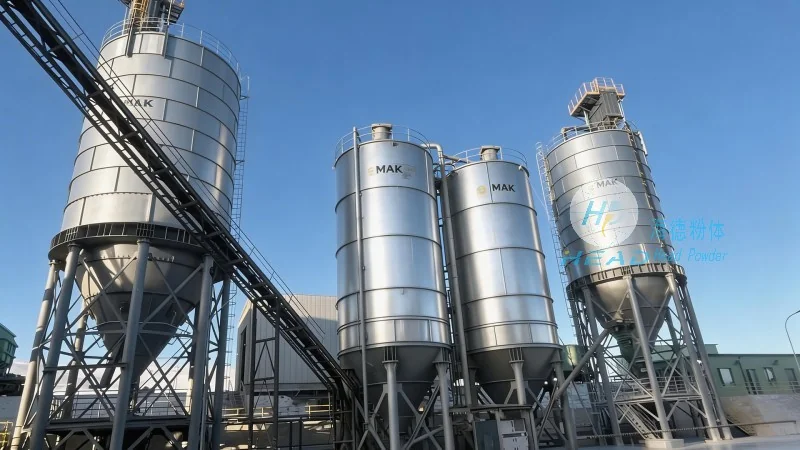
The success of a ceramic powder pneumatic conveying system hinges on several critical design principles. First, the choice of conveying type—either positive pressure, negative pressure, or a combination—depends on factors like material properties, distance, and system layout. Positive pressure systems use compressed air to push material through the line, while negative pressure systems use vacuum to pull material. For ceramic powders, which are often fine and prone to caking, positive pressure systems are commonly preferred as they provide better control and prevent material degradation.
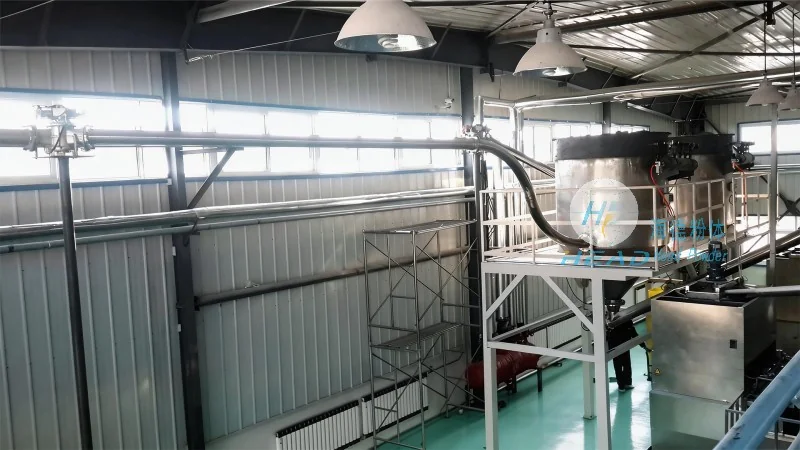
Second, the design of the conveying line is paramount. The pipe diameter, material, and bends must be carefully selected to minimize pressure drop and prevent particle accumulation. Abrasion-resistant materials like stainless steel or special alloys are often used to withstand the abrasive nature of ceramic powders. The number and angle of bends are optimized to reduce turbulence and maintain consistent air flow, ensuring smooth material transport.
Third, the feeding and discharge mechanisms are critical components. Proper feeding devices, such as rotary valves or star feeders, ensure a consistent flow of powder into the conveying line, preventing blockages and maintaining system efficiency. Discharge equipment, including cyclones or filters, separates the powder from the air stream at the destination, allowing for clean material recovery and air filtration.
Advantages of Pneumatic Conveying for Ceramic Powders
Implementing pneumatic conveying for ceramic powder handling offers numerous advantages. Unlike mechanical systems, it eliminates the risk of product contamination from metal parts or lubricants. The enclosed system also prevents dust emissions, enhancing workplace safety and compliance with environmental regulations. Additionally, pneumatic systems can handle a wide range of particle sizes and flow rates, making them versatile for various production scales. The compact design of these systems saves space in production facilities, and their low maintenance requirements reduce operational costs over time.
Conclusion: Optimizing Ceramic Powder Handling with Expert Design
Effective ceramic powder material pneumatic conveying relies on a combination of proper system design, material selection, and operational expertise. HeadPowder Engineering Co., Ltd. leverages its extensive knowledge and experience to develop customized solutions that meet the specific demands of ceramic manufacturers. By adhering to the fundamental design principles outlined above, companies can achieve efficient, reliable, and cost-effective material transport, ultimately enhancing their production processes and product quality.




