

What Are the Working Principles and Features of a Baking Soda Powder Pneumatic Conveyor?
Baking soda, also known as sodium bicarbonate, is a widely used chemical in various industries, including food processing, pharmaceuticals, and chemical manufacturing. The efficient and reliable transport of baking soda powder from one location to another is crucial for maintaining production efficiency and product quality. A powder pneumatic conveyor is a specialized system designed to handle such tasks, and in this article, we will explore the working principles and key features of a baking soda powder pneumatic conveyor, as offered by Shandong HeadPowder Engineering Co., Ltd., a leading manufacturer based in China.
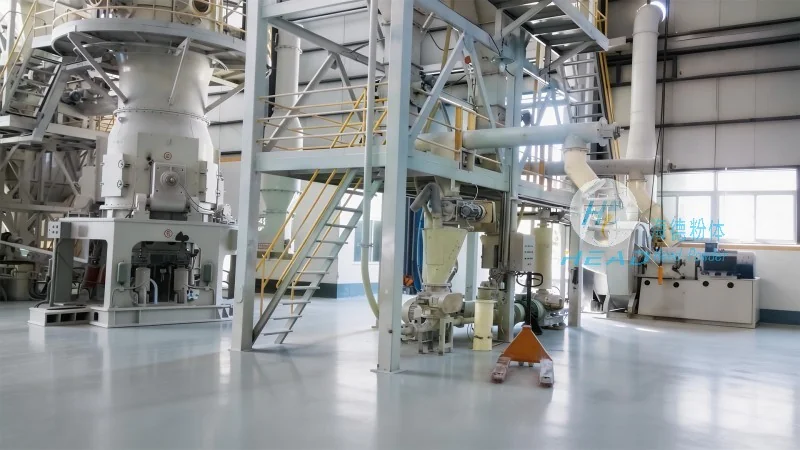
Working Principle of a Baking Soda Powder Pneumatic Conveyor
The core of a pneumatic conveyor system lies in its ability to transport dry powders through a pipeline using air pressure. There are two primary types of pneumatic conveying: positive pressure (or pressure) systems and negative pressure (or vacuum) systems. For baking soda powder, which is typically fine and light, a positive pressure system is often preferred due to its efficiency and ability to handle high volumes. In a positive pressure system, a blower or compressor generates compressed air that is introduced into the conveyor line at the inlet. The air flows through the pipeline, carrying the baking soda powder particles along with it. The system is designed to maintain a consistent air velocity to ensure that the powder particles are fully suspended and transported without clogging or degradation. The outlet of the conveyor discharges the powder into the target container or processing unit. The entire process is controlled by a system of valves, regulators, and sensors to ensure precise and reliable operation. Shandong HeadPowder Engineering Co., Ltd. specializes in designing and manufacturing such systems tailored to the specific characteristics of baking soda, ensuring optimal performance and minimal product loss.
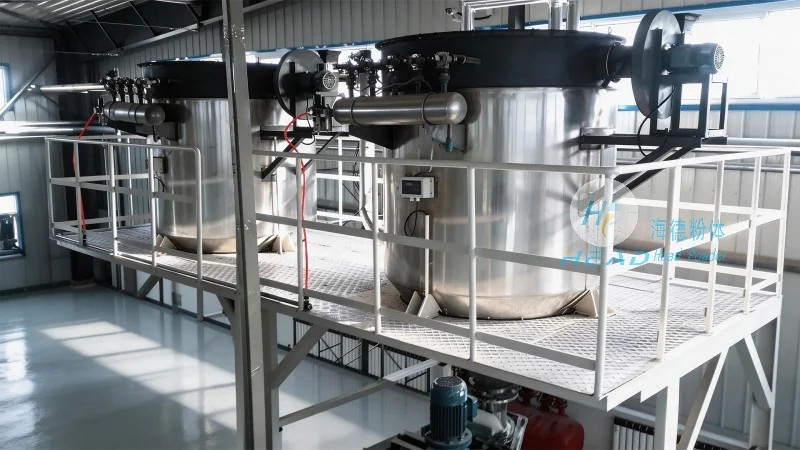
Key Features of Baking Soda Powder Pneumatic Conveyors
When considering a pneumatic conveyor for baking soda powder, several key features are essential to ensure efficiency and product integrity. First, the system must be designed to handle the specific particle size and flow characteristics of baking soda. Baking soda particles are typically fine and can be prone to agglomeration, so the conveyor must incorporate features to prevent blockages and maintain consistent flow. This includes the use of appropriate pipeline diameters, air velocities, and possibly inline mixers or agitators to keep the powder in suspension. Second, the system should be constructed from materials that are compatible with baking soda and resistant to corrosion or contamination. Stainless steel is often used for the pipeline and components to ensure hygiene and durability. Third, the conveyor must be equipped with effective dust control measures, as fine powders can create significant dust during transport. This includes sealed systems, filtration, and exhaust systems to maintain a clean and safe working environment. Fourth, the system should offer flexibility in terms of layout and integration with existing production lines. Modular designs and adjustable components allow for easy installation and adaptation to different facility configurations. Shandong HeadPowder Engineering Co., Ltd. incorporates all these features into their pneumatic conveyor systems, ensuring that customers receive a solution that meets both operational and regulatory requirements.
Technical Advantages of Baking Soda Powder Pneumatic Conveyors
Implementing a pneumatic conveyor for baking soda powder offers several technical advantages over traditional methods such as bucket elevators or belt conveyors. One of the most significant advantages is the reduction in product loss and contamination. Traditional conveyors often result in dust and product spillage, which can lead to material waste and quality issues. A well-designed pneumatic conveyor minimizes these losses by maintaining a sealed system and controlling the air flow precisely. Another advantage is the energy efficiency of the system. Modern pneumatic conveyors use advanced blowers and compressors that operate at optimal efficiency, reducing energy consumption compared to older models. This not only lowers operational costs but also contributes to a more sustainable operation. Additionally, the system provides better control over the powder flow, allowing for precise dosing and batching. This is particularly important in applications where exact amounts of baking soda are required, such as in food processing or pharmaceutical manufacturing. The ability to adjust the air pressure and flow rate allows for fine-tuning the conveyor's performance to match the specific needs of the process. Shandong HeadPowder Engineering Co., Ltd. leverages these technical advantages in their product design, ensuring that their pneumatic conveyors deliver superior performance and reliability for baking soda powder handling.
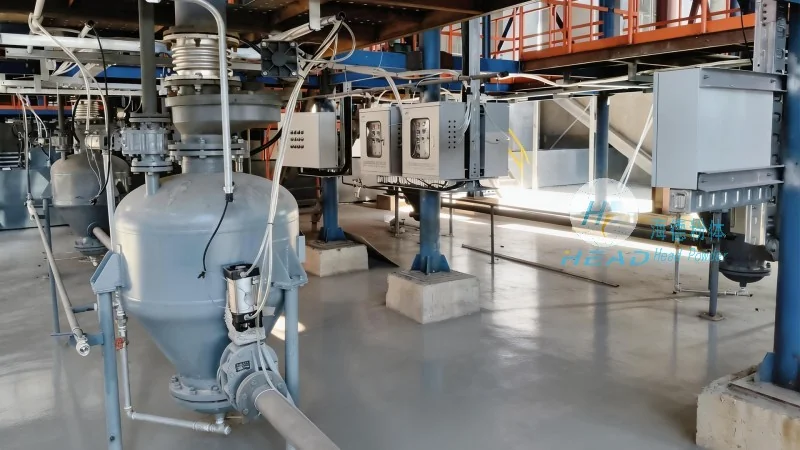
Application Scenarios for Baking Soda Powder Pneumatic Conveyors
Baking soda powder pneumatic conveyors are widely used in various industries where the transport of fine powders is required. In the food industry, they are commonly used to move baking soda from storage silos to production lines, ensuring a consistent supply for baking and cooking applications. The hygienic design of the system is critical in food processing, and Shandong HeadPowder Engineering Co., Ltd. provides models that meet strict food safety standards. In the pharmaceutical industry, the conveyor is used to transport baking soda powder to mixing and packaging units, where it is incorporated into various formulations. The system's ability to maintain product purity and prevent cross-contamination is essential in this sector. In chemical manufacturing, baking soda is used as a raw material in the production of other chemicals, and the pneumatic conveyor efficiently transports it from raw material storage to the reaction vessels. The system's durability and resistance to chemical exposure make it suitable for these applications. Additionally, in industrial cleaning and water treatment, baking soda is used as a cleaning agent, and the conveyor can transport it to storage tanks or application points. The versatility of the pneumatic conveyor makes it suitable for a wide range of applications, and its adaptability allows it to be integrated into existing production processes with minimal disruption. Shandong HeadPowder Engineering Co., Ltd. has successfully implemented these systems in numerous projects across different industries, demonstrating their effectiveness and reliability.