When it comes to handling sugar powder in industrial settings, the sugar powder conveyor plays a crucial role in ensuring efficient and reliable material transport. This equipment is specifically designed to manage the unique characteristics of sugar powder, such as its fine particle size and potential for caking or bridging. Understanding the design principles behind these conveyors is essential for optimizing performance and maintaining product quality in sugar processing operations.
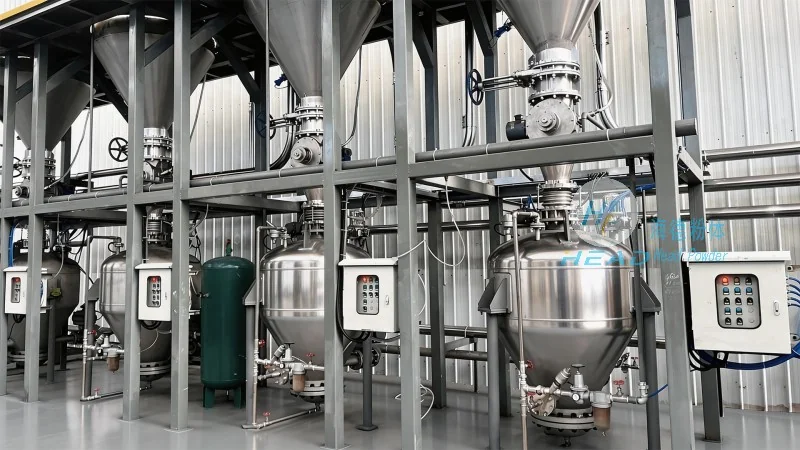
Defining the Sugar Powder Conveyor
A sugar powder conveyor is a specialized piece of machinery used to transport granular or powdered sugar from one location to another within a processing facility. Unlike traditional conveyors that handle bulk materials, sugar powder conveyors are engineered to address the challenges posed by sugar's physical properties. These properties include high moisture sensitivity, tendency to adhere to surfaces, and the risk of dust generation during transport. The design of these conveyors must therefore prioritize material flow, prevent product degradation, and ensure minimal contamination.
Key Design Principles of Sugar Powder Conveyors
The design of a sugar powder conveyor is built upon several fundamental principles that ensure optimal performance. First, the conveyor must maintain a consistent and controlled flow of sugar powder to prevent clogging or uneven distribution. This is achieved through the use of specialized components like screw conveyors, pneumatic conveyors, or belt conveyors, each tailored to the specific handling needs of sugar powder. Second, the equipment must minimize the risk of product degradation, which can occur due to friction, temperature changes, or exposure to air. This is typically addressed by incorporating features such as enclosed systems, temperature control mechanisms, and smooth, non-stick surfaces.
Third, the design emphasizes the prevention of dust generation and product loss. Sugar powder is prone to creating airborne particles, which can lead to health hazards and material loss. Therefore, sugar powder conveyors often include dust collection systems, sealed housing, and efficient sealing mechanisms to contain the material. Additionally, the design may incorporate features like vibration or agitation systems to break up clumps and ensure uniform flow, particularly when dealing with sugar that has a tendency to cake or bridge.
Components and Functionalities
The sugar powder conveyor consists of several key components that work together to achieve efficient material transport. The primary components include a feeding mechanism, a conveying system (such as a screw or belt), a drive system, and a discharge mechanism. The feeding mechanism is designed to introduce the sugar powder into the conveyor in a controlled manner, preventing overloading or uneven distribution. The conveying system then transports the material through the system, with the screw or belt rotating to move the powder forward. The drive system provides the necessary power to operate the conveying mechanism, while the discharge mechanism ensures the sugar powder is released at the desired location.
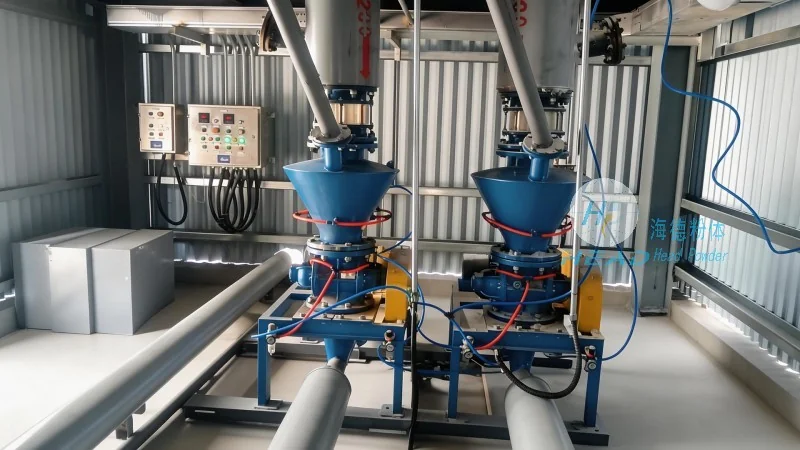
Advanced sugar powder conveyors may also include additional features to enhance performance. For example, some models incorporate temperature control systems to maintain the sugar powder at a consistent temperature, which is critical for preventing caking or moisture absorption. Others may include vibration or agitation devices to break up clumps and ensure smooth flow, especially when handling sugar that has a high moisture content or is prone to bridging. Some conveyors also feature adjustable speed controls, allowing operators to modify the conveying rate based on the specific requirements of the process.
Applications in Sugar Processing
Sugar powder conveyors are widely used in various stages of sugar processing, from raw material handling to final product packaging. In the initial stages, these conveyors are used to transport raw sugar from storage silos to processing equipment, such as crushers or grinders. This ensures a continuous and efficient supply of raw material for the refining process. During the refining stage, sugar powder conveyors are used to transport refined sugar from one processing unit to another, such as from a centrifuge to a drying machine or from a storage tank to a packaging line.
In the final stages of production, sugar powder conveyors are used to transport the finished product to packaging facilities. This ensures that the sugar powder is delivered to the packaging line in a clean and controlled manner, minimizing the risk of contamination or product loss. Additionally, sugar powder conveyors may be used in quality control processes, where they transport samples of the sugar powder for testing and analysis.
Benefits of Using a Sugar Powder Conveyor
Implementing a sugar powder conveyor in a sugar processing facility offers several key benefits. First, it improves operational efficiency by ensuring a continuous and reliable flow of sugar powder. This reduces downtime and increases overall productivity, allowing the facility to meet production targets more effectively. Second, the conveyor minimizes product loss by preventing clogging, bridging, or dust generation. This not only reduces material costs but also improves product quality by maintaining the integrity of the sugar powder.
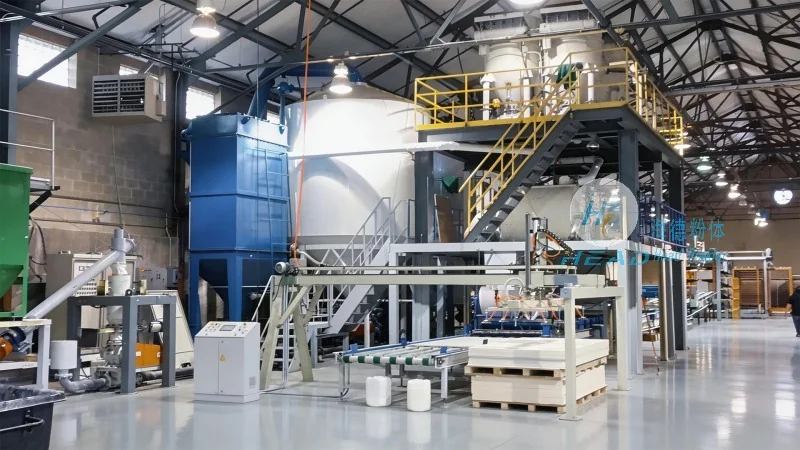
Third, the design of sugar powder conveyors prioritizes safety and hygiene, which is critical in food processing environments. The enclosed systems and sealed housing prevent dust from entering the workplace, reducing the risk of respiratory issues and maintaining a clean environment. Additionally, the smooth and non-stick surfaces make cleaning and maintenance easier, ensuring that the conveyor remains in optimal condition and meets regulatory standards.
Choosing the Right Sugar Powder Conveyor
When selecting a sugar powder conveyor for a sugar processing facility, several factors must be considered to ensure the best fit for the specific needs of the operation. First, the type of conveyor system must be chosen based on the characteristics of the sugar powder, such as particle size, moisture content, and flowability. For example, a screw conveyor may be suitable for handling dry, free-flowing sugar powder, while a pneumatic conveyor may be better for handling sugar powder with higher moisture content or a tendency to cake.
Second, the capacity of the conveyor must be matched to the production requirements of the facility. This ensures that the conveyor can handle the required volume of sugar powder without overloading or causing bottlenecks. Third, the design and features of the conveyor must align with the specific operational needs of the facility, such as the need for temperature control, vibration systems, or adjustable speed controls. Finally, the manufacturer's reputation and experience in the industry should be considered, as a reputable manufacturer like Shandong HeadPowder Engineering Co., Ltd. can provide reliable and high-quality equipment that meets the needs of the operation.
Conclusion
In conclusion, the sugar powder conveyor is a critical piece of equipment in sugar processing facilities, designed to efficiently and reliably transport sugar powder while maintaining product quality and operational efficiency. The design principles behind these conveyors prioritize material flow, product integrity, and safety, making them an essential component of modern sugar processing operations. By understanding the key features and benefits of sugar powder conveyors, facility managers can make informed decisions when selecting the right equipment for their specific needs, ensuring optimal performance and long-term success in their sugar processing operations.




