Phosphoric hydrogen calcium powder conveying machines are specialized equipment designed to handle and transport phosphoric hydrogen calcium powder efficiently. As a key component in the production and processing of phosphoric hydrogen calcium, these machines play a crucial role in ensuring smooth material flow and operational efficiency. Understanding the design principles behind such equipment is essential for optimizing performance and maintaining safety in industrial applications.
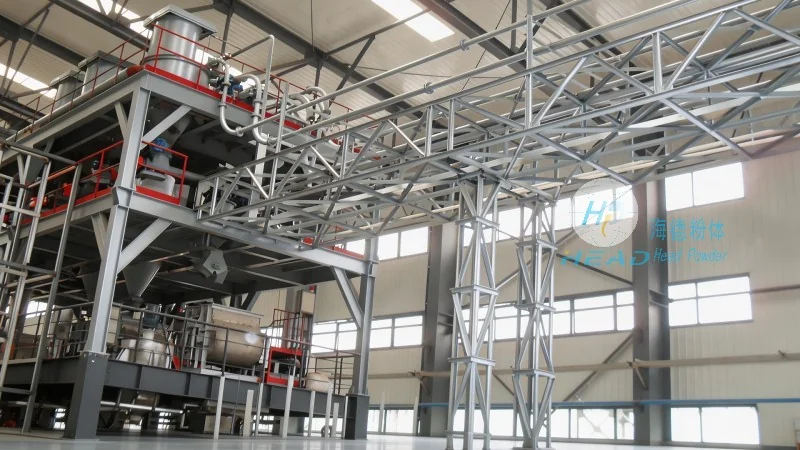
Understanding the Core Design Principles of Phosphoric Hydrogen Calcium Powder Conveying Machines
The design of a phosphoric hydrogen calcium powder conveying machine is built upon several fundamental principles that address the unique characteristics of the material. Phosphoric hydrogen calcium, a common industrial chemical, is often characterized by its fine particle size, hygroscopic nature, and potential for dust generation. These properties necessitate a conveying system that can handle these challenges effectively. The design principles typically include considerations for material flow, dust control, energy efficiency, and structural integrity.
One of the primary design considerations is the material's flowability. Phosphoric hydrogen calcium powder can be prone to bridging, caking, or agglomeration, which can impede the conveying process. To mitigate these issues, conveying machines often incorporate features such as agitators, vibrators, or air knives to break up clumps and maintain a consistent flow. The design may also include hopper designs with specific angles and smooth surfaces to prevent material buildup and ensure reliable discharge.
Dust control is another critical aspect of the design. The fine nature of phosphoric hydrogen calcium powder makes it susceptible to generating dust during handling and transport. Effective dust suppression is achieved through enclosed systems, proper sealing, and the use of filters or cyclones to capture and recycle airborne particles. The design may also incorporate explosion-proof features, as the material can be a fire or explosion hazard under certain conditions. These safety measures are integrated to comply with industrial safety standards and protect personnel and equipment.
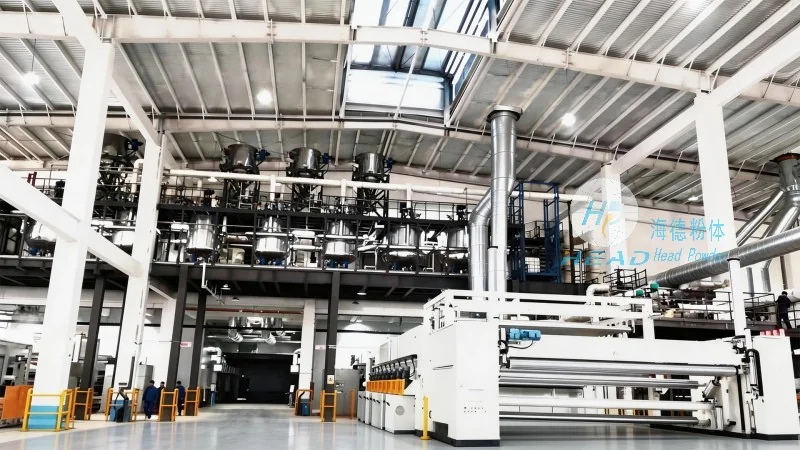
Energy efficiency is a key factor in modern conveying machine design. Manufacturers like Shandong HeadPowder Engineering Co., Ltd. focus on optimizing motor selection, drive systems, and material handling methods to reduce energy consumption. Variable frequency drives (VFDs) are commonly used to adjust the speed of the conveyor based on the load, ensuring that energy is used only when necessary. Additionally, the design may incorporate energy recovery systems or efficient air compression methods to further enhance sustainability.
Structural integrity is paramount to ensure the longevity and reliability of the conveying machine. The equipment is typically constructed from durable materials such as stainless steel or corrosion-resistant alloys, which can withstand the chemical properties of phosphoric hydrogen calcium and resist wear and tear. The design may also include reinforced components, such as robust frames and wear-resistant liners, to extend the service life of the machine. Proper maintenance and regular inspections are recommended to maintain the structural integrity and performance of the conveying system.
Key Components and Functional Aspects of the Conveying Machine
A phosphoric hydrogen calcium powder conveying machine consists of several key components that work together to achieve efficient material transport. The main components include a hopper for material storage, a conveyor system (such as a screw conveyor, pneumatic conveyor, or belt conveyor), a drive mechanism, and control systems. Each component is designed to handle the specific challenges of transporting phosphoric hydrogen calcium powder.
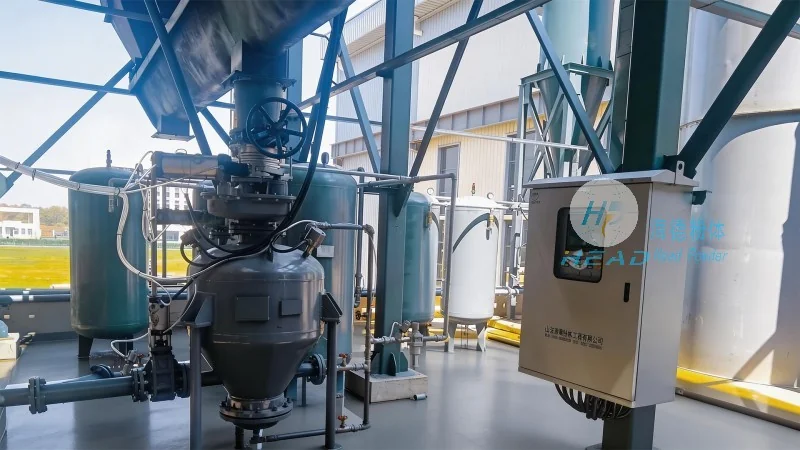
The hopper is the first component that receives the material. It is typically designed with a large capacity to accommodate bulk material and prevent frequent refilling. The hopper may include a discharge valve or gate to control the flow of material into the conveyor system. The design of the hopper often includes a conical or wedge-shaped bottom to facilitate smooth material discharge and prevent bridging or caking.
The conveyor system is the core of the conveying machine, responsible for moving the powder from the hopper to the discharge point. Screw conveyors are commonly used for horizontal or slight incline transport due to their ability to handle fine powders and maintain a consistent flow. Pneumatic conveyors, on the other hand, use air pressure to transport the powder, which is suitable for longer distances or when dust control is a priority. Belt conveyors may be used for larger particle sizes or when a continuous, high-volume transport is required. The choice of conveyor type depends on the specific application and material characteristics.
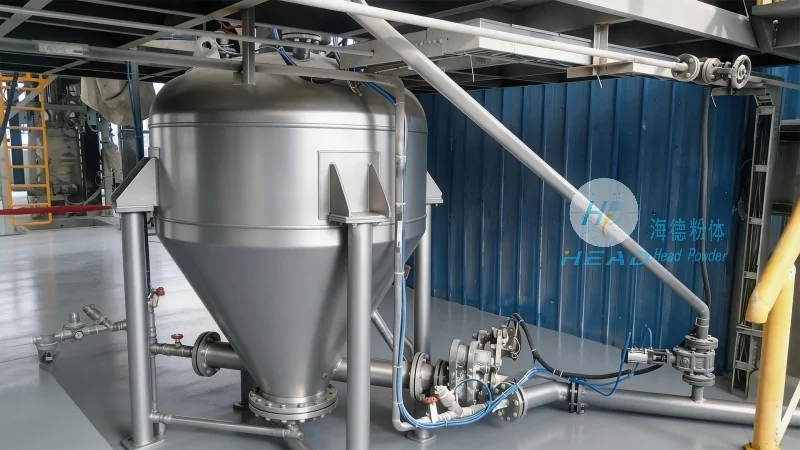
The drive mechanism provides the necessary power to move the conveyor system. This may include electric motors, gearboxes, and pulleys or belts. The design of the drive system is optimized for efficiency and durability, with considerations for the load and speed requirements. Modern conveying machines often use variable speed drives to adjust the conveyor speed based on the material flow rate, enhancing operational flexibility and energy savings.
The control system is responsible for monitoring and regulating the operation of the conveying machine. It may include sensors to detect material levels, flow rates, and temperature, as well as alarms and safety interlocks to prevent accidents. The control system allows operators to adjust the settings of the machine according to the specific needs of the process, ensuring optimal performance and safety. The integration of advanced control technologies, such as programmable logic controllers (PLCs), enables precise control and automation of the conveying process.
Applications and Benefits in Industrial Settings
Phosphoric hydrogen calcium powder conveying machines are widely used in various industrial applications, particularly in the chemical, food, and pharmaceutical industries. These machines are essential for transporting the powder in production lines, from raw material handling to packaging and storage. The efficient operation of the conveying machine directly impacts the overall productivity and quality of the final product.




