

What is a Maltose Powder Conveyor? And Its Design Principles
For industries dealing with maltose powder, efficient and reliable material handling is crucial. A maltose powder conveyor, also known as a maltose powder handling system, is a specialized piece of equipment designed to transport maltose powder from one location to another within a production facility. This equipment is essential for maintaining production efficiency, ensuring product quality, and reducing labor costs associated with manual handling. In this article, we will explore what a maltose powder conveyor is and delve into its design principles, highlighting the key components and operational aspects that make it effective for maltose powder processing.
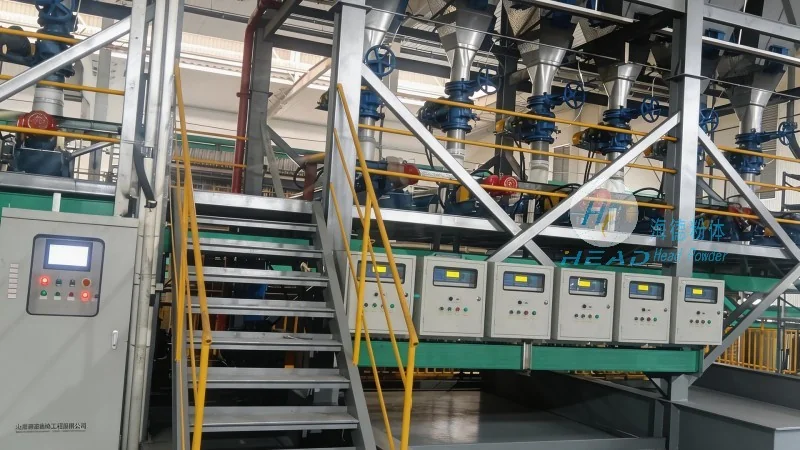
Understanding the Maltose Powder Conveyor
A maltose powder conveyor is a mechanical system engineered to move maltose powder, a common sugar product, through a production line. This equipment is typically used in food processing, pharmaceuticals, and chemical industries where consistent and controlled powder flow is required. The primary function of a maltose powder conveyor is to transport the powder from storage silos or processing units to packaging machines, mixing equipment, or other downstream processes. By automating the powder handling process, these systems minimize the risk of contamination, improve safety for operators, and enhance overall operational efficiency.
Key Components of a Maltose Powder Conveyor
The design of a maltose powder conveyor involves several critical components that work together to ensure smooth and efficient operation. These components include:
1. Hopper or Storage Bin: The hopper is the initial component where maltose powder is stored before being conveyed. It is designed to hold a significant volume of powder and is often equipped with a discharge valve or gate to control the flow rate. The hopper is typically made of stainless steel or other materials resistant to corrosion and contamination, ensuring the purity of the maltose powder.
2. Pneumatic or Mechanical Conveying System: The core of the conveyor system is the mechanism that moves the powder. Pneumatic conveyors use air pressure to transport the powder through a pipeline, while mechanical conveyors rely on screws, belts, or buckets to move the material. For maltose powder, which is often fine and can be prone to bridging or caking, a pneumatic system is commonly preferred as it provides gentle handling and prevents product degradation.
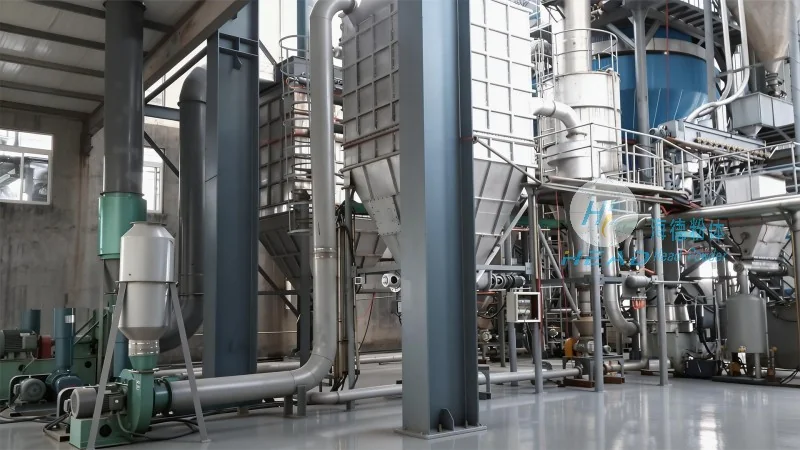
3. Control System: Modern maltose powder conveyors are equipped with advanced control systems that allow for precise regulation of the powder flow. These systems may include sensors to monitor the powder level in the hopper, pressure sensors in the conveying line, and variable frequency drives (VFDs) to adjust the speed of the conveyor based on demand. The control system ensures that the conveyor operates at optimal efficiency, minimizing energy consumption and preventing overloading or underloading.
4. Filter and Dust Collection System: As maltose powder is fine and can generate dust during handling, a filter and dust collection system is essential to maintain air quality and prevent dust from escaping into the environment. This system typically includes a cyclone separator or bag filter that captures the powder particles and returns them to the conveyor line, while releasing clean air back into the facility.
Design Principles for Efficient Maltose Powder Conveying
The design of a maltose powder conveyor is guided by several key principles to ensure it meets the specific requirements of maltose powder handling. These principles focus on minimizing product degradation, ensuring consistent flow, and maximizing operational reliability. Here are the main design considerations:
1. Gentle Material Handling: Maltose powder is a fine, hygroscopic material that can easily clump or degrade if subjected to excessive force or friction. Therefore, the conveyor design must prioritize gentle handling. Pneumatic systems are preferred because they use air to move the powder, reducing the risk of product damage compared to mechanical systems that may cause abrasion or compression.
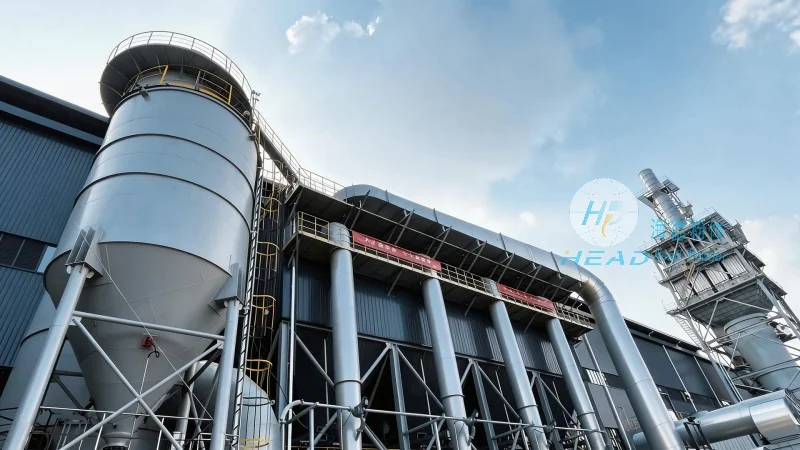
2. Prevention of Caking and Bridging: Caking, where powder particles stick together, and bridging, where powder forms a solid block in the hopper or conveyor line, are common issues in maltose powder handling. The design incorporates features such as hopper agitators, vibration systems, and air knives to prevent these problems. Agitators help break up clumps, while vibration helps maintain a uniform powder level, ensuring smooth flow.
3. Material Compatibility: The conveyor components must be compatible with maltose powder to avoid contamination. Stainless steel is the most common material for construction due to its corrosion resistance and ease of cleaning. The surfaces are often smooth and non-porous to prevent powder adhesion and facilitate cleaning. Additionally, the conveyor parts are designed to be easily disassembled for thorough cleaning, which is essential for maintaining product purity, especially in food and pharmaceutical applications.
4. Energy Efficiency: Modern maltose powder conveyors are designed with energy efficiency in mind. This includes using VFDs to adjust the conveyor speed based on the actual demand, reducing energy consumption during low-load periods. The system also minimizes air leakage and uses efficient filtration systems to reduce energy costs associated with air compression and dust removal.
Applications and Benefits of Maltose Powder Conveyors
Maltose powder conveyors are widely used in various industries due to their versatility and effectiveness. Some common applications include:
1. Food Processing: In the food industry, maltose powder is used as a sweetener and flavor enhancer in beverages, baked goods, and confectionery products. The conveyor system ensures that the powder is transported from storage to mixing and packaging equipment without any loss or contamination, maintaining the quality of the final product.
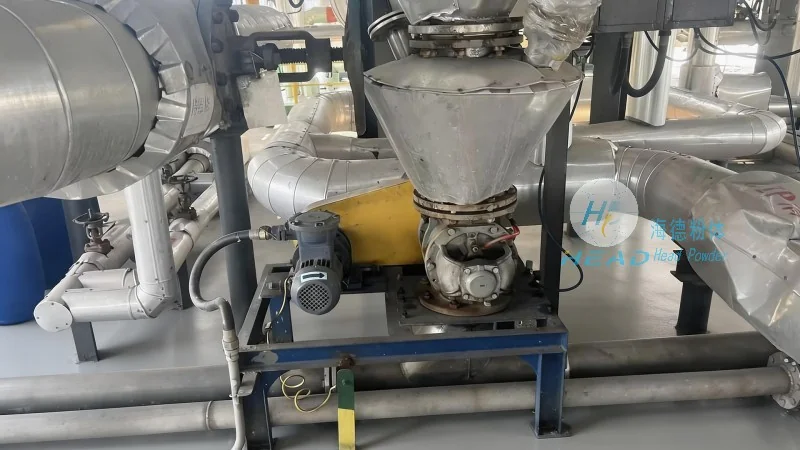
2. Pharmaceutical Manufacturing: In pharmaceuticals, maltose is used as a excipient in drug formulations. The conveyor system must meet stringent hygiene and purity standards, which is achieved through the use of stainless steel construction, closed systems, and thorough cleaning protocols. This ensures that the maltose powder is handled in a way that complies with regulatory requirements and maintains the integrity of the pharmaceutical product.
3. Chemical and Industrial Processing: Maltose powder is also used in chemical and industrial applications, such as in the production of adhesives, coatings, and other chemical products. The conveyor system provides a reliable method for transporting the powder to mixing and processing equipment, improving the efficiency of these operations.
By implementing a maltose powder conveyor, companies can enjoy several benefits, including improved production efficiency, reduced labor costs, enhanced product quality, and increased safety for operators. The automation of the powder handling process minimizes the risk of human error and ensures consistent performance, which is critical in industries where product consistency is paramount.
Conclusion
A maltose powder conveyor is a vital piece of equipment for any facility that processes maltose powder. Its design, incorporating specialized components and adhering to key principles, ensures that the powder is handled efficiently, safely, and with minimal degradation. By choosing a well-designed conveyor system from a reputable manufacturer like Shandong HeadPowder Engineering Co., Ltd., based in China, companies can enhance their operational capabilities and maintain high standards of product quality. The expertise and engineering capabilities of companies like HeadPowder provide tailored solutions that meet the specific needs of different industries, ensuring that maltose powder is transported effectively and reliably throughout the production process.