

What is Nanopowder Material Pneumatic Conveying? And What Are Its Design Principles?
HeadPowder, a leading provider in the field, offers insights into nanopowder material pneumatic conveying systems. This technology is crucial for efficiently transporting fine powders, such as those used in pharmaceuticals, electronics, and advanced materials. The core of this process involves using compressed air or gas to move particles through a pipeline, ensuring minimal product degradation and high transfer efficiency.
The Fundamental Principles of Pneumatic Conveying
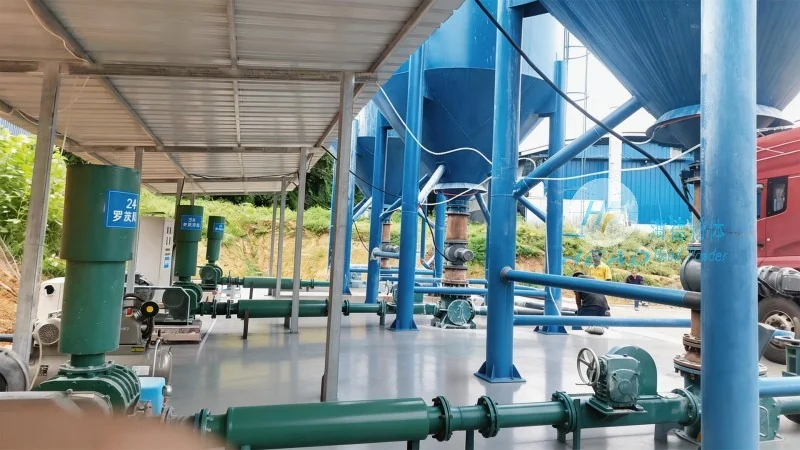
At its essence, pneumatic conveying uses air or gas as the medium to transport solid particles. The system typically consists of a hopper, a blower or compressor, a pipeline, and a receiver. The design must consider factors like particle size, density, and moisture content, as these affect the conveying velocity and pressure requirements. For nanopowders, which are often sensitive to handling, the system must be designed to minimize friction and impact, preventing agglomeration and maintaining particle integrity.
Key Design Considerations for Nanopowder Conveying Systems
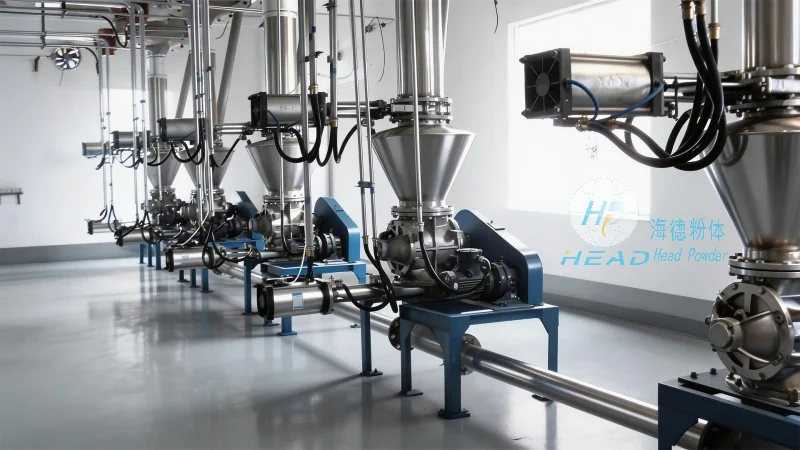
Designing an effective nanopowder pneumatic conveying system requires careful attention to several critical aspects. First, the selection of the conveying method—whether it’s dilute phase (where particles are suspended in the air stream) or dense phase (where particles are more concentrated)—depends on the material’s properties and the distance to be conveyed. Dilute phase systems are suitable for longer distances and lower particle concentrations, while dense phase systems are better for short distances and high product value. The blower or compressor must be sized appropriately to provide the necessary pressure and airflow, ensuring stable operation without causing excessive wear on components.
Material Handling and Particle Integrity
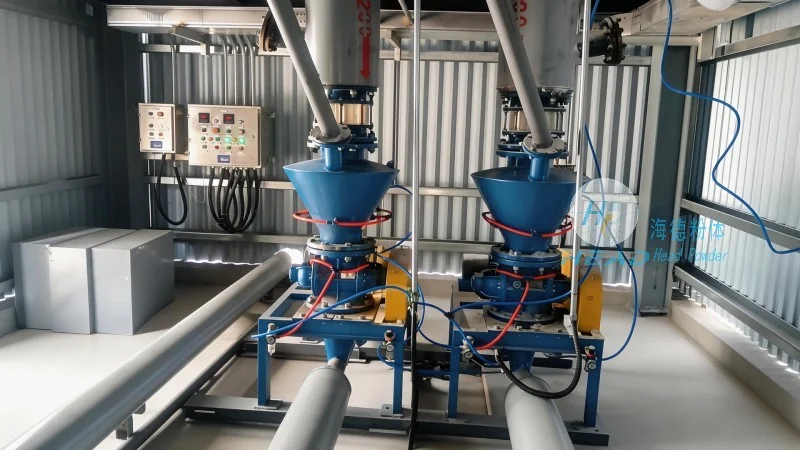
One of the primary challenges in nanopowder handling is maintaining particle integrity. Nanoparticles are prone to agglomeration, which can lead to blockages and reduced conveying efficiency. To address this, the system incorporates features like in-line mixers, cyclones for separation, and gentle material flow control. The pipeline design, including the use of smooth, corrosion-resistant materials (such as stainless steel or PTFE-lined components), minimizes friction and prevents particle degradation. Additionally, the inclusion of filters and dust collection systems ensures that the material remains clean and free from contaminants, which is essential for applications in pharmaceuticals and electronics.
Application-Specific Design and Customization
HeadPowder recognizes that each application has unique requirements. Therefore, their design approach is highly customizable. For example, in pharmaceutical manufacturing, where product purity is paramount, the system may include additional filtration and sterilization steps. In electronics, where particle size and uniformity are critical, the conveying velocity and pressure are precisely controlled to prevent particle breakage. The company’s engineers work closely with clients to understand their specific needs, from the type of nanopowder to the desired output rate, and develop a tailored solution that meets all operational and regulatory standards.
Efficiency and Maintenance in Nanopowder Conveying
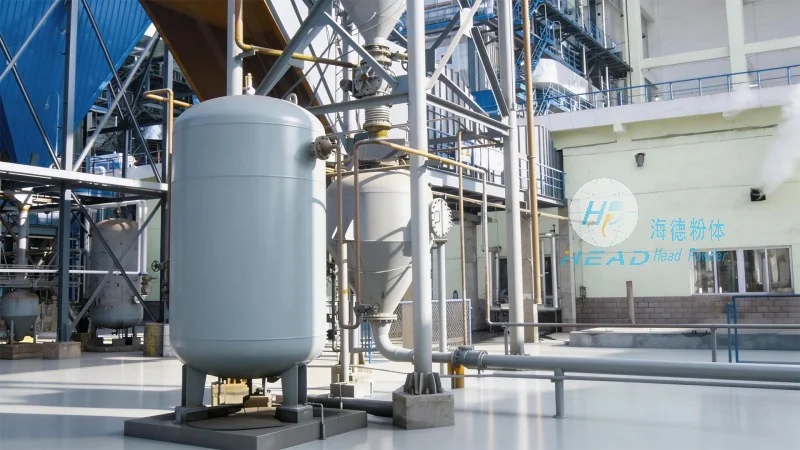
Efficiency is a key consideration in any pneumatic conveying system, and this is especially true for nanopowders. The system must balance energy consumption with transfer capacity, ensuring that the operation is cost-effective while maintaining high performance. Regular maintenance is also critical to prevent system downtime. HeadPowder recommends routine checks of the blower, pipeline, and filter systems, as well as periodic cleaning of components to remove accumulated powder. By implementing these maintenance practices, the system can operate reliably for extended periods, reducing the risk of failures and ensuring consistent product quality.