

What is Lithium Oxalate Material Pneumatic Conveying? And What Are Its Design Principles?
Lithium oxalate is a critical material in modern battery technology, particularly for lithium-ion batteries used in electric vehicles and renewable energy storage systems. Efficient material handling is essential for the production process, and pneumatic conveying offers a solution that combines safety, speed, and precision. This article explores the concept of lithium oxalate material pneumatic conveying and the underlying design principles that ensure effective and reliable operation.
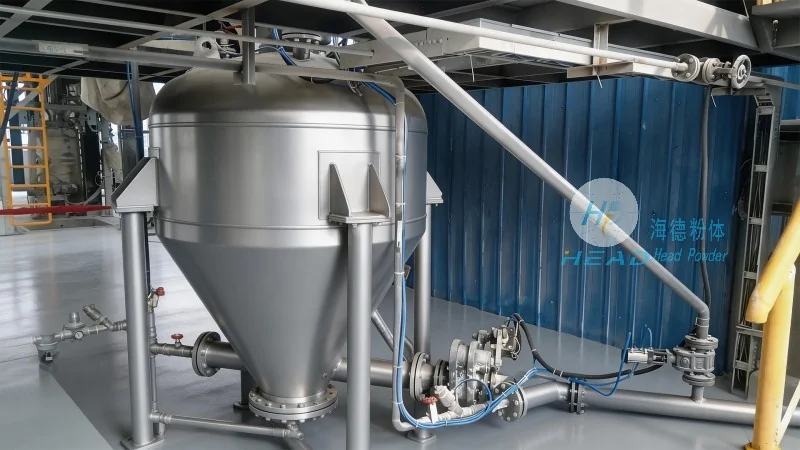
HeadPowder Engineering: Expertise in Pneumatic Conveying Systems
Shandong HeadPowder Engineering Co., Ltd., a leading provider of material handling solutions, specializes in designing and implementing pneumatic conveying systems tailored to the unique requirements of lithium oxalate and other fine powders. With years of experience in the industry, HeadPowder has developed a deep understanding of the challenges associated with handling such materials, including their hygroscopic nature and sensitivity to moisture and contamination. The company’s team of engineers and technicians works closely with clients to assess their specific needs, from raw material transport to finished product delivery, ensuring that the final system meets all operational and regulatory standards.
Understanding Pneumatic Conveying for Lithium Oxalate
Pneumatic conveying involves the use of pressurized air or vacuum to transport bulk materials through a pipeline. For lithium oxalate, which is typically a fine powder with a specific particle size distribution, the choice of conveying method—whether dense phase or dilute phase—depends on factors such as material properties, required transport distance, and system capacity. Dense phase conveying, for example, uses lower air velocities to minimize particle degradation and ensure gentle handling, which is crucial for maintaining the material’s quality and performance. Dilute phase systems, on the other hand, are more suitable for longer distances and higher throughput, though they may require more energy and careful control to prevent particle segregation or clogging.
Key Design Principles for Lithium Oxalate Pneumatic Conveying Systems
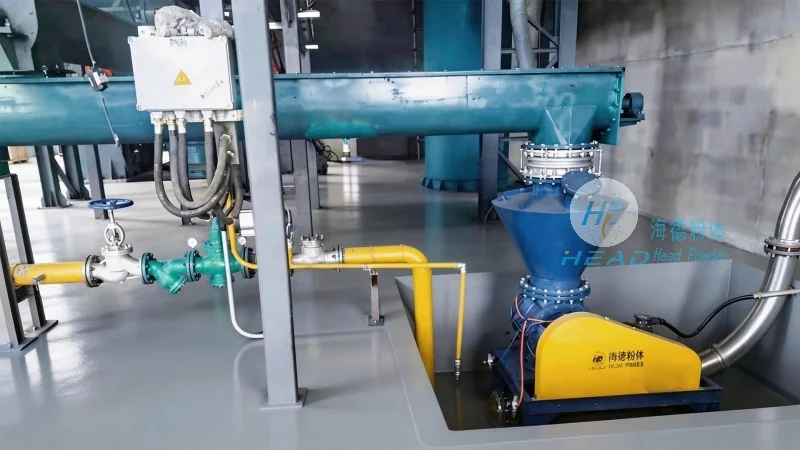
The design of a pneumatic conveying system for lithium oxalate must consider several critical factors to ensure optimal performance and longevity. First, the system must be designed to handle the material’s hygroscopic properties, which can lead to clumping or caking if exposed to moisture. This often involves incorporating drying or moisture control mechanisms, such as desiccant units or heated air, to maintain the material’s dryness throughout the conveying process. Second, the pipeline design is crucial; smooth, corrosion-resistant materials like stainless steel or PTFE are commonly used to prevent material buildup and ensure consistent flow. The pipeline layout, including the number and placement of bends, expansion joints, and filters, is also carefully optimized to minimize pressure drop and prevent particle degradation. Third, the air handling system, including the blower or vacuum pump, must be sized appropriately to provide sufficient pressure or vacuum while maintaining energy efficiency. The selection of the right air velocity is critical, as too high a velocity can cause particle attrition and equipment wear, while too low a velocity may lead to clogging or uneven flow.
System Components and Their Role in Lithium Oxalate Conveying
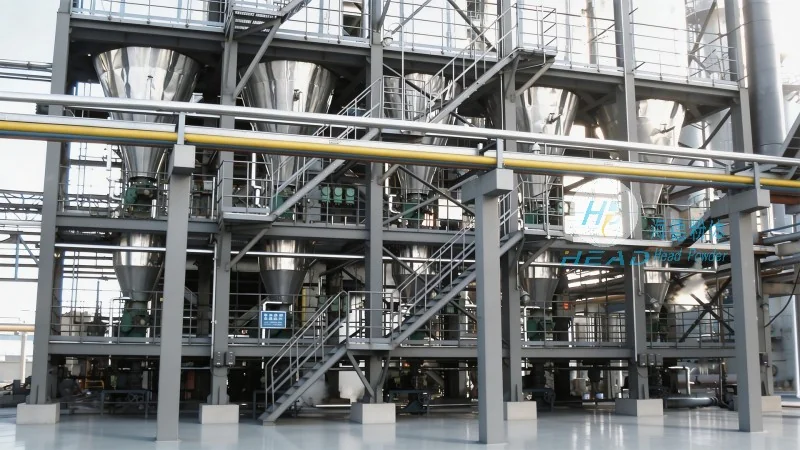
A typical lithium oxalate pneumatic conveying system consists of several key components, each playing a vital role in the overall operation. The feed hopper is the starting point, where the material is stored and fed into the system. It often includes a rotary valve or feeder to control the flow rate and prevent material bridging. The air supply system, which may include a blower, compressor, or vacuum pump, provides the necessary pressure or vacuum to move the material through the pipeline. The pipeline itself, as mentioned earlier, is designed with smooth, corrosion-resistant materials and appropriate bends to ensure efficient transport. Filters are used to remove any fine particles or dust from the air stream, protecting downstream equipment and maintaining air quality. Finally, the discharge hopper or receiver collects the conveyed material, where it is stored or further processed. Each component must be carefully selected and integrated to ensure that the system operates smoothly and reliably, with minimal downtime or maintenance.
Benefits and Considerations of Lithium Oxalate Pneumatic Conveying
Implementing a pneumatic conveying system for lithium oxalate offers several advantages, including improved safety, reduced labor costs, and increased production efficiency. Unlike traditional bulk handling methods, such as bucket elevators or belt conveyors, pneumatic systems eliminate the need for manual handling of powders, reducing the risk of dust exposure and material contamination. They also allow for flexible system layouts, as the pipeline can be routed around obstacles or integrated into existing production lines. However, there are also considerations to keep in mind, such as the need for regular maintenance of filters and air handling equipment, and the potential for higher energy consumption compared to other methods. Additionally, the system must be designed to handle the material’s sensitivity to moisture and temperature changes, as these factors can significantly impact its performance and shelf life.