

What is the Pneumatic Conveying of Calcium Lime Material? What are the Design Principles?
Caustic lime, also known as quicklime or calcium oxide, is a widely used industrial material in various sectors such as construction, chemical manufacturing, and environmental treatment. The efficient and reliable transportation of this material from storage to processing units is crucial for maintaining production efficiency and safety. Pneumatic conveying technology offers a solution to this challenge by enabling the movement of calcium lime material through a pipeline system using air or other gas as the conveying medium. This article explores the concept of pneumatic conveying for calcium lime material and delves into the fundamental design principles that underpin its successful implementation.
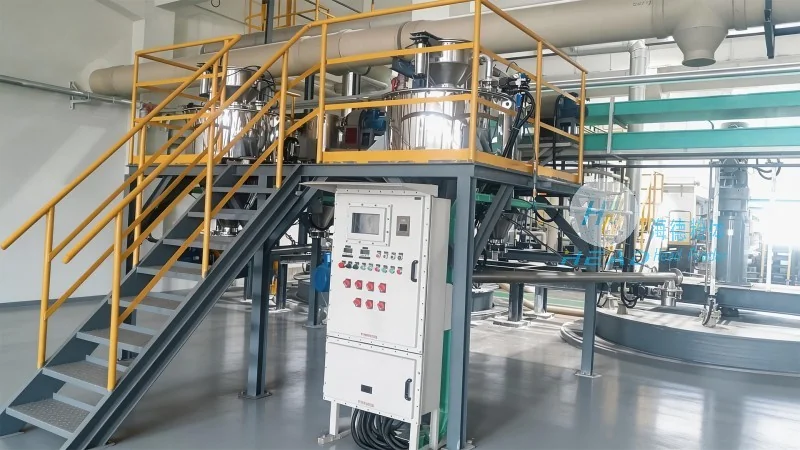
Understanding Pneumatic Conveying of Calcium Lime Material
Pneumatic conveying involves the transport of bulk materials like calcium lime through a sealed pipeline system by utilizing the pressure or velocity of a gas stream. Unlike mechanical conveying methods that rely on moving components such as belts or screws, pneumatic systems use air or other gases to push or pull the material along the pipeline. This method is particularly advantageous for calcium lime due to its dusty nature and the need for controlled handling to prevent dust dispersion and ensure environmental compliance.
Key Design Principles for Pneumatic Conveying Systems
The design of a pneumatic conveying system for calcium lime material requires careful consideration of several critical factors to ensure optimal performance, efficiency, and safety. These principles include:
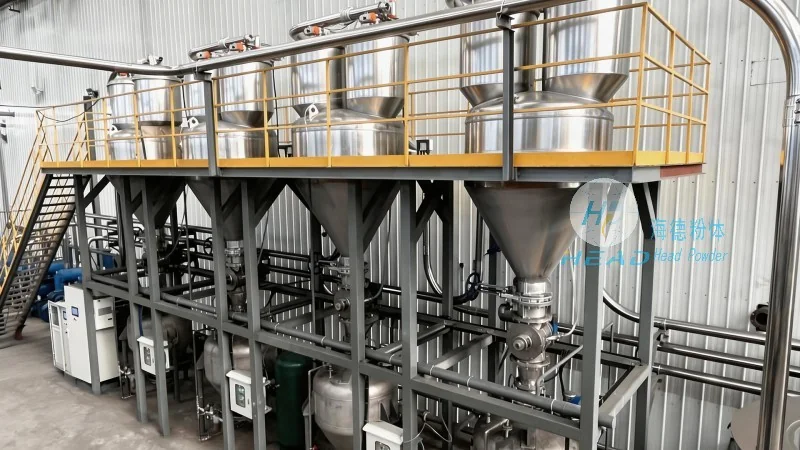
1. **Material Characteristics and Flow Properties**: The physical properties of calcium lime, such as its particle size distribution, density, and flowability, directly impact the selection of the conveying system type. For example, fine or powdery lime may require a high-velocity system to prevent clogging, while larger particles might benefit from a low-velocity or dense-phase system. Understanding these characteristics helps in choosing the appropriate air velocity and pressure levels.
2. **System Configuration and Layout**: The layout of the conveying system, including the number of bends, vertical and horizontal runs, and the placement of feeding and discharge points, is essential for maintaining consistent material flow. Properly designed bends and elbows minimize pressure losses and prevent material deposition, which can lead to blockages. The system layout must also consider the overall plant layout and space constraints to ensure smooth integration with existing infrastructure.
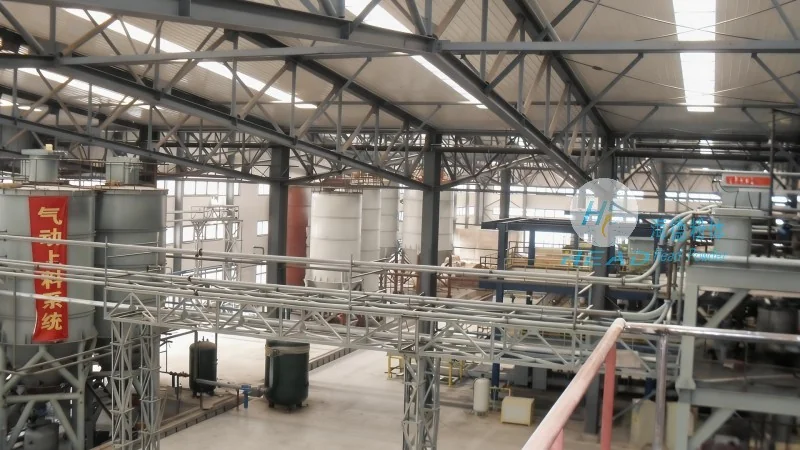
3. **Air Supply and Pressure Management**: The air supply system, including the compressor, filters, and pressure regulators, plays a vital role in the conveying process. The pressure and flow rate of the air must be sufficient to overcome the resistance in the pipeline and lift the material vertically if required. For calcium lime, which can be abrasive, the air system components need to be robust and resistant to wear and corrosion. Proper pressure management also helps in controlling dust emissions and maintaining the material's quality during transport.
4. **Material Handling and Conditioning**: Before entering the conveying pipeline, calcium lime may require conditioning to improve its flow characteristics. This can include pre-drying to reduce moisture content, which can affect the material's density and flowability. Conditioning equipment such as pre-heaters or classifiers may be integrated into the system to enhance the conveying efficiency and prevent blockages caused by agglomerates or moisture.
HeadPowder's Expertise in Pneumatic Conveying Solutions
Shandong HeadPowder Engineering Co., Ltd., a leading provider of bulk material handling solutions, specializes in designing and manufacturing pneumatic conveying systems tailored to the unique needs of calcium lime material. With years of experience in the industry, HeadPowder understands the challenges associated with handling caustic lime and has developed advanced solutions to address them. The company's team of engineers leverages cutting-edge technology and industry best practices to design systems that are efficient, reliable, and safe.
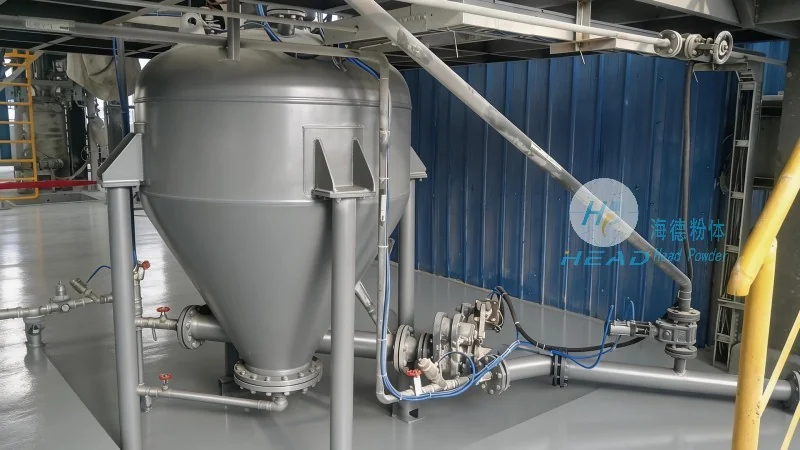
HeadPowder's approach to pneumatic conveying design involves a comprehensive analysis of the client's specific requirements, including the material characteristics, production capacity, and operational constraints. By working closely with clients, the company ensures that the final system meets all performance and safety standards. The company's commitment to quality is evident in its use of high-grade materials and rigorous testing procedures to ensure the longevity and reliability of its conveying systems.
Conclusion
Pneumatic conveying of calcium lime material is a sophisticated process that requires a deep understanding of material properties, system design, and operational parameters. By adhering to the fundamental design principles outlined above, and leveraging the expertise of companies like Shandong HeadPowder Engineering Co., Ltd., industrial facilities can achieve efficient and safe transportation of this critical material. The continuous improvement in pneumatic conveying technology ensures that calcium lime material can be handled with minimal environmental impact and maximum operational efficiency, supporting the growth and sustainability of various industries.