When it comes to efficiently transporting bulk materials like fertilizers, pneumatic conveying systems offer a reliable and effective solution. This technology involves the movement of solid particles through a pipeline using a gas stream, typically air or a combination of air and other gases. For industries dealing with fertilizer materials, understanding the fundamentals of pneumatic conveying and its design principles is crucial for optimizing operations and ensuring safety and efficiency.
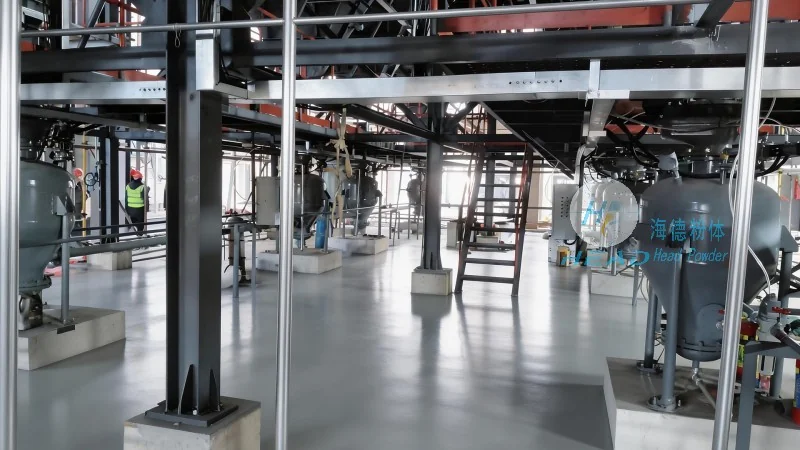
Pneumatic Conveying Systems: An Overview
Pneumatic conveying systems are designed to transport bulk materials from one location to another without the need for mechanical components like belts or buckets. Instead, they rely on the force generated by a moving gas stream to move the material through a network of pipes. These systems are widely used in the fertilizer industry due to their ability to handle abrasive and corrosive materials while maintaining low maintenance costs and high throughput rates.
Key Components of a Pneumatic Conveying System
At the core of any pneumatic conveying system are several key components that work together to ensure smooth material transport. These include the material feed hopper, which holds the fertilizer and feeds it into the system; the conveyor itself, which consists of a pipeline where the material is carried by the gas stream; the air compressor or blower, which provides the necessary pressure and flow rate; and the control system, which regulates the operation of the entire system. Additionally, components such as filters, cyclones, and dust collectors are often included to manage air quality and prevent material buildup.
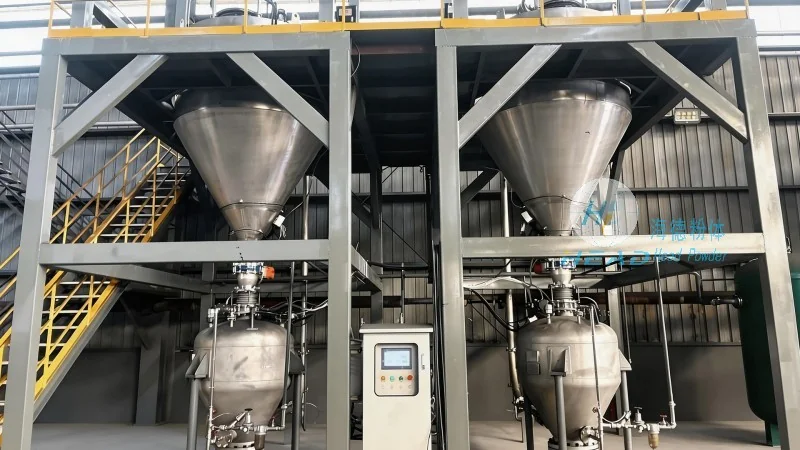
How Pneumatic Conveying Works: The Basic Principle
The fundamental principle of pneumatic conveying is based on the interaction between the gas stream and the solid particles. When air is forced through the pipeline at a sufficient velocity, it creates a drag force that lifts and transports the fertilizer particles. The velocity of the gas must be high enough to overcome the gravitational force acting on the particles and any friction within the system. This process can be either positive pressure or negative pressure, depending on the system design and application requirements.
Design Principles for Fertilizer Material Pneumatic Conveying
Designing an effective pneumatic conveying system for fertilizer materials requires careful consideration of several factors to ensure optimal performance. First, the material characteristics, such as particle size, density, and moisture content, play a critical role in determining the appropriate conveying velocity and pressure. Larger or denser particles may require higher velocities and pressures to ensure reliable transport. Second, the system layout and pipeline configuration are crucial. The length and diameter of the pipeline, as well as the number of bends and fittings, can significantly impact the system's efficiency and energy consumption. Third, the selection of the air compressor or blower is essential. The right equipment must provide the necessary pressure and flow rate while minimizing energy costs. Finally, the inclusion of proper control and monitoring systems is vital for maintaining system stability and preventing issues like blockages or excessive pressure drops.
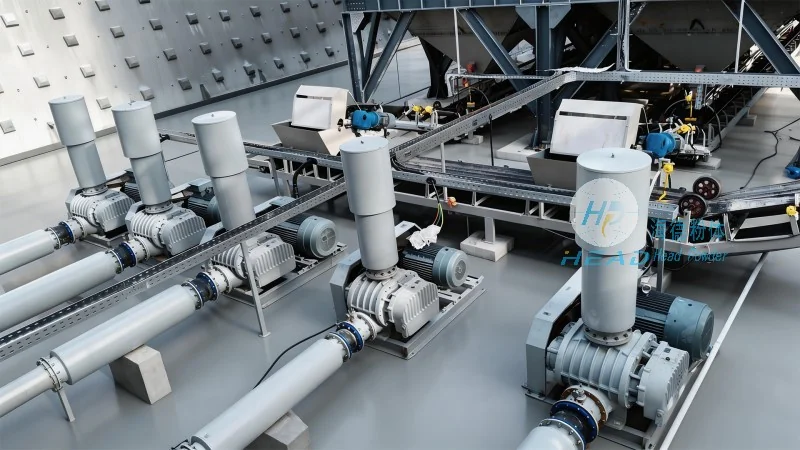
Applications in the Fertilizer Industry
Pneumatic conveying systems are widely used in the fertilizer industry for various applications, including the transport of raw materials from storage silos to processing plants, the movement of finished products from production lines to packaging facilities, and the transfer of materials between different processing stages. These systems are particularly advantageous in environments where mechanical conveying systems may be impractical or inefficient, such as in areas with limited space or where the material is highly abrasive or corrosive.
HeadPowder: Expert in Fertilizer Material Pneumatic Conveying Solutions
Shandong HeadPowder Engineering Co., Ltd., a leading manufacturer of pneumatic conveying equipment, specializes in providing customized solutions for the fertilizer industry. With years of experience and a deep understanding of material handling technologies, HeadPowder designs and manufactures high-quality pneumatic conveying systems tailored to the specific needs of fertilizer manufacturers. The company is headquartered in Shandong, China, and has established a strong reputation for its durable, efficient, and reliable products. HeadPowder's commitment to quality and customer satisfaction has made it a trusted partner for many fertilizer companies in China and globally.




