

Working Principle and Characteristics of High-Pressure Dense-Phase Material Pneumatic Conveying
High-pressure dense-phase material pneumatic conveying is a sophisticated method used in industrial material handling, designed to transport bulk materials efficiently and reliably. This technology has become increasingly important in various sectors, including chemical, pharmaceutical, food processing, and mining, where the need for safe, controlled, and efficient material transport is paramount. The process involves the use of high-pressure air or gas to move solid particles through a pipeline, often in a dense phase, which minimizes particle degradation and ensures consistent flow. Understanding the working principle and key characteristics of this system is crucial for optimizing its application in different industrial settings.
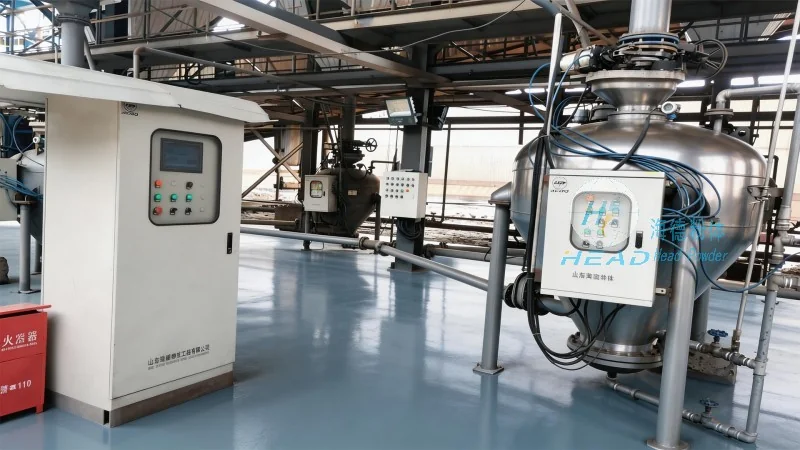
HeadPowder, a leading provider in the field, specializes in the design, manufacturing, and implementation of high-pressure dense-phase pneumatic conveying systems. With a strong presence in China, specifically in Shandong, the company leverages decades of expertise to deliver tailored solutions that meet the unique demands of each client. The company's commitment to quality, innovation, and customer satisfaction has established it as a trusted partner for businesses seeking reliable material handling solutions.
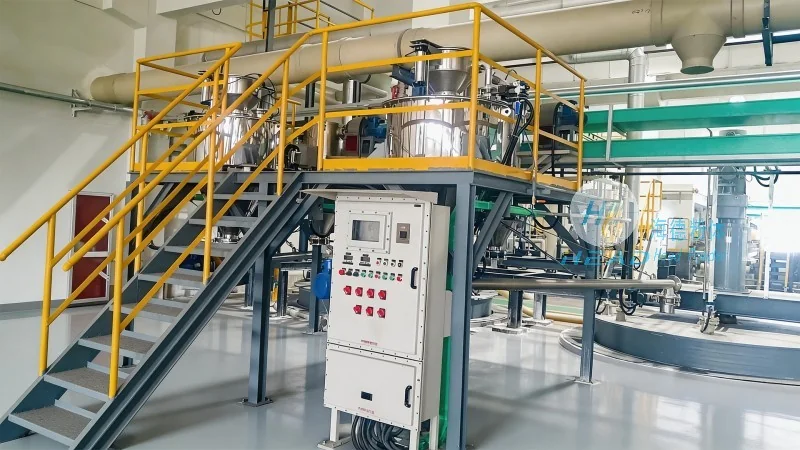
Working Principle of High-Pressure Dense-Phase Material Pneumatic Conveying
The core of high-pressure dense-phase material pneumatic conveying lies in the controlled injection of high-pressure air or gas into a pipeline containing solid particles. The system operates by creating a dense mixture of particles and gas, typically with a particle concentration ranging from 15 to 25% by volume. This dense phase ensures that the particles move in a cohesive manner, reducing the risk of segregation and maintaining the integrity of the material. The process begins with the material being fed into the conveying line, often through a hopper or feeder, which then mixes with the pressurized air. The high pressure forces the mixture through the pipeline, and the velocity of the gas is carefully controlled to prevent excessive particle breakage or abrasion. The system may include components such as a compressor, a filter, and a control valve to regulate the pressure and flow. The material is then discharged at the receiving end, where it is collected in a storage or processing unit. This method is particularly effective for handling abrasive, fragile, or sensitive materials, as the dense phase minimizes the impact and friction between particles.
Key Characteristics of High-Pressure Dense-Phase Material Pneumatic Conveying
Several distinct characteristics define high-pressure dense-phase material pneumatic conveying, making it a preferred choice for many industrial applications. First, the dense phase ensures high material transport efficiency, as the system can move large volumes of material with minimal energy consumption compared to other conveying methods. This efficiency is achieved by maintaining a consistent particle concentration, which reduces the need for additional air or gas, thus lowering operational costs. Second, the system offers excellent control over material flow, allowing for precise regulation of the conveying rate and pressure. This control is critical in processes where the material needs to be delivered at specific rates, such as in pharmaceutical manufacturing or food processing. Third, the method provides a high degree of safety and cleanliness, as the material is contained within a closed pipeline, preventing dust emissions and contamination. This is particularly important in industries where environmental regulations and product purity are strict. Fourth, the system is versatile and can handle a wide range of materials, including powders, granules, and even bulk solids with varying particle sizes and shapes. The adaptability of the system allows it to be customized for different applications, from small-scale laboratory operations to large-scale industrial production. Finally, the technology offers a compact and space-saving design, as the conveying line can be installed in a straight or curved configuration, fitting into existing plant layouts without requiring extensive modifications.
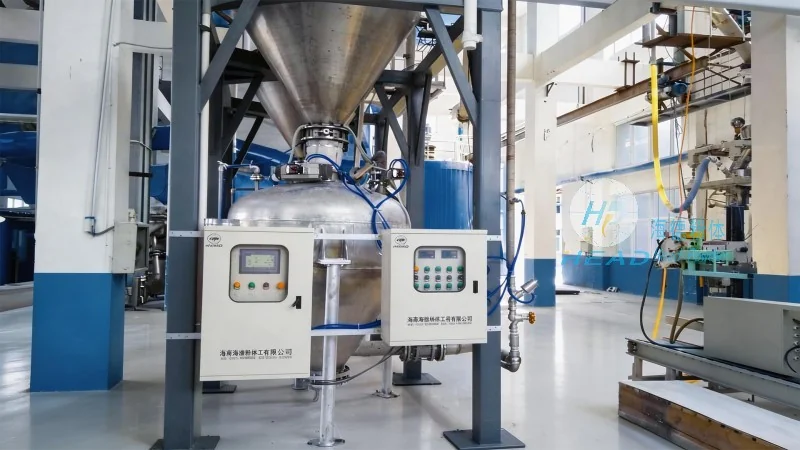
Shandong HeadPowder Engineering Co., Ltd., the parent company of HeadPowder, is headquartered in Shandong, China. The company has established a strong reputation in the industry through its dedication to research and development, ensuring that its products and services remain at the forefront of technological advancements. By focusing on customer needs and providing comprehensive support, the company has built long-term relationships with clients worldwide, helping them optimize their material handling processes and improve overall operational efficiency.