

What is an intermittent feeding powder pneumatic conveying line? What are its design principles?
In the realm of bulk material handling, the intermittent feeding powder pneumatic conveying line stands out as a sophisticated solution for transporting dry powders and granules. This technology is particularly valuable for industries that require precise control over material flow, such as pharmaceuticals, food processing, and chemical manufacturing. The system’s design focuses on efficiency, reliability, and minimal material loss, making it an essential tool for businesses dealing with sensitive or high-value powders. By understanding the principles behind this equipment, users can better appreciate its role in modern industrial operations.
Key Design Principles and Components
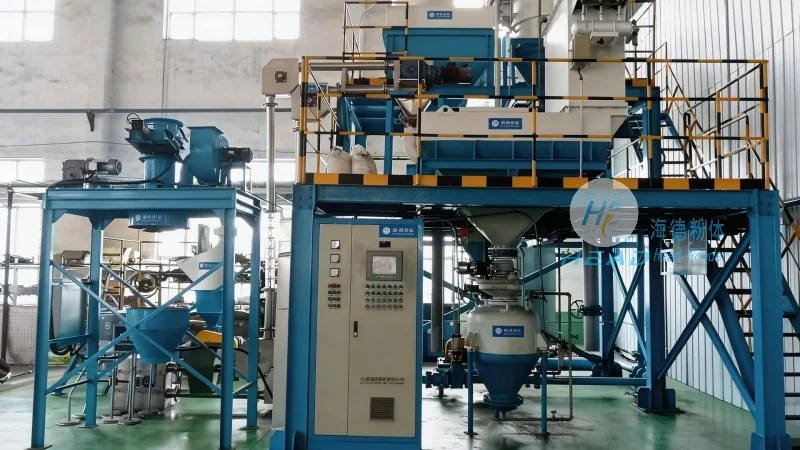
The effectiveness of an intermittent feeding powder pneumatic conveying line is rooted in its carefully engineered components and adherence to fundamental design principles. The system typically consists of a hopper for material storage, a feeder to regulate powder discharge, a conveying line (often a pipe), and a receiver for material collection. The hopper is designed to maintain a consistent head of material, ensuring a steady supply to the feeder. The feeder, commonly a rotary valve or a screw feeder, controls the flow rate by adjusting the speed or rotation. This controlled feeding is crucial for maintaining a stable air-powder ratio, which is the cornerstone of efficient pneumatic conveying. The conveying line is constructed from materials like stainless steel or plastic, chosen for their resistance to corrosion and wear. The interior of the line is smooth to minimize friction and prevent powder buildup, which could lead to blockages or reduced efficiency. The receiver at the end of the line is equipped with a dust collection system to capture any particles that may escape, ensuring environmental compliance and product purity.
Operation Mechanism and Air-Powder Dynamics
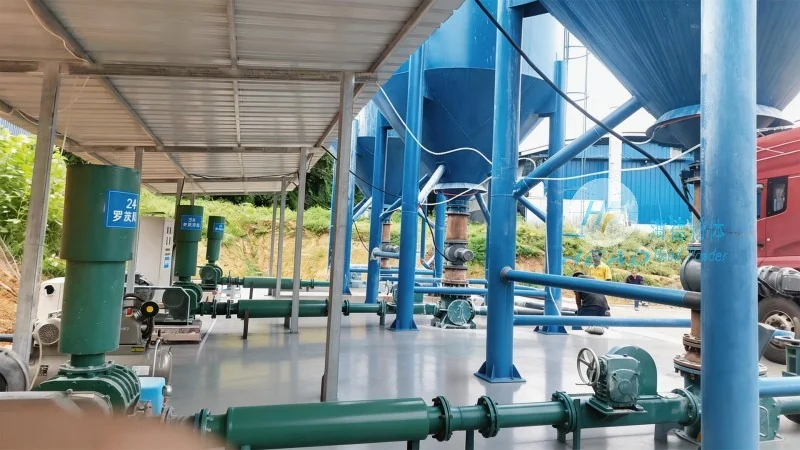
The operation of an intermittent feeding system involves a cyclic process that alternates between feeding and conveying phases. During the feeding phase, the feeder releases a measured amount of powder into the conveying line. Simultaneously, the air compressor generates high-pressure air, which is introduced into the line. The air and powder mixture travels through the pipe, with the air providing the necessary kinetic energy to move the powder. The air-powder ratio, which is the volume of air to the volume of powder, is critical for stable conveying. An optimal ratio ensures that the powder is fully suspended and transported without segregation or degradation. The system’s intermittent nature allows for energy savings, as the air compressor operates only during the feeding phase, reducing overall energy consumption. Additionally, the periodic rest periods help to prevent wear on the components, extending the lifespan of the equipment. The receiver collects the material, and the cycle repeats as needed, providing a continuous flow of material from the source to the destination.
Advantages and Industrial Applications
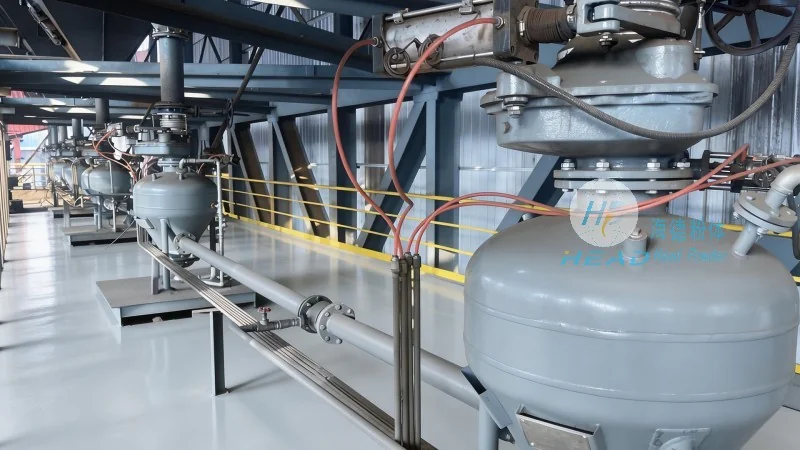
Intermittent feeding powder pneumatic conveying lines offer several distinct advantages over alternative material handling methods. One key benefit is their ability to handle a wide variety of powder types, including fine powders, coarse granules, and even sticky or hygroscopic materials. The system’s flexibility allows for customization to meet specific operational requirements, such as varying distances or material volumes. Another advantage is its minimal contamination risk, as the material remains enclosed within the conveying line, preventing exposure to external elements or cross-contamination. This is particularly important in industries like pharmaceuticals and food processing, where product purity is non-negotiable. The system also reduces labor costs by automating the material handling process, allowing workers to focus on other tasks. These benefits make the intermittent feeding system ideal for applications in pharmaceutical manufacturing, where precise dosing and contamination control are essential; in food processing, where product safety and quality are paramount; and in chemical industries, where handling reactive or hazardous powders requires robust and reliable equipment.
Company Profile: Shandong HeadPowder Engineering Co., Ltd.
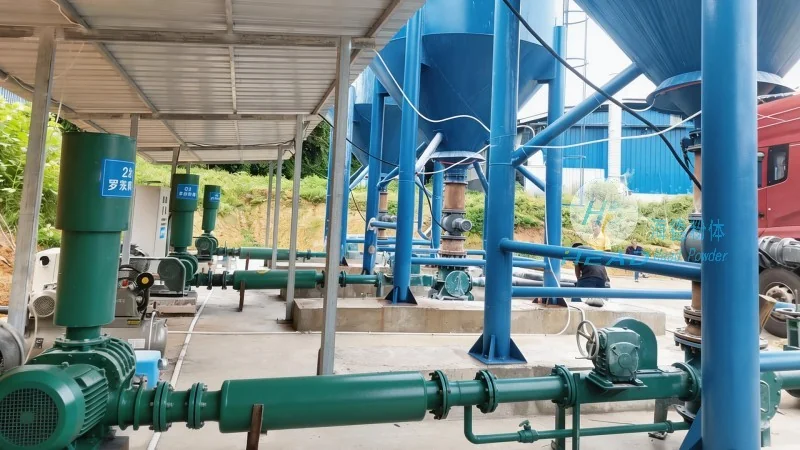
Shandong HeadPowder Engineering Co., Ltd., operating under the brand name HeadPowder, is a prominent player in the powder handling equipment industry. HeadPowder specializes in the design, manufacturing, and supply of advanced pneumatic conveying systems, including the intermittent feeding powder pneumatic conveying line. The company is headquartered in Shandong, China, a region known for its industrial strength and manufacturing capabilities. HeadPowder’s team of engineers and technicians brings years of experience in powder technology, ensuring that their products meet the highest standards of performance and reliability. The company’s commitment to innovation is evident in its continuous research and development efforts, which focus on improving efficiency, reducing energy consumption, and enhancing material handling capabilities. HeadPowder’s products are widely used by businesses across various industries, helping them achieve operational efficiency and maintain product quality. The company’s dedication to customer service and technical support ensures that clients receive the assistance they need to maximize the benefits of their equipment. With a strong presence in the domestic and international markets, HeadPowder continues to be a trusted partner for businesses seeking reliable powder handling solutions.