

What is the Pneumatic Conveying of Barium Carbonate Material? What Are the Design Principles?
Barium carbonate is a widely used chemical compound in various industrial applications, and its efficient handling and transportation are crucial for maintaining production efficiency and product quality. Pneumatic conveying is a common method for transporting such materials, and understanding the design principles behind it is essential for optimizing material flow and minimizing operational challenges.
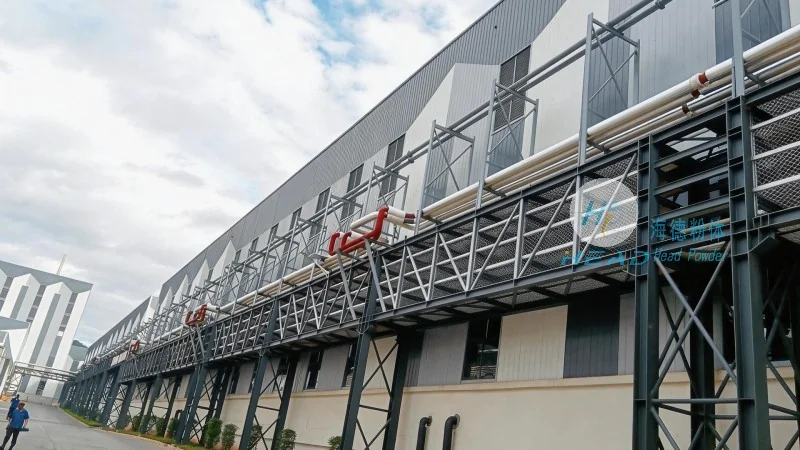
Pneumatic Conveying Basics for Barium Carbonate
Pneumatic conveying involves the use of air or other gases to transport solid materials through a pipeline system. For barium carbonate, which is typically a fine powder or granular material, this method offers advantages such as reduced dust generation, improved safety, and the ability to handle materials in a closed system. The core of pneumatic conveying is the balance between the air velocity and the material's properties, ensuring that the material is suspended and transported effectively without clogging or degradation.
Key Design Principles for Barium Carbonate Pneumatic Conveying Systems
Designing an effective pneumatic conveying system for barium carbonate requires careful consideration of several key factors. First, the material's physical properties, including particle size, density, and flowability, must be thoroughly analyzed. These characteristics determine the appropriate air velocity and pressure levels needed to achieve reliable transport. For barium carbonate, which often has a relatively low bulk density and can be prone to agglomeration, specialized equipment such as rotary valves, feeders, and in-line mixers may be necessary to ensure consistent material feeding and prevent blockages.
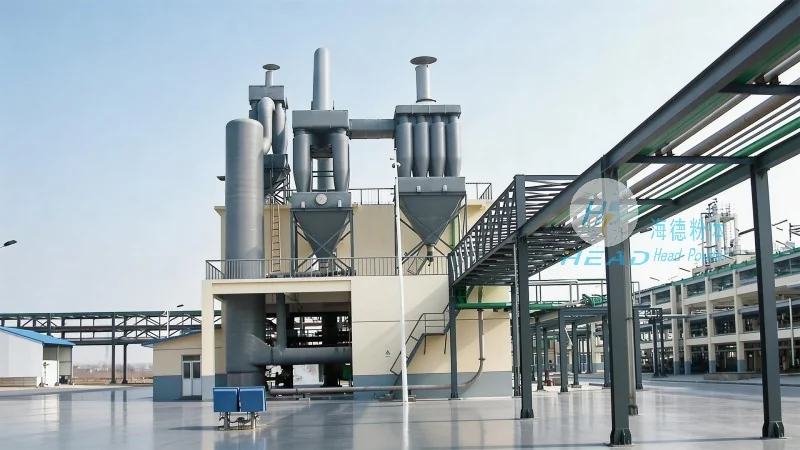
Second, the system's layout and configuration play a critical role in its performance. The design must account for the material's flow characteristics, ensuring that the pipeline is sized appropriately to handle the material's velocity and pressure requirements. Additionally, the inclusion of features like expansion joints, filters, and dust collectors is essential to maintain system integrity and protect downstream equipment from contamination. For barium carbonate, which can be sensitive to moisture or temperature changes, proper sealing and temperature control are also important design considerations.
Components and Equipment in Barium Carbonate Pneumatic Conveying Systems
Effective pneumatic conveying of barium carbonate relies on a combination of specialized components and equipment. At the feed end, a rotary valve or feeder is typically used to control the material flow rate and ensure a consistent supply to the conveying line. These devices are designed to handle fine powders and prevent material buildup, which can lead to clogging. The conveying line itself is usually made of materials resistant to the chemical properties of barium carbonate, such as stainless steel or specialized plastics, to avoid corrosion or material degradation.
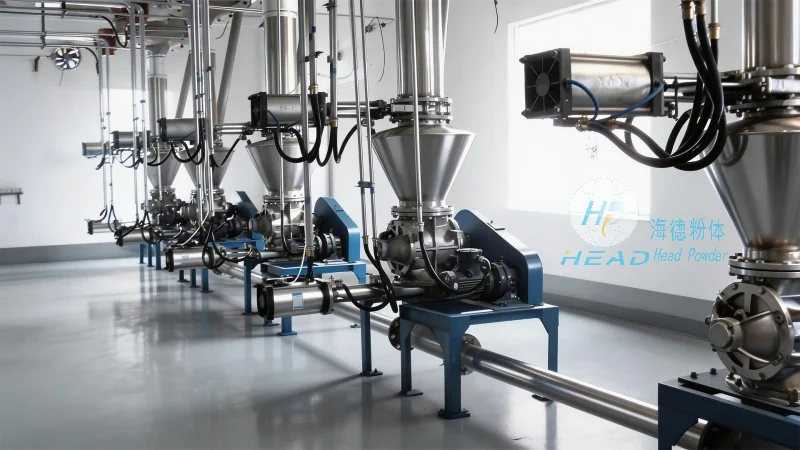
Along the pipeline, in-line mixers or agitators may be installed to maintain the material's suspension and prevent settling or bridging. These components help ensure that the material remains in a fluidized state, allowing for smooth transport. At the discharge end, a receiver or hopper is used to collect the material, and often, a rotary valve or gate valve is employed to control the discharge rate. The system may also include filters or cyclones to separate any entrained air or fine particles from the material, ensuring that the delivered product is clean and free from contamination.
Operational Considerations and Maintenance for Barium Carbonate Pneumatic Conveying
Once the pneumatic conveying system is designed and installed, proper operation and maintenance are crucial for long-term performance and reliability. Regular monitoring of air pressure, flow rates, and material levels is essential to detect any issues early and prevent system failures. For barium carbonate, which can be prone to moisture absorption or caking, routine cleaning and maintenance of the conveying line and equipment are necessary to prevent blockages and ensure consistent material flow.
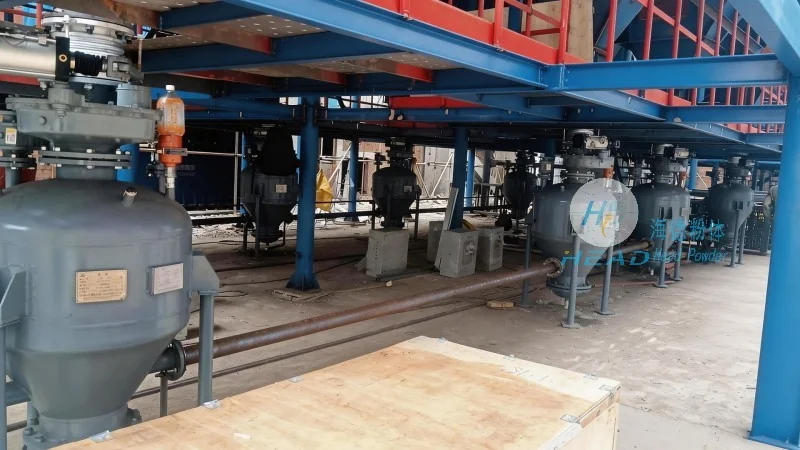
Additionally, the system's control mechanisms, such as variable frequency drives (VFDs) for air compressors and automated feeding systems, can enhance operational efficiency and reduce energy consumption. Proper training of operators on the system's operation and maintenance procedures is also important to ensure that the equipment is used correctly and that any issues are addressed promptly. By following these operational guidelines, the pneumatic conveying system for barium carbonate can operate efficiently, minimizing downtime and maximizing productivity.
Conclusion: Optimizing Barium Carbonate Handling with Pneumatic Conveying
In conclusion, pneumatic conveying is a highly effective method for transporting barium carbonate materials, and understanding the design principles behind it is key to optimizing system performance. By carefully considering the material's physical properties, system layout, and specialized equipment, engineers can design a reliable and efficient conveying system that meets the specific needs of industrial applications. Proper operation and maintenance are also essential to ensure long-term system reliability and minimize operational challenges. As a leading provider in the field, Shandong HeadPowder Engineering Co., Ltd. specializes in the design and implementation of such systems, leveraging years of experience to deliver solutions tailored to the unique requirements of barium carbonate handling.